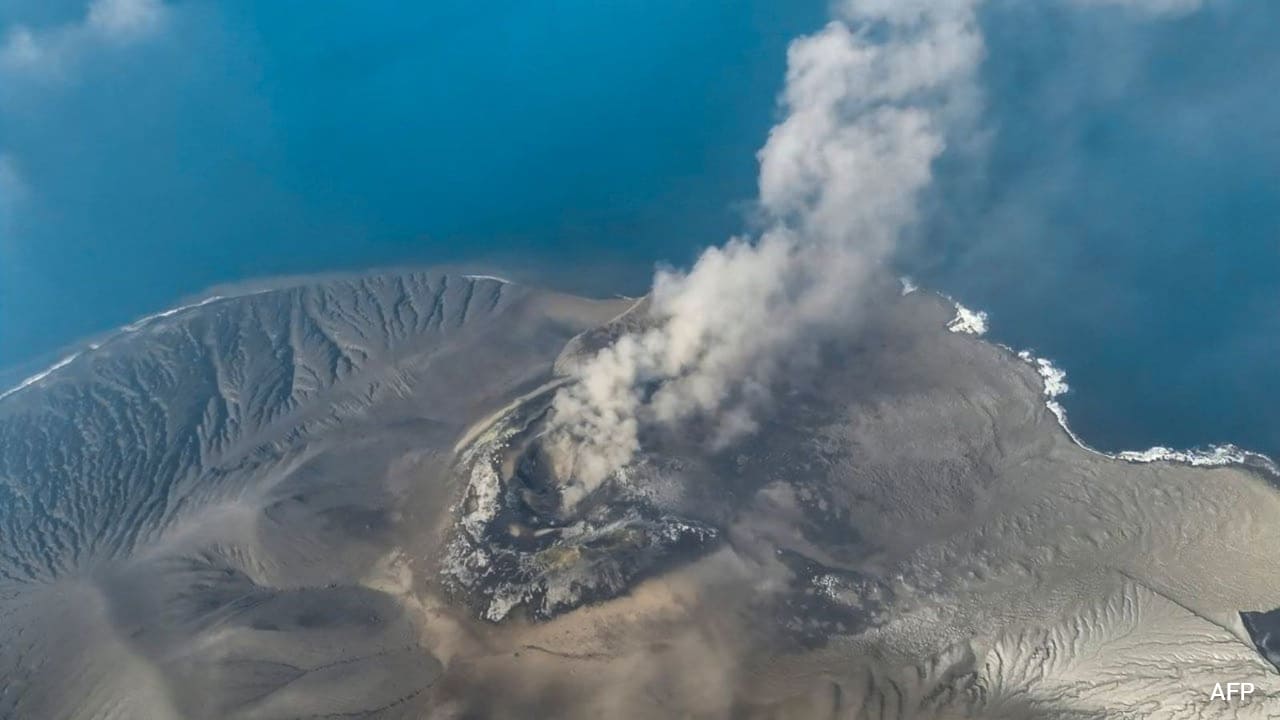
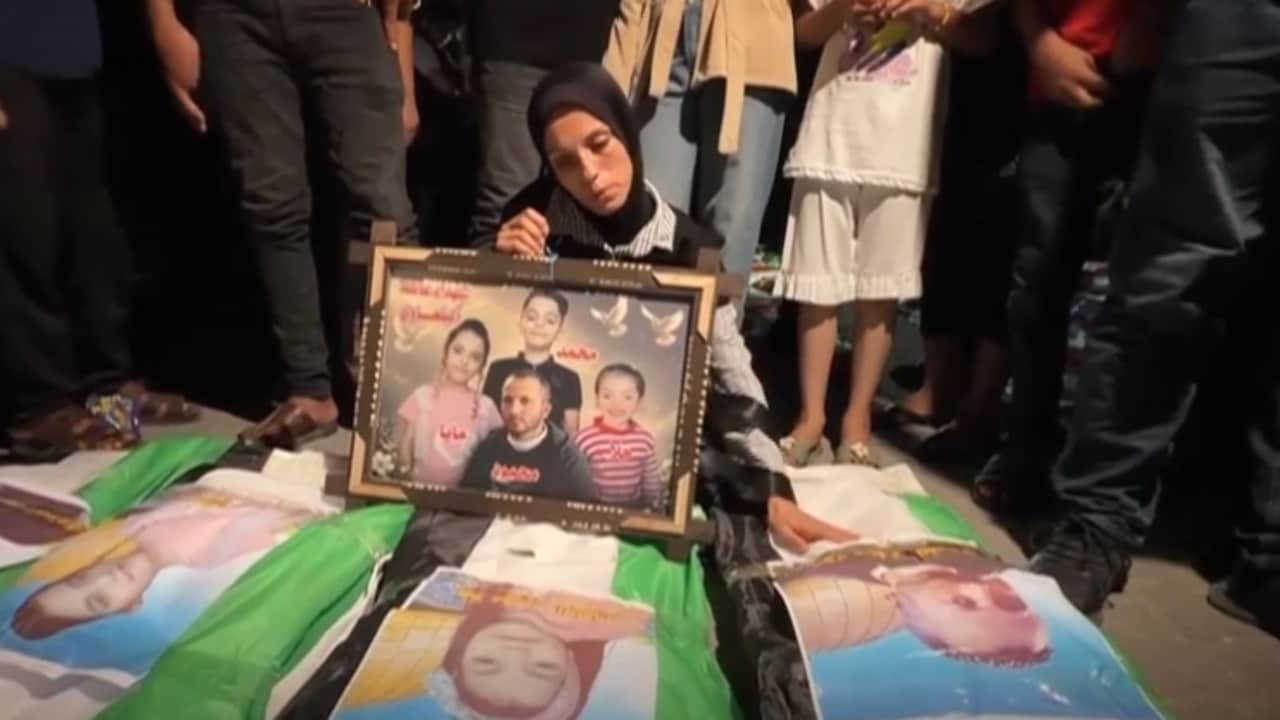
A week after devastating flash floods struck Nepal, the death toll has climbed above 1,200, with over 4,000 people still unaccounted for in a massive search operation.
- Official death toll has exceeded 1,200 victims.
- Over 4,000 individuals remain missing across affected regions.
- Nepal is demanding compensation from major global industrial emitters.
The catastrophic flash floods that tore through Nepal have left a trail of destruction a week after the initial impact. As search and rescue operations continue amidst treacherous terrain, the official death toll has surged past 1,200, while the scale of the tragedy is compounded by the fact that more than 4,000 people are still reported missing.
The devastation is most acute along the Nepal-Tibet border, where entire communities have been decimated. Despite losing their homes and livelihoods, local communities are demonstrating incredible resilience, working together to rebuild amidst the ruins. However, the sheer volume of debris and the unpredictability of the terrain make finding survivors an uphill battle for rescue teams.
Why This Matters
BozokMedia analysis shows that this disaster is a stark manifestation of the escalating climate crisis in the Himalayan region. The increasing frequency of extreme weather events in these high-altitude zones suggests that the traditional monsoon patterns are being fundamentally altered by global warming.
This disaster is not just a local tragedy; it is a global indictment of failed climate mitigation efforts.
In a bold diplomatic move, the Nepalese government has shifted the narrative from victimhood to accountability. Declaring that this is 'not charity,' Nepal is actively seeking compensation from major industrial emitters. The government argues that those responsible for the bulk of global carbon emissions must bear the financial burden of the climate-induced catastrophes hitting vulnerable nations.
Historical Background
Historically, the Himalayan belt has faced seasonal flooding, but the intensity of recent years' disasters marks a terrifying shift. The rapid melting of glaciers combined with intensified rainfall cycles has turned once-predictable seasonal shifts into lethal, unpredictable flash floods.
Frequently Asked Questions
Question 1: How many people are currently missing in Nepal?
Answer: More than 4,000 people remain missing following the flash floods.
Question 2: What is Nepal's stance on compensation?
Answer: Nepal is demanding compensation from major industrial emitters, viewing it as accountability rather than charity.