A stark United Nations report warns that the world is on track to bypass critical temperature targets within years, exposing ecosystems and humanity to irreversible damage.
- The world is projected to exceed global temperature rise targets in the coming years.
- Profound impacts on ecosystems and human life are imminent.
- Previous international pledges to avoid these thresholds are failing.
In a sobering development, a new report released by the United Nations on Wednesday has warned that the global community is rapidly approaching a tipping point. The report indicates that the world will zoom well past its target for global temperature rise in the next few years, rendering many previous climate pledges obsolete.
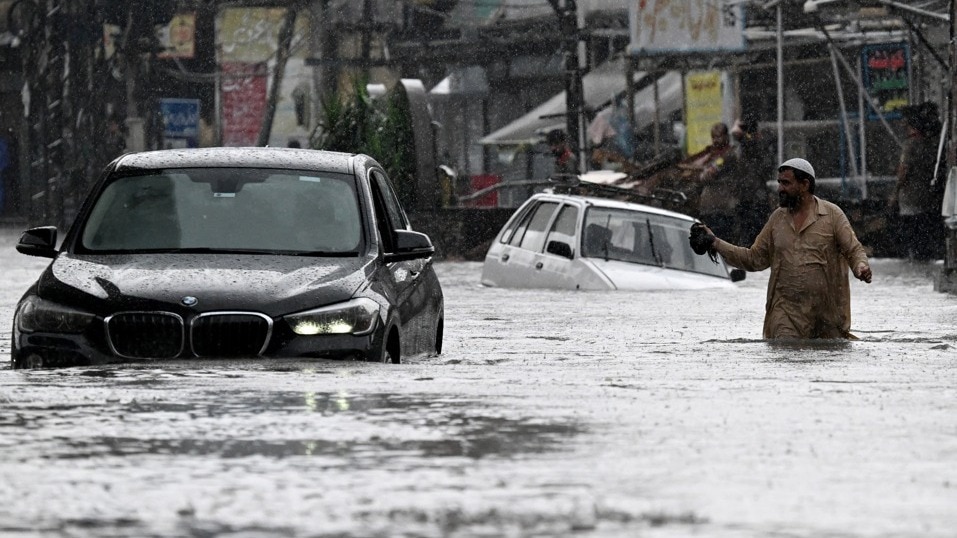
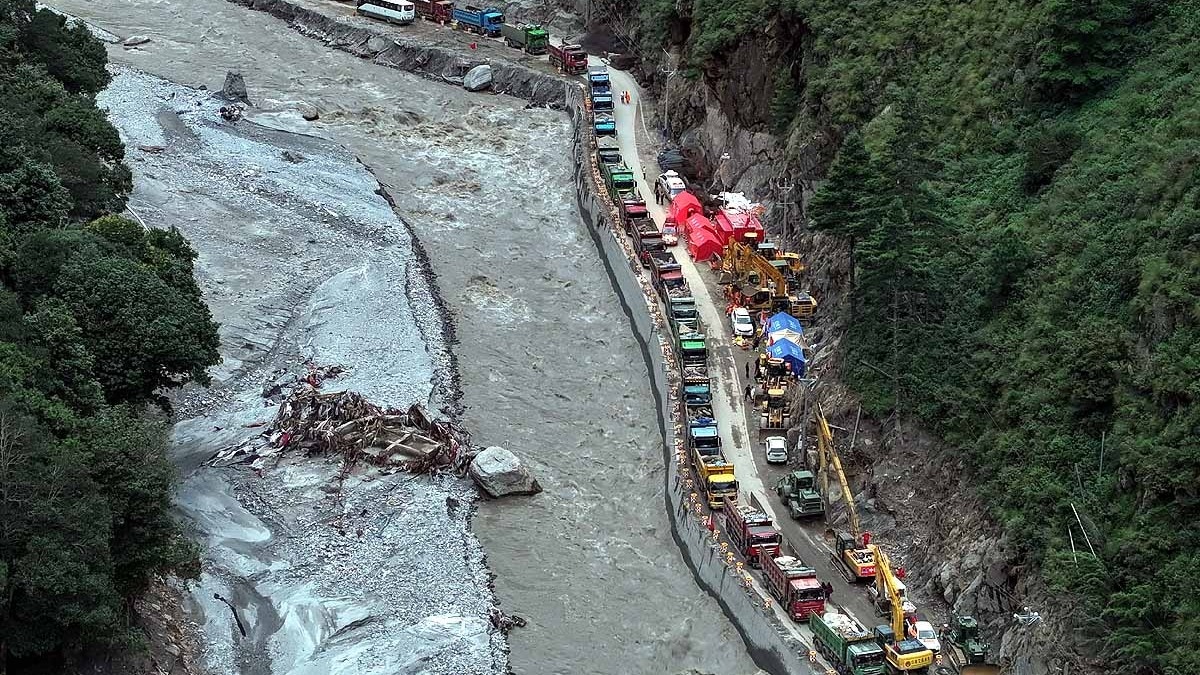
This overshoot is expected to expose humans and delicate ecosystems to profound, and potentially irreversible, climate impacts. The failure to meet these targets undermines the very foundation of international climate agreements, leaving nations vulnerable to the extreme weather patterns they had collectively vowed to mitigate.
Why This Matters
BozokMedia analysis shows that this trajectory poses a systemic risk to global stability. The breach of these temperature thresholds is not merely an environmental metric; it is a catalyst for economic instability, mass migration, and the collapse of biodiversity that underpins human civilization.
We are no longer talking about preventing future catastrophe; we are talking about managing an unfolding global emergency.
The report highlights a disconnect between political rhetoric and actual emission reduction trajectories. While many nations have pledged 'Net Zero' targets, the immediate actions required to bend the warming curve are currently insufficient to stay within the safe operating space of the planet.
Historical Background
Since the adoption of the Paris Agreement, the primary goal has been to limit global warming to well below 2°C, preferably to 1.5°C. This threshold is considered vital to avoid the most catastrophic effects of climate change, such as the total melting of polar ice caps and the acidification of oceans.
Frequently Asked Questions
Question 1: What happens if we overshoot the 1.5°C limit?
Answer: It increases the risk of 'tipping points' like permafrost melting, which releases even more greenhouse gases.
Question 2: Can technology help reverse this?
Answer: While carbon capture technology exists, scientific consensus suggests it cannot replace the urgent need for massive emission cuts.