Tensions between the US and Iran have escalated following intense military strikes, resulting in civilian deaths near Sirik and a massive spike in global oil prices.
- US and Iranian retaliatory strikes have escalated across Jordan, Bahrain, and Iraq.
- A wedding near Sirik resulted in 5 deaths, including a child, and 50 injuries.
- Global crude oil prices surged by over $4 due to threats to Gulf oil exports.
The military confrontation between the United States and Iran has reached a critical flashpoint. Following a series of US air strikes and subsequent Iranian retaliatory attacks on US assets in Jordan, Bahrain, and Iraq, the region is bracing for further conflict. The human cost of this escalation was tragically highlighted near Sirik on the Strait of Hormuz, where a barrage of strikes hit a wedding, killing five people—including a four-year-old child—and wounding 50 others.
Beyond the immediate casualties, the conflict is rapidly destabilizing global energy markets. Attacks on two tankers exiting the Strait of Hormuz have prompted Tehran to issue stern warnings regarding the potential halting of Gulf oil exports. This geopolitical volatility immediately triggered a surge in global crude prices, which jumped by more than four dollars per barrel.
Why This Matters
BozokMedia analysis shows that the instability in the Strait of Hormuz represents a systemic risk to the global economy. Any prolonged disruption in this maritime chokepoint could lead to unprecedented energy shortages and inflationary pressures worldwide.
The convergence of military strikes and energy blackmail creates a volatile environment for global market stability.
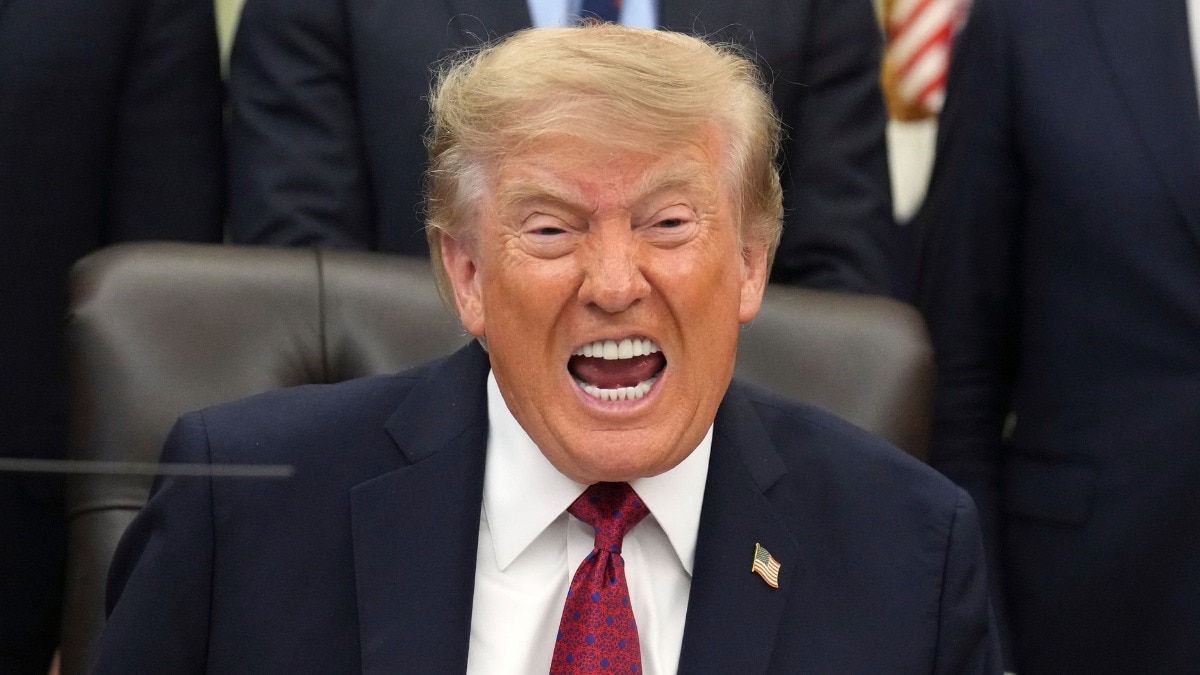
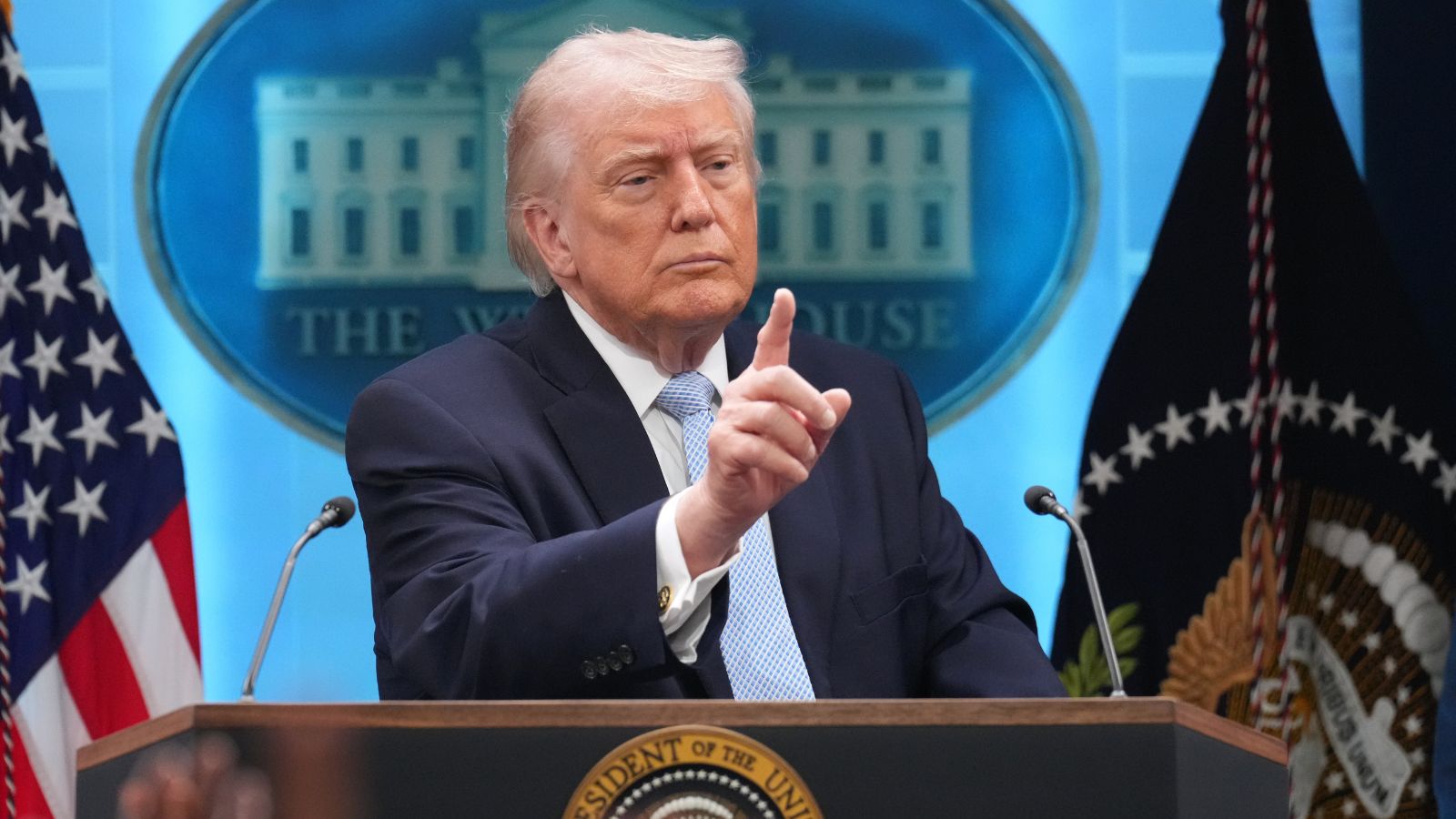
The situation is further complicated by the hardline stance of the US administration. President Donald Trump has signaled readiness for further military action, while US Treasury Secretary Scott Bessent is preparing a new wave of economic sanctions against Tehran. The intersection of kinetic warfare and economic warfare suggests a prolonged period of instability.
Historical Background
The geopolitical rivalry between Washington and Tehran has been a defining feature of Middle Eastern politics for decades. The Strait of Hormuz remains the world's most sensitive oil transit point, making it the primary theater for both military and economic leverage in the region.
Frequently Asked Questions
Question 1: How has this conflict affected the global economy?
Answer: The threat to oil transit has caused crude oil prices to spike by over $4 per barrel.
Question 2: What is the current status of US-Iran relations?
Answer: Relations have deteriorated into active military exchanges and threats of further sanctions and strikes.