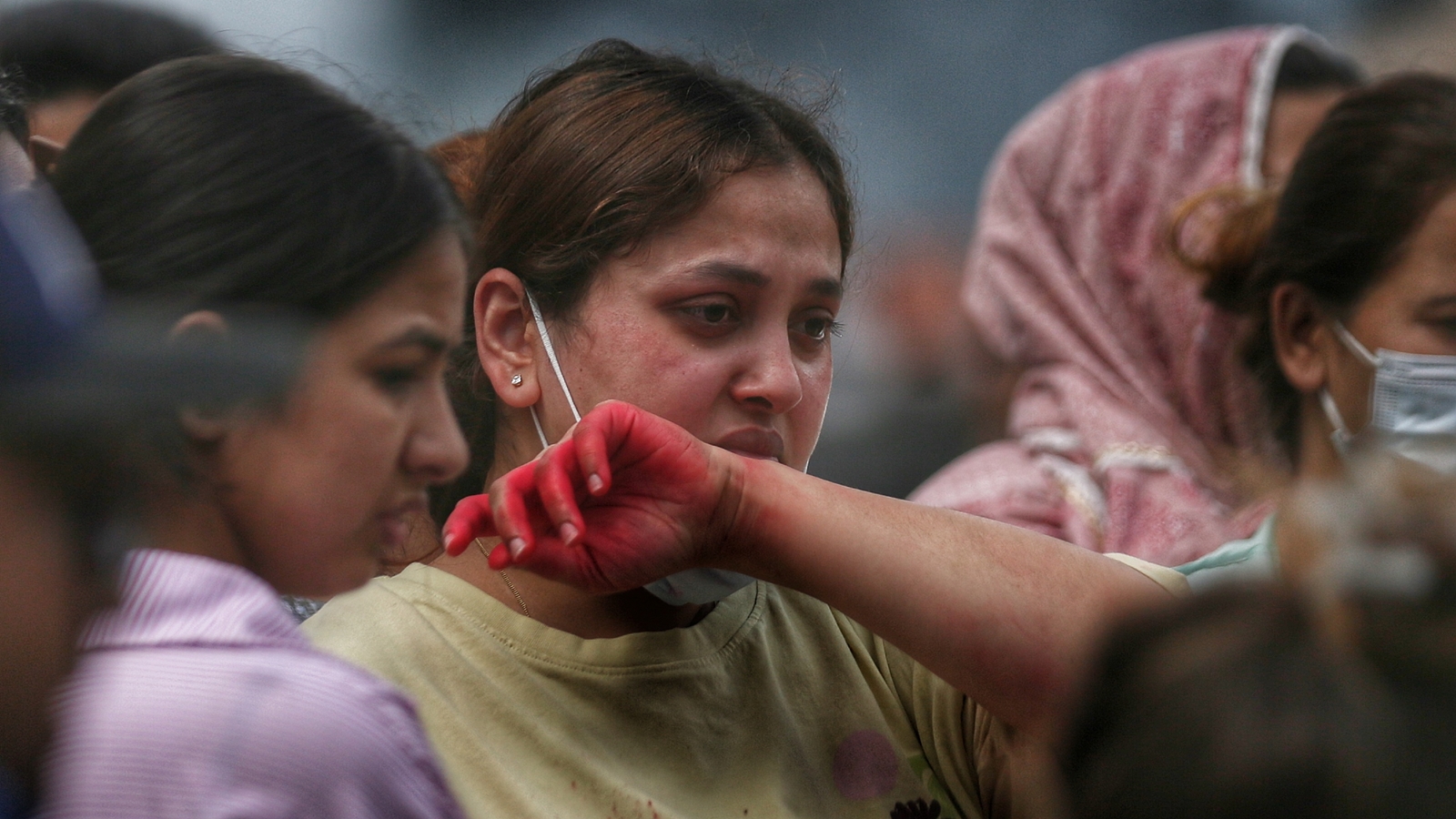
The devastating flash floods in Nepal have claimed 1,243 lives, leaving thousands missing. Prime Minister Balendra Shah has called for international justice, citing global warming as the primary driver.
- The death toll from Nepal's flash floods has reached 1,243.
- Nearly 4,875 people remain missing as rescue operations continue.
- PM Balendra Shah linked the disaster to global warming and industrial carbon emissions.
- Over 13,000 individuals were successfully rescued by security agencies.
A week after catastrophic flash floods tore through at least three districts adjacent to Kathmandu, the scale of the tragedy has become even more harrowing. On Wednesday, Prime Minister Balendra Shah addressed Parliament, marking a rare appearance to demand international support for rehabilitation and reconstruction following the disaster that struck on August 26.
The Prime Minister highlighted the unprecedented nature of the event, noting that the sudden surge of water and mud was something that could not have been anticipated. He extended his gratitude to the Nepalese Army, Police, and Armed Police Force, praising their swift response which resulted in the rescue of more than 13,000 people amidst the chaos.
Why This Matters
BozokMedia analysis shows that this catastrophe serves as a grim manifestation of the climate crisis hitting mountain ecosystems. Nepal, despite contributing minimally to global greenhouse gas emissions, is disproportionately suffering from the consequences of industrialization in wealthier nations. This event intensifies the global debate regarding the 'Loss and Damage' fund and the accountability of industrialized nations in climate mitigation.
"This incident shows the increasing risk the people of the mountain region have to bear with the occurrence of climate change." - Prime Minister Balendra Shah
The humanitarian crisis continues to escalate, with the death toll climbing to 1,243 and approximately 4,875 people still missing. Rescuers are facing extreme difficulties due to continuous rainfall and massive amounts of debris blocking access to affected areas. The Prime Minister emphasized that the government is following strict scientific and legal protocols, including DNA sampling of unidentified victims to ensure future identification is possible.
Historical Background
The Himalayan region has long been recognized as a 'climate hotspot.' As global temperatures rise, the stability of glaciers and the predictability of monsoon patterns have diminished, leading to an increased frequency of high-intensity flash floods that devastate local communities and infrastructure.
Frequently Asked Questions
Question 1: How many people are currently missing in Nepal?
Answer: According to the latest reports, nearly 4,875 people are still unaccounted for.
Question 2: What is Nepal's stance on international aid?
Answer: Prime Minister Shah stated that Nepal is fully open to international assistance and has been coordinating with the global community since the onset of the crisis.