U.S. President Donald Trump declared the Strait of Hormuz open for commercial traffic, countering Iran’s earlier announcement of its closure. The statement underscores escalating U.S.-Iran tensions in the Gulf and its ripple effects on global shipping and oil markets.
मुख्य बिंदु (Key Takeaways)
- Trump asserts Hormuz Strait is open for commercial ships
- Iran previously announced a temporary closure
- The claim could influence global oil prices and maritime security
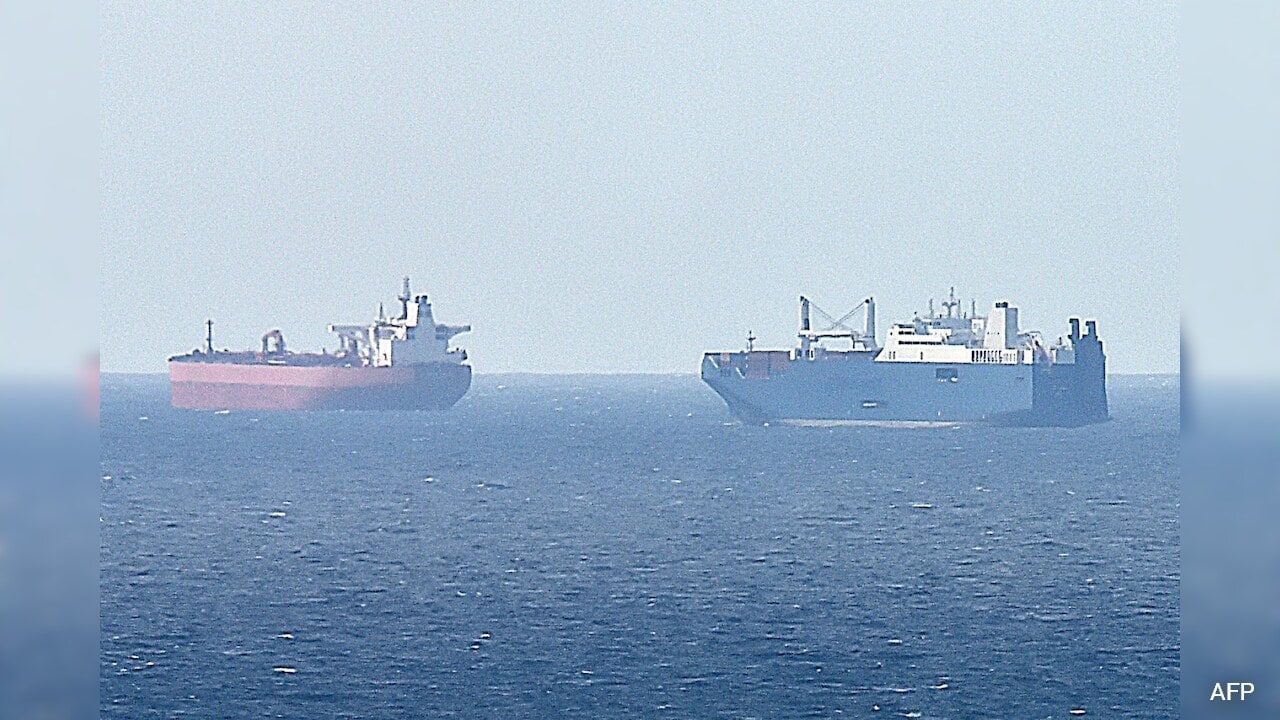
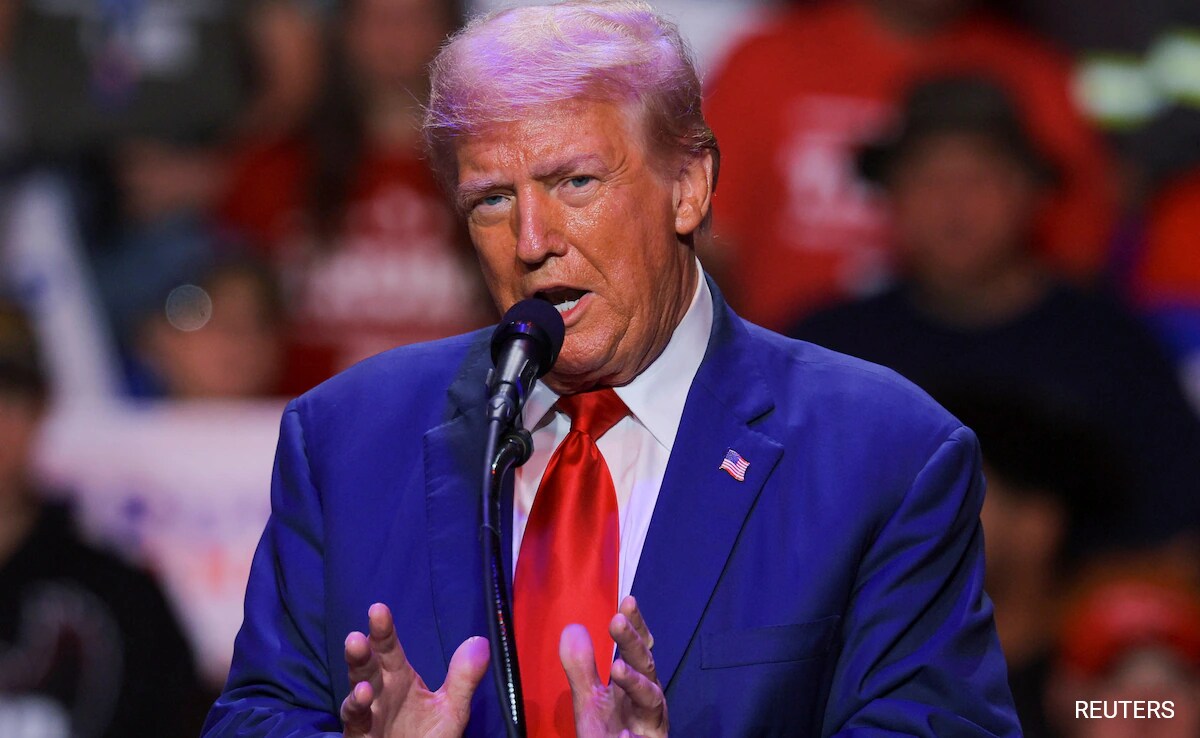
President Donald Trump announced that the Strait of Hormuz is currently open for commercial vessels, directly contradicting Iran’s recent claim that the waterway had been closed. The remark arrives amid a fresh surge of hostilities between the United States and Iran in the Persian Gulf, reigniting concerns over the security of one of the world’s most vital maritime chokepoints.
Strategic Importance of the Strait
The Hormuz Strait, linking the Persian Gulf to the Gulf of Oman, funnels roughly 20% of global oil shipments. Its strategic value has made it a frequent flashpoint; in 2019, Iran threatened to shut the passage, prompting a sharp rise in oil prices and a series of naval patrols by U.S. and allied forces to ensure free navigation.
Trump’s Statement and Market Implications
Trump’s reassurance that the waterway is “open and safe” is a classic attempt to calm markets, especially when oil prices wobble. Analysts caution, however, that verbal assurances cannot replace on‑the‑ground naval operations. The real test lies in whether U.S. naval assets can deter any Iranian attempts to disrupt traffic, a scenario that could quickly reverse any short‑term market stability.
Iran’s Position
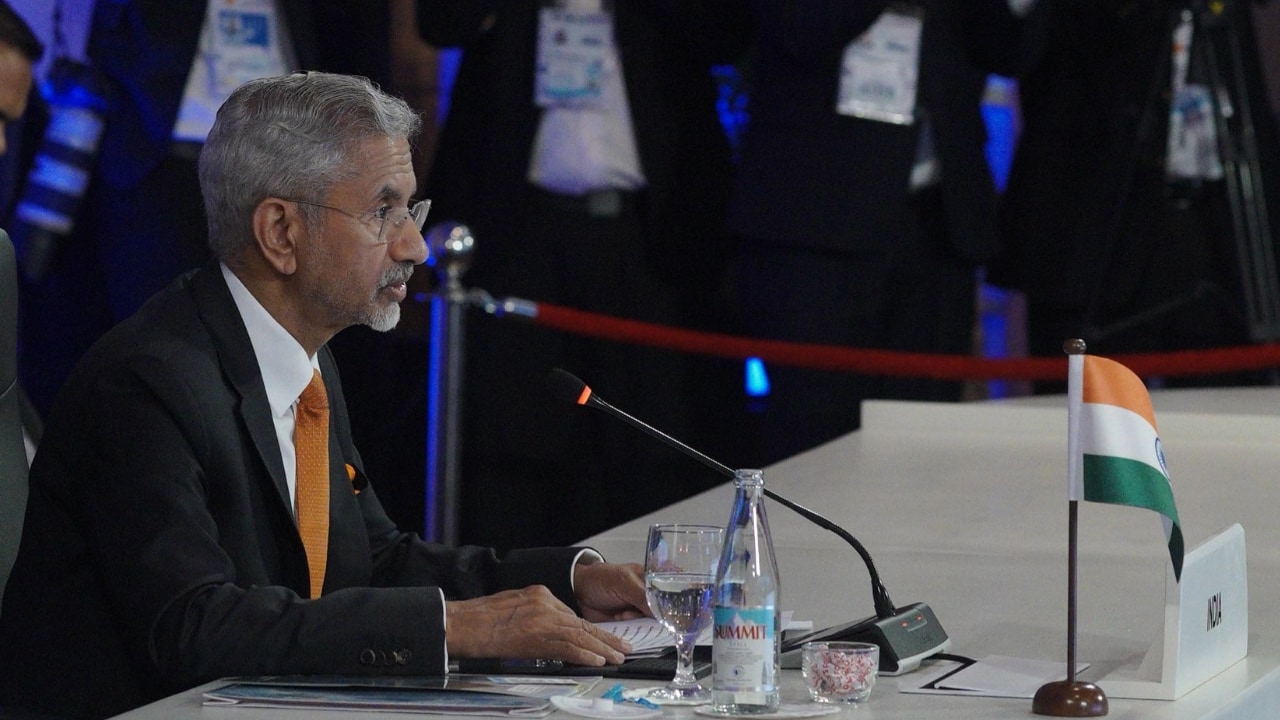
Iran’s official declaration of a closure was framed as a response to what it described as escalating U.S.–Israel provocations. By leveraging the strait’s closure, Tehran aims to amplify diplomatic pressure and extract concessions in broader negotiations. Trump’s contradictory claim adds another layer of ambiguity, potentially weakening Iran’s bargaining chip.
Looking Ahead
If the strait remains reliably open, global oil supply chains may avoid further turbulence, keeping prices in check. Conversely, a renewed Iranian blockage could trigger sharp price spikes, force shipping firms to reroute, and spark new security coalitions in the region. Continuous monitoring by international maritime organizations and diplomatic engagement from both sides will be essential to prevent a slide into open conflict.