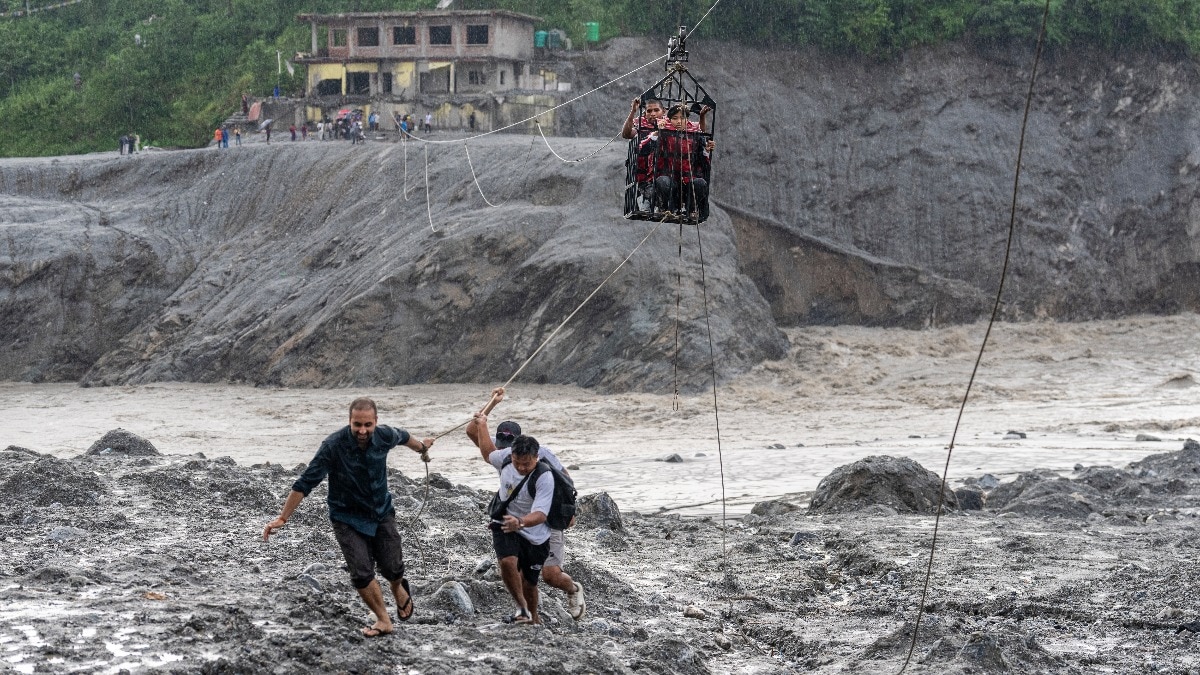
Devastating flash floods in Nepal have claimed at least 1,243 lives, with nearly 4,900 people still missing. Rescue operations continue amid relentless heavy rainfall.
- Death toll has officially reached 1,243.
- 4,875 people remain missing, including 583 foreign nationals.
- The Indian Army and New Delhi are providing critical relief support.
- PM Balendra is demanding global accountability for climate change.
The devastating flash floods tearing through Nepal have escalated into a massive humanitarian catastrophe. Official reports confirm that the death toll has climbed to 1,243, while a staggering 4,875 individuals remain missing a week after the initial deluge. The floods have decimated numerous towns and villages across the Himalayan nation, leaving a trail of destruction in their wake.
Rescuers are currently battling extreme weather conditions, including torrential rain and massive debris, to locate survivors and recover bodies. The scale of the tragedy is compounded by the fact that 583 foreigners are among those reported missing. In several areas, such as near the Trishuli River, traditional transport has been replaced by makeshift ziplines to facilitate movement amidst the chaos.
Why This Matters
BozokMedia analysis shows that this disaster serves as a grim reminder of the vulnerability of mountain ecosystems. The catastrophe has reignited intense debates regarding climate change; Nepal Prime Minister Balendra has strongly advocated for global accountability, urging developed nations to provide compensation for the climate-induced damages being suffered by smaller, vulnerable nations.
The increasing frequency of flash floods in the Himalayan corridor is a direct consequence of shifting global weather patterns.
In a show of regional solidarity, the Indian Army has mobilized to assist in search and rescue operations. Additionally, the government in New Delhi has dispatched essential relief materials to support the Nepalese administration. However, the sheer volume of displaced persons and the destruction of infrastructure present monumental challenges to the recovery effort.
Historical Background
Nepal's topography makes it highly susceptible to landslides and flash floods. Historically, the region has faced seasonal monsoon challenges, but the intensity and unpredictability of these events have increased significantly in recent years due to rapid environmental changes.
Frequently Asked Questions
Question 1: How many people are currently missing in Nepal?
Answer: Approximately 4,875 people are still unaccounted for following the flash floods.
Question 2: Is India providing assistance to Nepal?
Answer: Yes, the Indian Army is involved in rescue operations and New Delhi has sent relief supplies.