Iran launched coordinated missile and drone attacks on Bahrain and Kuwait in response to recent US strikes. Both nations sounded alarms while Kuwait’s air defenses engaged incoming threats.
Key Takeaways
- Iran hit Bahrain and Kuwait with missile and drone attacks
- The US reinstated a naval blockade on all Iranian ports
- Oil prices surged as regional security deteriorates
On the morning of July 15, 2026, Iran unleashed a barrage of missiles and drones against Bahrain and Kuwait, marking a direct retaliation to recent US airstrikes on Iranian targets. Both Gulf states activated their emergency warning systems; Bahrain’s missile‑alert sirens wailed, while Kuwait’s armed forces reported that its air‑defence batteries were firing to intercept the incoming projectiles.
Background and Historical Context
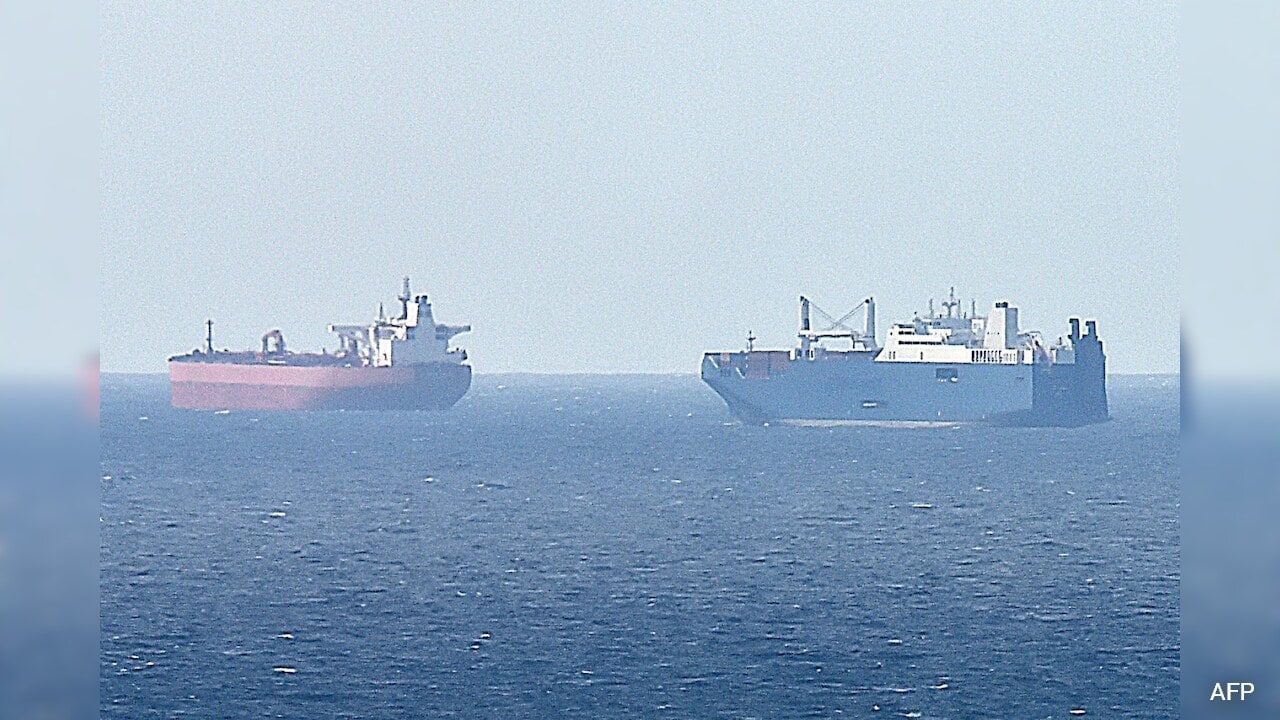
The Strait of Hormuz has long been a flashpoint. Iran regards the waterway as a sovereign strategic asset and has repeatedly threatened vessels that pass through it. Last year, Tehran warned US warships of potential attacks, heightening bilateral tensions. This time, after a series of US strikes aimed at Iran’s energy infrastructure, Tehran chose to strike back at US‑aligned Gulf states, using the very weapons it accuses the West of employing.
US Re‑Imposes Naval Blockade
President Donald Trump’s administration swiftly re‑imposed a naval blockade on every Iranian port, aiming to choke the country’s oil exports and curb its ability to fund further military operations. The blockade has already nudged global oil benchmarks upward; Brent crude and West Texas Intermediate (WTI) both posted their highest levels since mid‑June, reflecting heightened market anxiety.
Regional and Global Implications
The escalation threatens to destabilise the broader Gulf region, a cornerstone of the world’s oil supply chain. Investors have turned to futures contracts as a hedge, while several neighboring states have bolstered their naval presence in anticipation of further confrontations. The risk of a wider conflagration involving Saudi Arabia, Israel, or other regional powers looms large.
Looking Ahead
Analysts warn that without diplomatic engagement, the tit‑for‑tat cycle could spiral into a protracted conflict, deepening economic shocks and humanitarian concerns. International mediators are urged to reopen channels and negotiate a de‑escalation framework before the situation escalates beyond controllable limits.