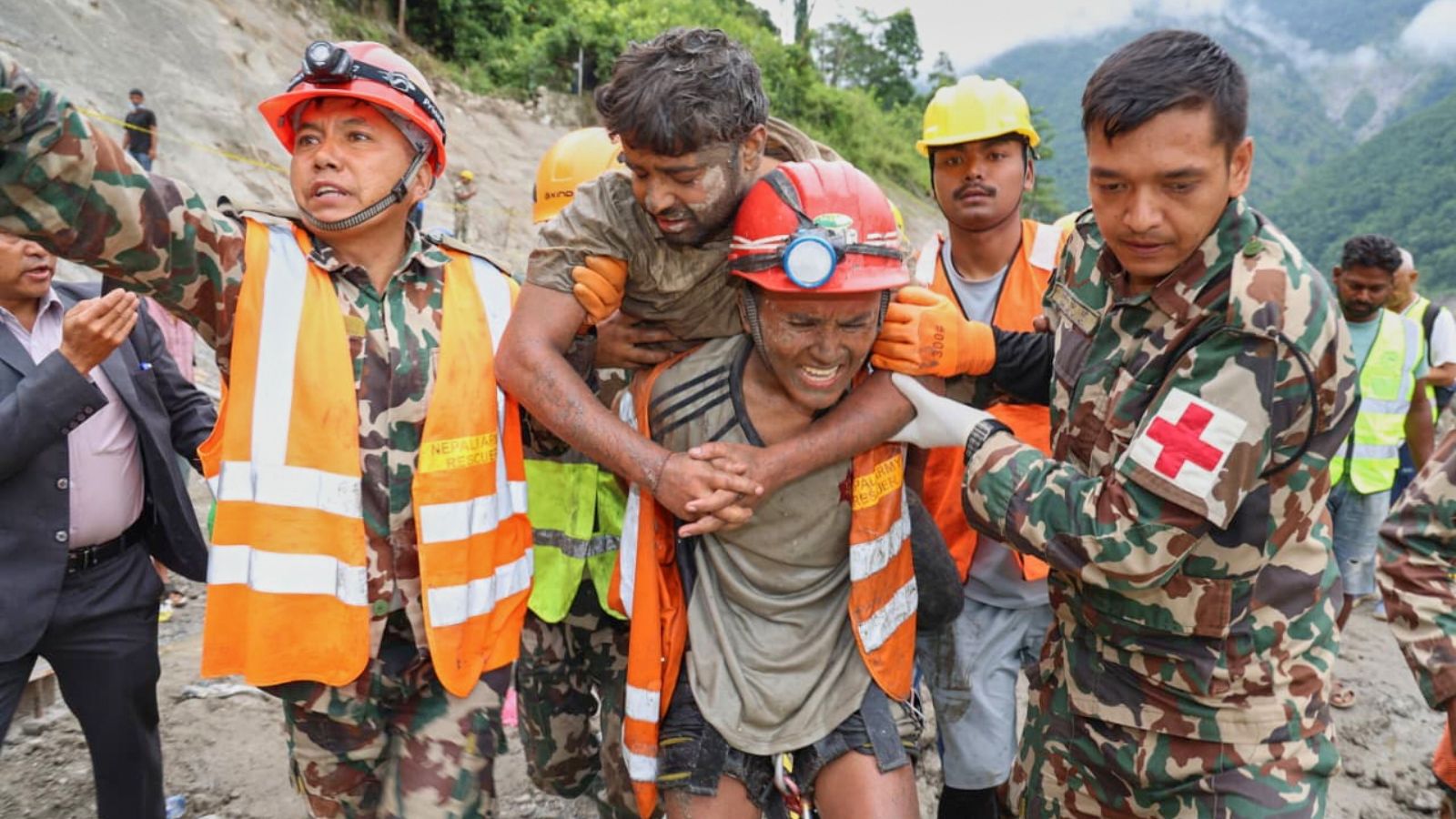
After the August 26 glacial collapse and flash flood, Nepal is demanding direct climate compensation from the world’s biggest emitters. By shifting from charity to liability, the Himalayan nation has turned tragedy into a global test of climate justice.
- Nepal officially seeks climate compensation from the United States, China and India.
- The flood destroyed roughly 10% of Nepal’s hydropower capacity, costing $4‑7 billion.
- Future infrastructure must be climate‑resilient and underground to survive similar events.
Event Timeline: The Himalayan Tsunami
On August 26, a massive glacial collapse on the Nepal‑China border triggered a flash flood along the Trishuli River, killing over 1,200 people and displacing thousands. Foreign Minister Shisir Khanal called it “the ultimate price for a global crisis we did not create.”
Nepal’s Diplomatic Pivot
Instead of the usual humanitarian appeals, Kathmandu launched a diplomatic offensive, demanding direct climate compensation from the three largest carbon emitters. This shift from charity to legal liability forces the international community to confront the hard limits of adaptation.
Historical Background
Nepal contributes a negligible 0.1% of global greenhouse‑gas emissions and generates almost all electricity from renewable hydropower. Yet, situated in the “Third Pole” of the Himalayas, it sits at ground zero for warming, with regional temperatures rising nearly twice the global average.
Economic and Socio‑Cultural Impact
The floods crippled about 10% of the country’s installed 43,000 MW hydropower capacity, wiping out older plants like Devighat and burying under‑construction projects. Damage estimates range from $4 billion to $7 billion—roughly a tenth of Nepal’s GDP. Beyond economics, centuries‑old monasteries are eroding, villages are relocating, permafrost melt is creating methane hotspots, and vector‑borne diseases are moving to higher altitudes.
Geopolitical Accusations
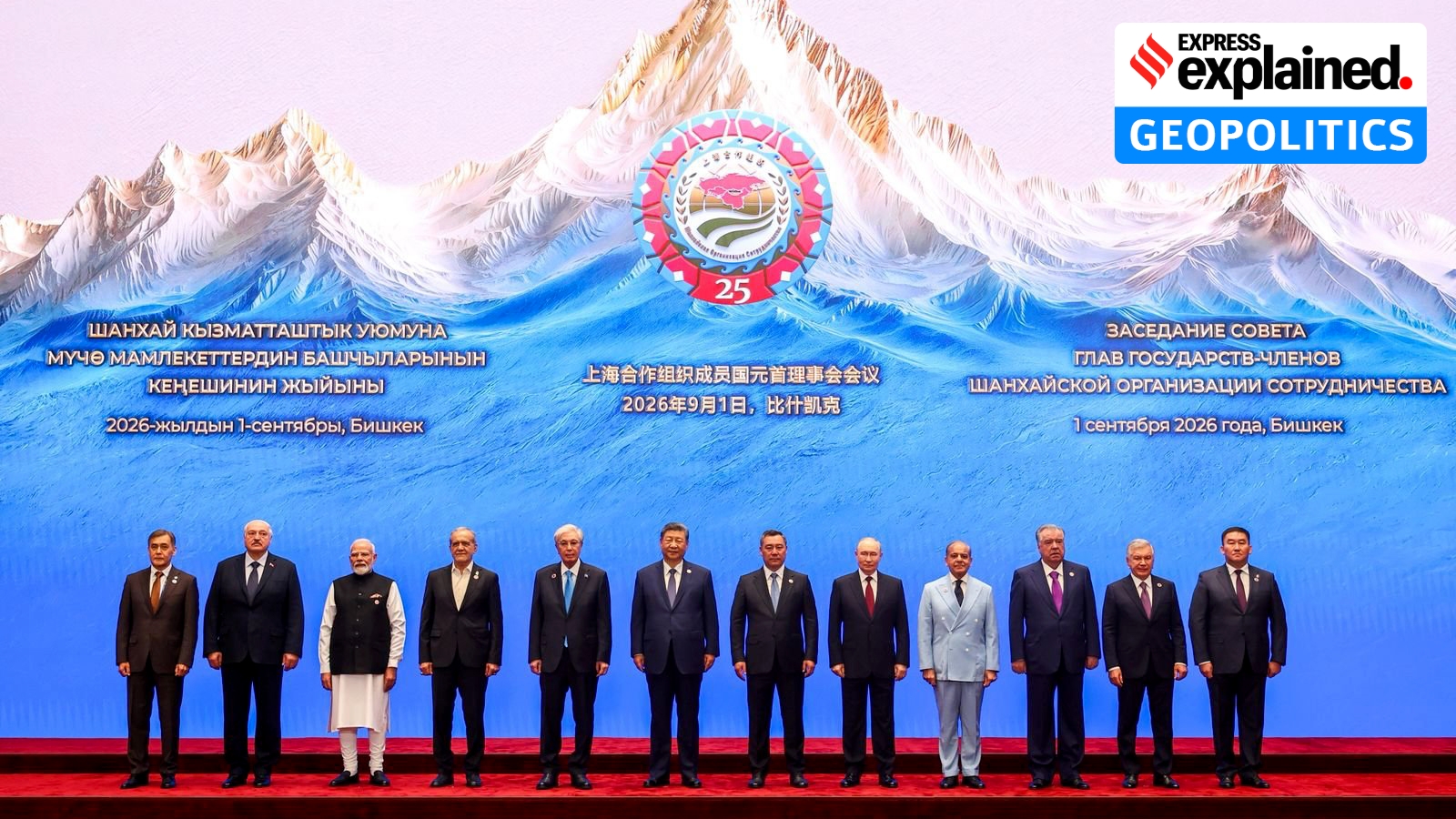
Nepal explicitly names the United States, China and India as the primary architects of its misery. The U.S. bears historical liability for over 20% of cumulative global emissions since 1850, while China is the current top annual emitter and India sits next door, sharing trans‑boundary climate risks.
Why This Matters
BozokMedia analysis shows that Nepal’s legal‑based claim could set a precedent, forcing high‑emitting nations to reckon with liability rather than charity, and reshaping international climate finance mechanisms.
“If major polluters are not held legally accountable, similar disasters will continue unchecked,” says climate‑law expert Dr. Anjali Singh.
Frequently Asked Questions
Question 1: Could Nepal’s demand create a new legal pathway for climate compensation?
Answer: If successful, it would establish a liability‑based framework, encouraging other vulnerable nations to file similar claims.
Question 2: How have the accused emitters responded so far?
Answer: No formal response has been issued yet, though discussions on data‑sharing and early‑warning systems are underway.