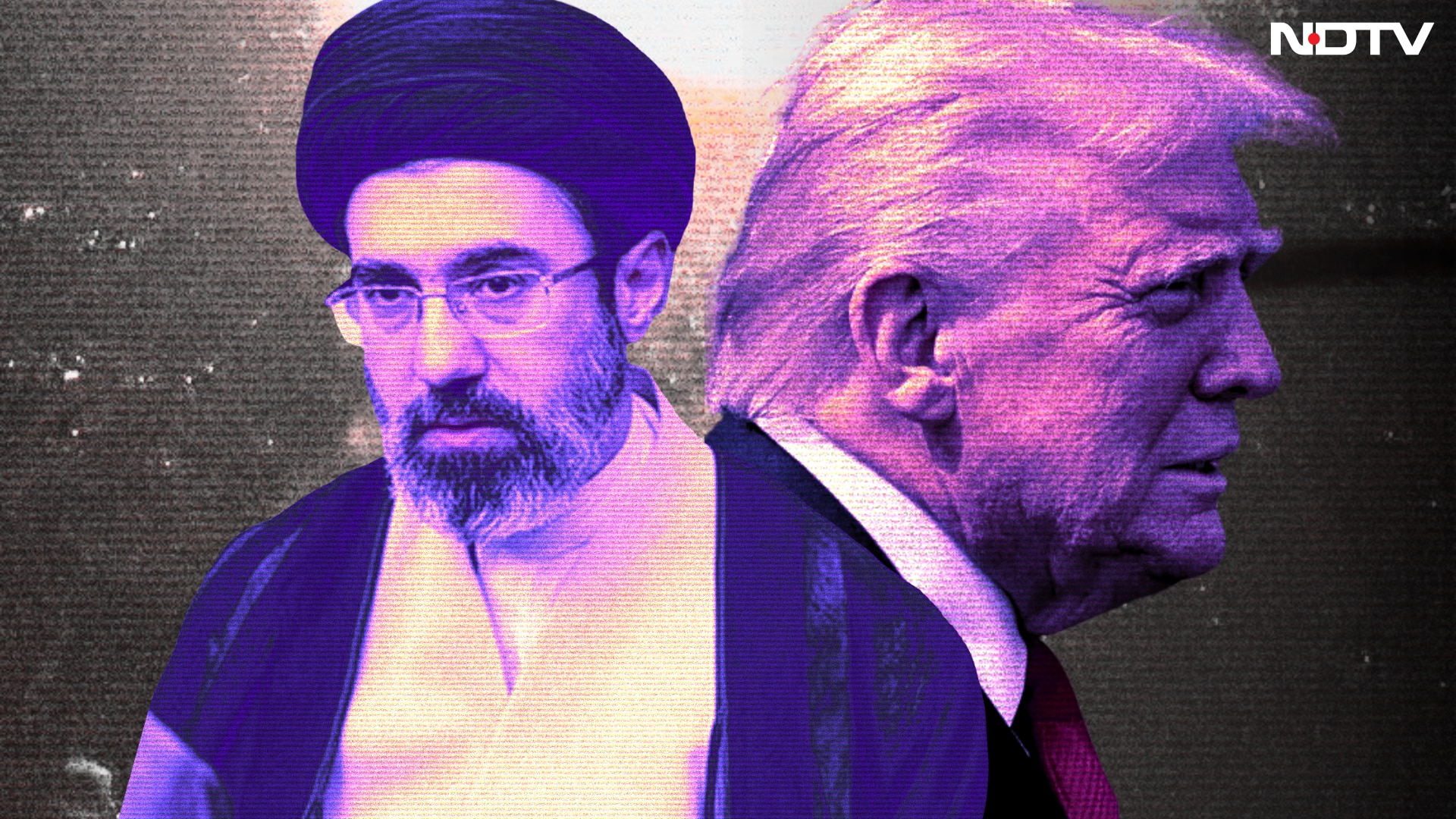
In a significant escalation, the US has struck three Iranian oil tankers believed to be part of a multi-billion dollar shadow network funding the IRGC, following unprovoked attacks on US warships.
- US Navy warships successfully repelled multiple unprovoked Iranian attacks.
- Three Iranian oil tankers were targeted in a strategic retaliatory strike.
- The tankers are allegedly part of a multibillion-dollar shadow network funding the IRGC.
Tensions in the Middle East have escalated to a critical point following a series of naval confrontations. The US Central Command (CENTCOM) reported that a US aircraft carrier and a guided-missile destroyer successfully evaded and neutralized "multiple unprovoked Iranian attacks" intended to disrupt US naval operations.
In a direct response to these provocations, US military forces targeted three Iranian oil tankers. Intelligence assessments suggest these vessels are integral components of a sophisticated, multibillion-dollar shadow network. This network is reportedly used to facilitate the illicit movement of funds to the Islamic Revolutionary Guard Corps (IRGC), enabling their continued regional activities.
Why This Matters
BozokMedia analysis shows that this move represents a shift from purely defensive naval posture to a proactive economic warfare strategy. By targeting the tankers, the US is attempting to sever the financial arteries that sustain the IRGC's military capabilities.
The transition from naval skirmishes to targeting economic assets signals a high-stakes attempt to cripple Iran's ability to fund proxy warfare.
The implications of this strike extend far beyond the immediate vicinity of the conflict. The potential for increased volatility in the Persian Gulf poses a direct threat to global energy security and international shipping lanes, which are vital for the global economy.
Historical Background
The maritime corridor of the Persian Gulf, particularly the Strait of Hormuz, has long been a flashpoint for US-Iran tensions. For decades, Iran has utilized its geographical position to exert pressure on international oil transit, often leading to heightened military presence and periodic kinetic engagements between US and Iranian forces.
Frequently Asked Questions
1. What was the primary motivation for the US strike?
The strike aimed to disrupt the financial network used by the IRGC to fund its operations.
2. How did the US warships respond to the initial attack?
The aircraft carrier and destroyer utilized advanced defensive systems to successfully avoid the unprovoked Iranian attacks.