Iran has issued a stern warning to the US, promising a 'faster and heavier' response following American strikes on oil tankers in the Gulf. Tensions escalate in the Strait of Hormuz.
- Iran warns of a "faster, heavier and more painful" response to any attacks on its interests.
- The escalation follows US military strikes on three Iranian oil tankers in the Gulf.
- Conflict intensifies near the strategically vital Strait of Hormuz amidst economic sanctions.
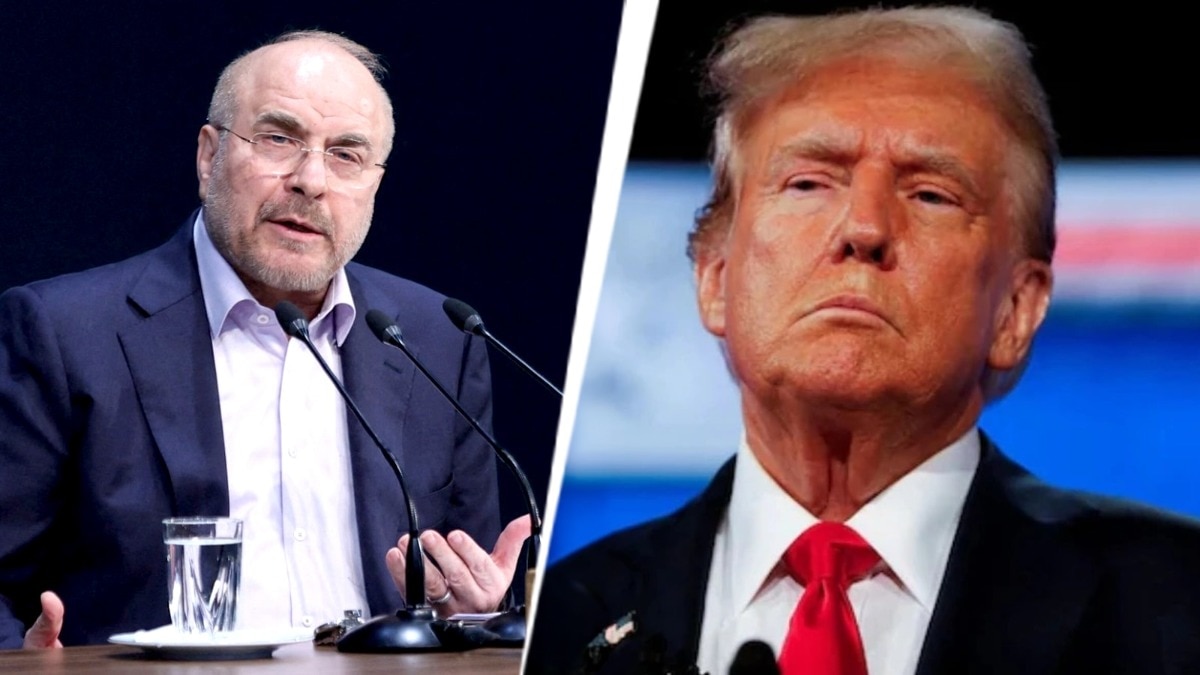
The geopolitical landscape in the Middle East has shifted dramatically as Iran has warned the United States that the "rules of the game have changed." Following recent American military strikes on three Iranian oil tankers in the Gulf, Tehran has promised a response that will be "faster, heavier, and more painful." This warning comes from Iranian Parliament Speaker Mohammad Baqer Ghalibaf, signaling a significant escalation in regional hostilities.
The US military justified its strikes as retaliation for ballistic missile attacks launched by the Islamic Revolutionary Guard Corps (IRGC) against US Navy vessels. Ghalibaf, speaking via his Telegram channel, emphasized that Washington must understand the gravity of the situation "before it is too late," suggesting that Iran is prepared to move beyond defensive postures toward active, aggressive retaliation.
Why This Matters
BozokMedia analysis shows that the stability of the Strait of Hormuz is paramount to global economic health. Any prolonged conflict in this narrow waterway threatens to choke the world's oil supply, potentially triggering a global energy crisis and massive inflationary spikes. The shift from sporadic skirmishes to threatened large-scale retaliation marks a dangerous new phase in the conflict.
The shift in rhetoric from Tehran suggests that Iran is moving toward a doctrine of rapid and overwhelming retaliation to deter further US intervention.
Beyond the military theater, Iran is fighting a dual battle against economic isolation. US sanctions and a maritime blockade of Iranian oil exports have placed immense pressure on the nation's economy. While Ghalibaf highlighted the struggle of the Iranian people regarding inflation and unemployment, Economy Minister Ali Madanizadeh maintained a defiant stance, stating that Iran would pursue economic reforms rather than bowing to US Treasury pressures.
Historical Background
The current tension is rooted in the broader conflict that intensified after US and Israeli strikes on Iran in late February. Despite a ceasefire attempt in June, the cessation of hostilities has been largely ineffective, with sporadic fighting continuing. To bypass sanctions, Iran has relied on a "shadow fleet" of tankers to move crude oil, a tactic that has become a central part of its economic survival strategy.
A critical flashpoint remains Kharg Island, Iran's primary crude export hub. Reports indicate the island has survived over 550 strikes since the conflict began. Despite the bombardment, Iranian officials claim that oil loading operations continue, demonstrating a high level of operational resilience under fire.
Frequently Asked Questions (FAQs)
1. What triggered the recent escalation between Iran and the US?
The escalation was triggered by US strikes on three Iranian oil tankers, which the US claims were retaliation for IRGC missile attacks on US Navy ships.
2. How is Iran managing its oil exports despite the blockade?
Iran utilizes a "shadow fleet" of vessels to transport crude oil to buyers, helping them circumvent international sanctions and blockades.