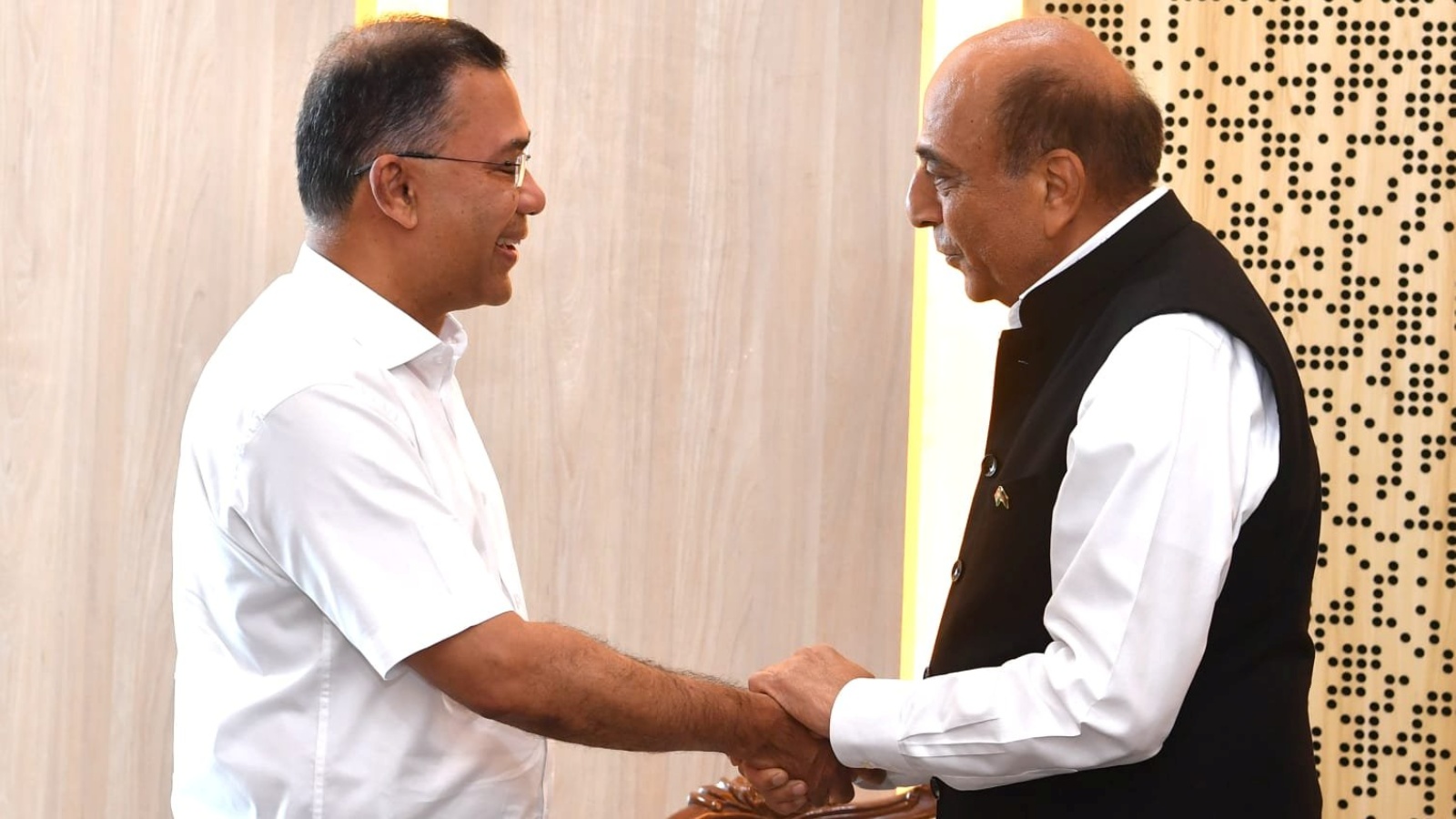
As High Commissioner Dinesh Trivedi attempts to repair strained ties with Bangladesh, critical issues like Sheikh Hasina's extradition and water treaties remain major roadblocks. The future of bilateral relations now rests on New Delhi's political will rather than just diplomatic efforts.
- High Commissioner Dinesh Trivedi is leveraging his political weight to reset India-Bangladesh relations.
- The extradition of former PM Sheikh Hasina remains the primary sticking point for PM Tarique Rahman.
- Critical issues including the 1996 Ganges Water Sharing Treaty and Teesta management are nearing deadlines.
- Economic connectivity and border security continue to be areas of mutual friction and necessity.
The appointment of Dinesh Trivedi as India's High Commissioner to Bangladesh was not a routine diplomatic posting. A former Union Minister with deep roots in West Bengal politics, Trivedi was sent to Dhaka with a specific mandate: political repair. However, his initial meetings with Prime Minister Tarique Rahman have highlighted a stark divide between diplomatic optimism and political reality. While Trivedi emphasizes a "forward-looking" relationship, Rahman has demanded a "conducive environment," specifically calling for the expedited extradition of former PM Sheikh Hasina.
The "Hasina Factor" has become a volatile variable in this equation. Despite assurances in the Indian Parliament that Hasina would not use Indian soil for political activities, her virtual media interactions from Delhi have sparked protests in Dhaka. This perceived contradiction has complicated high-level engagements. Prime Minister Rahman has signaled that his visit to the BRICS summit in New Delhi on September 12-13 is contingent upon progress regarding extradition demands, including those for Hasina and the suspected killers of Osman Hadi.
Why This Matters
BozokMedia analysis shows that the current friction is not merely about individuals but about the institutional trust between two sovereign neighbors. When a cricket series requires ministerial-level diplomatic intervention, it indicates that political mistrust has permeated every layer of societal connection. The shift in West Bengal's internal politics—with the BJP now governing—removes a historical layer of friction, potentially giving New Delhi a clearer path to negotiate without regional political interference.
Diplomacy can open the door, but only decisive policy shifts regarding extradition and water rights can allow the leadership to walk through it.
Beyond the political drama, structural issues loom large. The 1996 Ganges Water Sharing Treaty is set to expire in December 2026, and the Teesta river management remains an open wound after 15 years of stalemate. With China offering alternative support for water management, India faces increasing pressure to deliver tangible results rather than diplomatic platitudes.
Economic ties also face a credibility crisis. While India has committed $8 billion in Lines of Credit, delayed project implementation and trade imbalances lead to a perception in Dhaka that connectivity primarily benefits New Delhi. For the reset to be successful, the economic benefits must be felt by the citizens and businesses of Bangladesh, not just appearing as figures in official communiqués.
The border remains another flashpoint. The verification of over 2,860 suspected Bangladeshi nationals and the recurring tragedy of border killings continue to overshadow diplomatic wins. While BSF-BGB talks have shown improvement, the relationship remains fragile, susceptible to being derailed by a single border incident.
| Issue | India's Position | Bangladesh's Demand |
|---|---|---|
| Sheikh Hasina | Legal process under review | Immediate Extradition |
| Water Treaties | Gradual negotiation | Urgent Teesta resolution |
| Trade | Lines of Credit/Investment | Reduced Imbalance/Faster Customs |
Frequently Asked Questions
1. Why is the extradition of Sheikh Hasina so critical for the current government in Dhaka?
The current administration views her presence in India as a potential threat to stability and a contradiction of India's promise not to allow her to conduct politics from Indian soil.
2. What is the significance of the 1996 Ganges Water Sharing Treaty?
It is the primary legal framework for water distribution between the two nations; its expiration in 2026 could lead to severe water scarcity and diplomatic tension if not renewed.