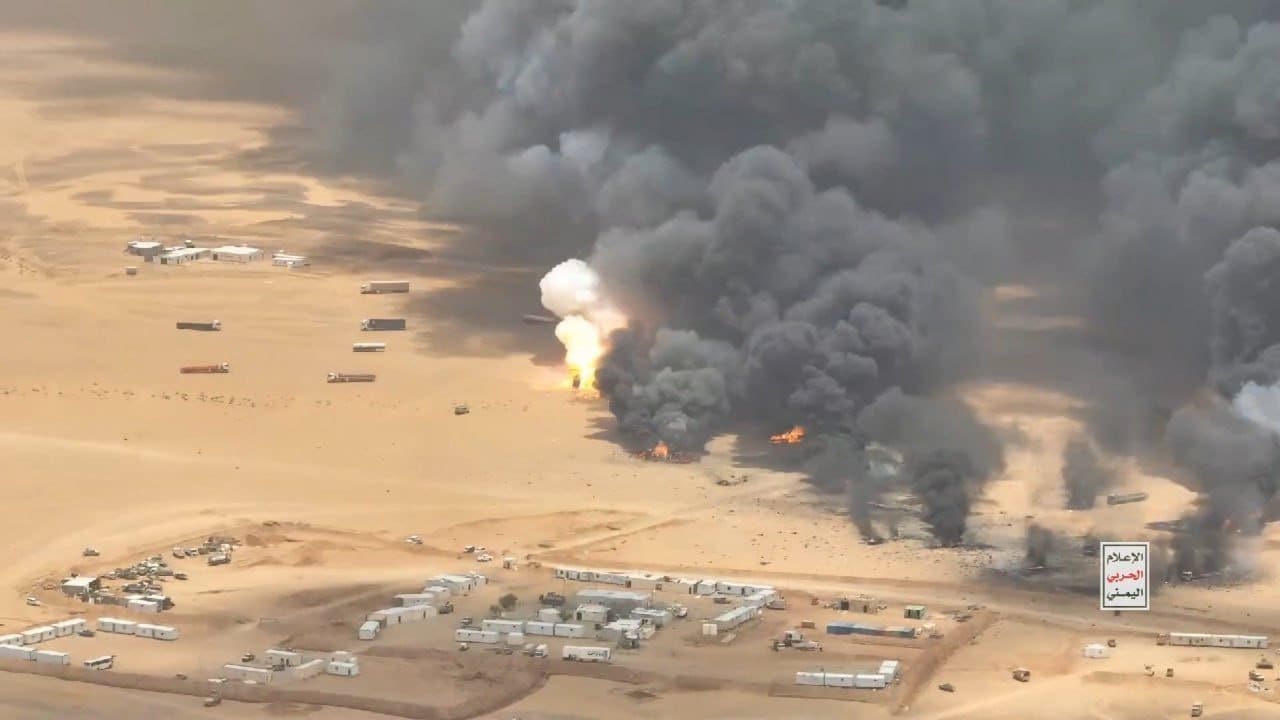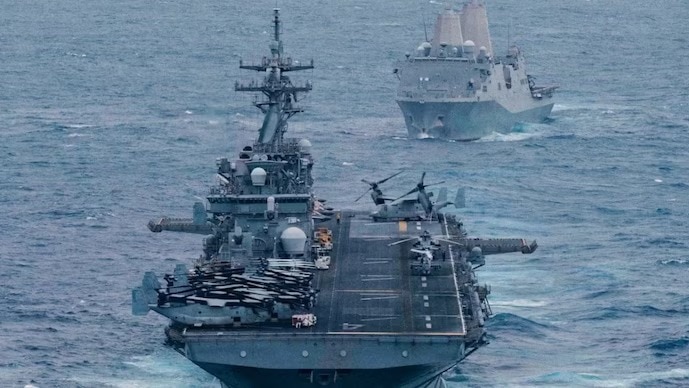
Iran-backed Houthi rebels have launched a massive wave of missile and drone attacks on Saudi oil and military facilities, wounding 73 people and threatening regional energy stability.
- Houthi rebels targeted oil, utility, and military sites in Abha, Jazan, and Najran.
- 73 civilians, including women and children, were wounded in the strikes.
- Major oil infrastructure, including the Jazan refinery, suffered fires and operational halts.
- Over 21,000 people have been displaced in Yemen due to renewed fighting.
In a severe escalation of the Yemen conflict, Iran-backed Houthi rebels launched a coordinated wave of missile and drone attacks on Saudi Arabia this Tuesday. According to Saudi authorities, the strikes wounded 73 people and ignited massive fires at critical oil facilities and utility plants across the kingdom. The Houthis claimed responsibility, stating they targeted economic and military installations in southern Saudi Arabia.
The offensive was triggered by Houthi allegations that Saudi Arabia carried out an airstrike on a prison in Yemen's northern Jawf province, which reportedly killed seven people, including a child. Maj. Gen. Turki al-Malki, spokesperson for the Saudi coalition, confirmed that the rebels hit civilian and economic facilities in Abha, Jazan, Najran, and Khamis Mushait, vowing that the kingdom would retaliate decisively.
Why This Matters
BozokMedia analysis shows that this is not merely a tactical skirmish but a strategic attempt to destabilize the global energy supply chain. By targeting the Jazan refinery—which processes 400,000 barrels per day—the Houthis are demonstrating their ability to hit high-value economic targets. This puts immense pressure on global oil shipping routes and highlights the fragility of the regional security architecture.
"The targeting of critical energy infrastructure marks a shift toward total economic warfare, designed to force diplomatic concessions through financial instability."
In a pre-recorded statement, Houthi military spokesperson Brig. Gen. Yahya Saree detailed the targets, including the King Khalid Air Base and Aramco facilities. Meanwhile, Saudi Foreign Minister Prince Faisal bin Farhan, speaking from Moscow, accused the rebels of pursuing narrow interests over the peace of Yemen, asserting that Saudi Arabia would not hesitate to defend its sovereignty.
Historical Background
The conflict in Yemen dates back to 2014 when Houthi rebels seized the capital, Sanaa. A Saudi-led coalition intervened in 2015 to restore the legitimate government. Over the years, the war has evolved into one of the world's worst humanitarian crises, with UN estimates suggesting at least 150,000 deaths and widespread famine. While a truce in 2022 provided a temporary respite, the situation has deteriorated rapidly in recent weeks.
The human cost continues to mount. According to the World Health Organization (WHO), nearly 194 people were killed between August 23 and September 5. Furthermore, the International Organization for Migration (IOM) reported that 21,000 people were displaced in just 27 hours, with many fleeing for the fourth or fifth time in their lives.
Frequently Asked Questions
Question 1: What triggered the latest Houthi attacks on Saudi Arabia?
The attacks were launched in retaliation for a Saudi airstrike on a prison in Yemen's Jawf province that resulted in several casualties.
Question 2: How does this affect the global oil market?
Attacks on major refineries and utility sites in southern Saudi Arabia can cause temporary supply disruptions and increase volatility in global oil prices.