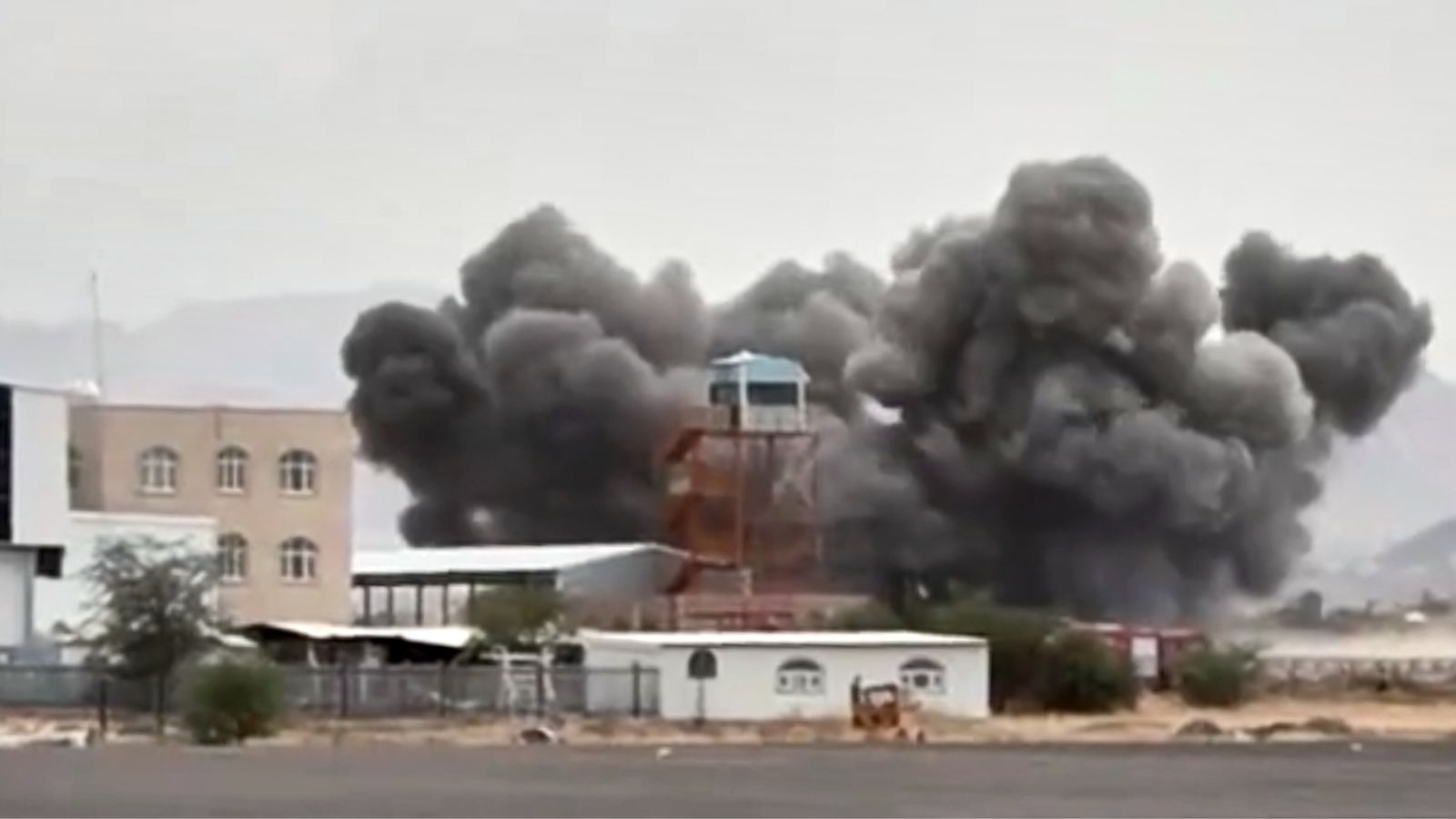
Tehran-backed Houthi rebels have launched devastating strikes on Saudi Arabian energy infrastructure and cities, wounding 73 people and escalating fears of a regional war.
- Houthi rebels targeted Saudi Aramco energy facilities and a strategic airbase.
- At least 73 people wounded across four southern Saudi cities.
- Significant slowdown in commodity vessel traffic in the Red Sea and Strait of Hormuz.
- Heightened tensions between Iran and Saudi Arabia threaten global energy security.
Yemen’s Tehran-backed Houthi rebels launched a series of coordinated attacks on energy facilities and urban centers in Saudi Arabia on Tuesday. According to Colonel Turki al-Malki, spokesperson for the Saudi-led coalition in Yemen, at least 73 people were wounded in strikes targeting four cities in the southern region of the Kingdom.
The attacks specifically targeted Saudi Aramco facilities and a military airbase, utilizing a combination of drones and missiles. This escalation follows a period of heightened tension in the Gulf, where Iran had previously warned that energy infrastructure, including US oil and gas interests, could be vulnerable following a series of tit-for-tat maritime clashes.
Why This Matters
BozokMedia analysis shows that these strikes are not isolated incidents but part of a larger strategy to weaponize energy corridors. By targeting Aramco, the Houthis are not just attacking Saudi Arabia, but are sending a signal to the global market. The vulnerability of the Red Sea and the Strait of Hormuz creates a precarious situation for global supply chains.
"The targeting of critical energy infrastructure by the Houthis is a calculated move to exert maximum economic pressure on Riyadh and the West simultaneously."
Historical Background: The Houthis, who control the most populous regions of northern Yemen, have long been engaged in a conflict with the Saudi-led coalition. However, the intensity has shifted since July, when the group declared a naval blockade against Riyadh. This shift toward maritime warfare has transformed a local conflict into a global economic concern.
The disruption of shipping in the Red Sea has already caused a noticeable slowdown in commodity vessel traffic. With Iran simultaneously restricting movement through the Strait of Hormuz, the world faces a potential bottleneck in the flow of crude oil and liquefied natural gas (LNG).
| Targeted Asset | Immediate Impact | Global Implication |
|---|---|---|
| Aramco Facilities | Infrastructure Damage | Oil Price Volatility |
| Saudi Airbase | Operational Disruption | Regional Military Shift |
| Red Sea Shipping | Traffic Slowdown | Increased Freight Costs |
Frequently Asked Questions
1. Who are the Houthis and why are they attacking Saudi Arabia?
The Houthis are a Zaydi Shia militant group from Yemen, backed by Iran. They are fighting the Saudi-led coalition due to the intervention in the Yemeni Civil War and seek to expand their regional influence.
2. How does this conflict affect global oil prices?
Since Saudi Arabia is a leading global oil exporter and the Red Sea is a primary shipping route, any attack on infrastructure or shipping lanes increases risk premiums, leading to higher gas and oil prices worldwide.