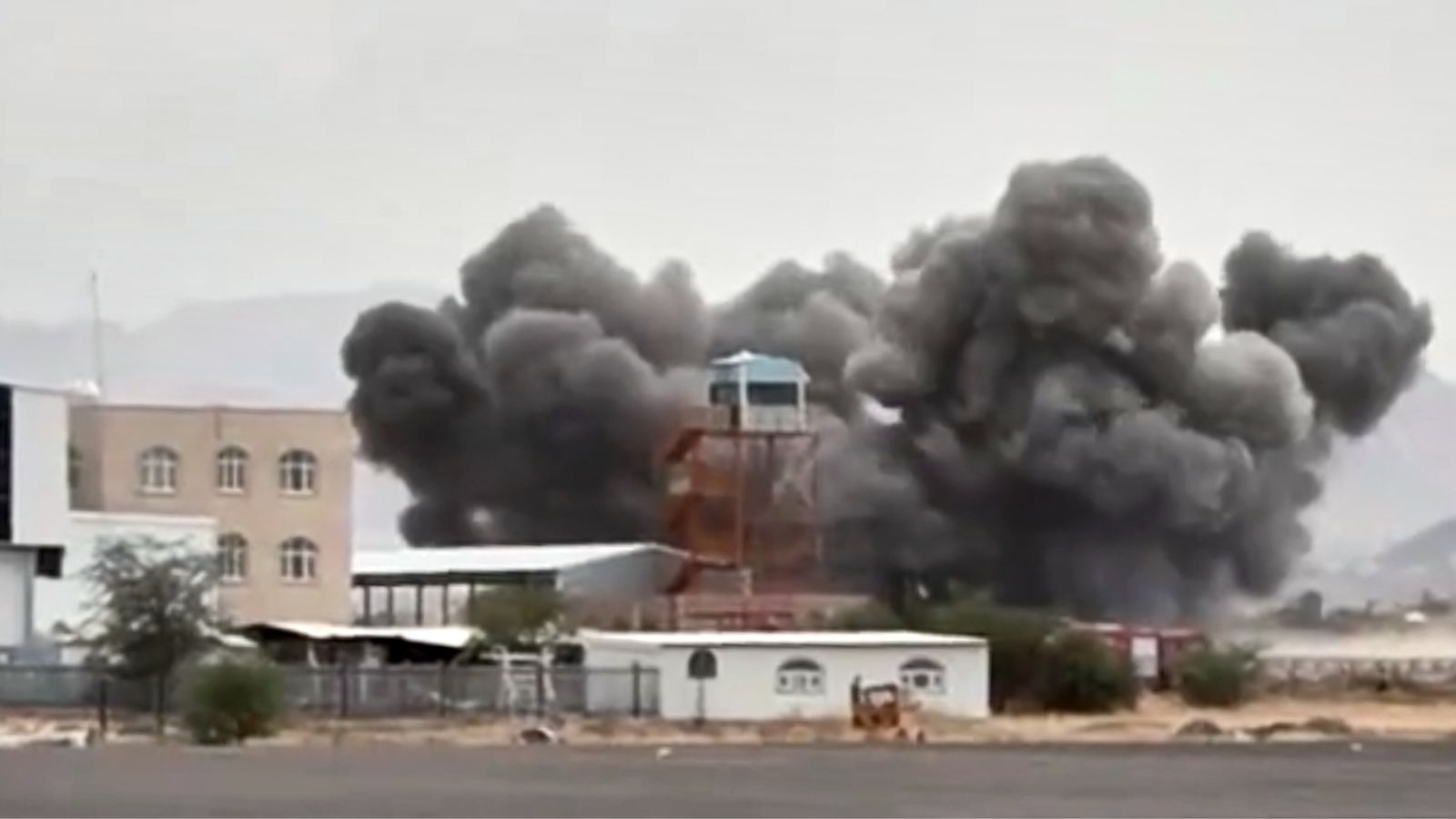
Five major Indonesian airports, including Jakarta's Soekarno-Hatta, have resumed operations after authorities cleared volcanic ash from Mount Anak Krakatau.
- Five airports reopened after volcanic ash clearance operations.
- Over 2,900 flights and 340,000 travelers were impacted.
- Safety inspections are ongoing to ensure aircraft airworthiness.
Indonesia has officially reopened its primary aviation hubs, including the critical Soekarno-Hatta international airport in Jakarta, following a major shutdown caused by volcanic ash from Mount Anak Krakatau. The reopening occurred on Tuesday after intensive cleaning operations were completed to clear runways and essential infrastructure of hazardous volcanic debris.
The eruption caused unprecedented logistical chaos across the archipelago. Reports indicate that approximately 2,900 flights were disrupted, leaving more than 340,000 travelers stranded. Footage from the airport showed emergency services and specialized firefighting equipment working tirelessly to sweep the runways clean to ensure safe landing conditions.
Why This Matters
BozokMedia analysis shows that volcanic ash clouds represent one of the most significant non-human threats to global aviation safety. Unlike typical weather disruptions, volcanic ash contains microscopic glass-like particles that can melt inside jet engines, leading to catastrophic engine failure. This necessitates a slow and meticulous recovery process to maintain public trust and safety.
Transport Minister Dudy Purwagandhi stated, "We are carrying out inspections to ensure that these aircraft are fit to fly; we ask for patience as airworthiness is our priority."
Minister Purwagandhi noted that while operations have resumed, the first aircraft to depart was a cargo plane. He emphasized that the return to a full, normal flight schedule might take additional time as technical teams conduct rigorous inspections on all aircraft operating in the affected zones.
Historical Background
Mount Anak Krakatau is situated in the strait between the islands of Java and Sumatra. It is one of approximately 130 active volcanoes in Indonesia, a nation situated on the Pacific Ring of Fire. This region is characterized by intense tectonic activity where Earth's crustal plates meet. A significant historical event occurred in 2018 when an eruption caused a partial collapse of the volcano, triggering a deadly tsunami that claimed over 400 lives.
Frequently Asked Questions
1. Why were the airports closed in the first place?
The airports were closed to prevent aircraft from flying through volcanic ash, which can cause severe engine damage.
2. Is it safe to fly to Indonesia now?
Authorities are conducting thorough inspections of all runways and aircraft to ensure they meet strict airworthiness standards before full service resumes.