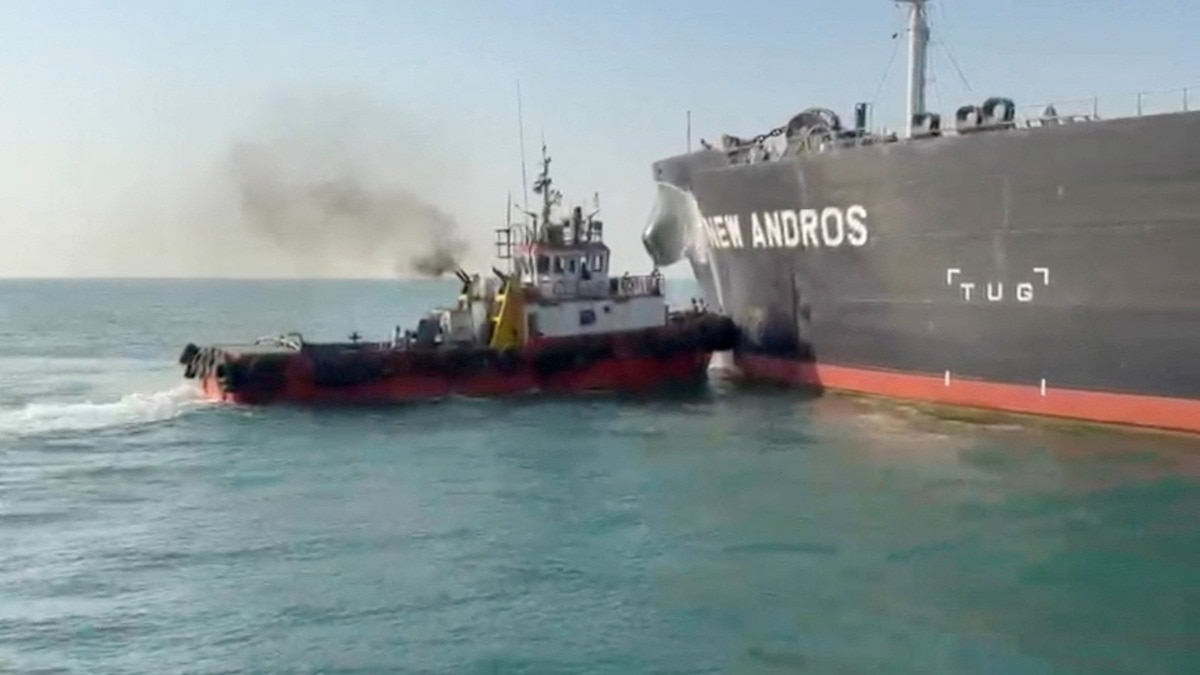
Global oil markets are reeling as crude prices approach the $100 mark following a decisive U.S. military operation that destroyed five Iranian tankers. The move has sparked fears of a wider conflict and severe energy supply disruptions.
- U.S. forces successfully neutralized five Iranian oil tankers.
- Crude oil benchmarks are rapidly approaching the psychological $100 per barrel threshold.
- Heightened geopolitical tension in the Middle East threatens global energy security.
The global energy landscape has been thrown into turmoil following reports that the United States has destroyed five Iranian oil tankers. This aggressive military action has sent shockwaves through the commodities market, causing a sharp spike in crude oil prices as traders price in the risk of a broader escalation.
Market participants are particularly concerned about the potential for retaliatory strikes by Tehran. Any disruption to the Strait of Hormuz—the world's most critical oil transit chokepoint—could lead to an unprecedented supply crunch, potentially pushing prices far beyond the current projections.
Why This Matters
BozokMedia analysis shows that the current price surge is driven by a 'geopolitical risk premium.' In an era of fragile economic recovery, a sustained spike in energy costs could reignite global inflation, forcing central banks to maintain higher interest rates for longer, thereby stifling global growth.
"The intersection of military strategy and energy markets has reached a boiling point, where a single tactical move can trigger a global economic shockwave."
Historically, the U.S.-Iran rivalry has been a primary driver of oil volatility. From the 1979 revolution to the recent 'maximum pressure' campaigns, the threat of sanctions and military action has consistently kept the market on edge. The current escalation represents a significant shift toward direct kinetic action against economic assets.
| Metric | Pre-Incident | Post-Incident |
|---|---|---|
| Crude Price Range | $85 - $92 | ~$98 - $99 |
| Market Sentiment | Cautious | Highly Volatile |
| Supply Risk Level | Low/Moderate | Critical |
Frequently Asked Questions
Q1: Will oil prices stay above $100?
A: It depends on Iran's response. If the conflict remains localized, prices may stabilize; however, a blockade would send prices skyrocketing.
Q2: How does this affect global consumers?
A: Higher crude prices typically translate to higher gasoline and heating oil costs, increasing the cost of living globally.