U.S. President Donald Trump claims Vladimir Putin is eager to end the Ukraine war, but asserts that the mutual hatred between Putin and Zelenskyy is preventing a breakthrough.
- Donald Trump suggests Vladimir Putin is open to a deal to end the conflict.
- Personal friction between Putin and Zelenskyy identified as the primary barrier to peace.
- Special envoys Steve Witkoff and Jared Kushner recently visited Moscow and Kyiv.
- Intelligence agencies remain skeptical of Russia's true intentions.
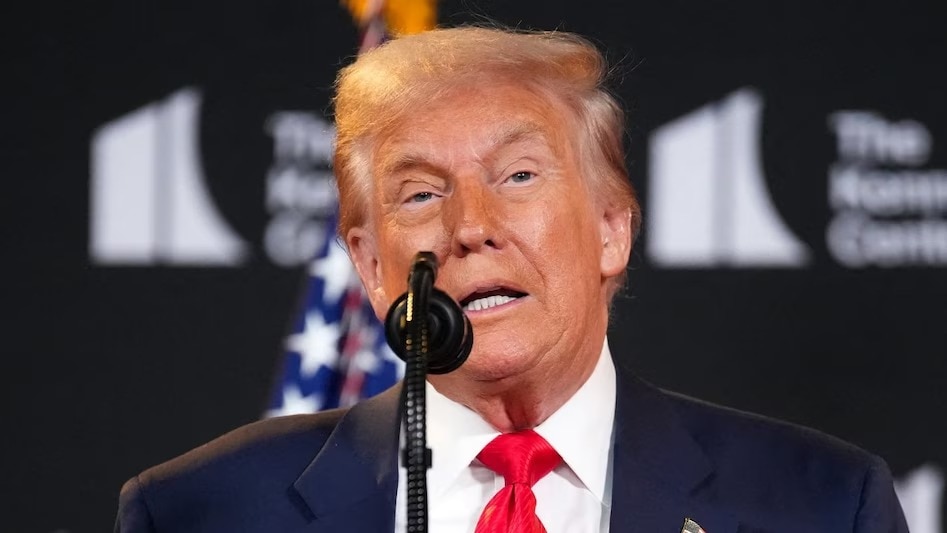
In a high-stakes revelation, U.S. President Donald Trump has claimed that Russian President Vladimir Putin is looking for a way to exit the war in Ukraine through a negotiated deal. Speaking to reporters at Joint Base Andrews in Maryland before departing for Texas, Trump suggested that the appetite for peace exists, provided that Ukrainian President Volodymyr Zelenskyy is also willing to compromise.
The core of the issue, according to Trump, is not merely territorial or political, but deeply personal. Trump asserted that the profound mutual dislike between Putin and Zelenskyy is the single greatest obstacle to a ceasefire. He noted that both leaders have become exhausted by the grueling nature of the conflict, which has persisted for over four years.
Why This Matters
BozokMedia analysis shows that Trump is attempting to pivot the narrative of the war from a clash of ideologies to a clash of personalities. By framing the conflict as a personal dispute, Trump positions himself as the only mediator capable of bridging the gap. However, this simplifies a complex geopolitical struggle involving NATO and sovereign borders, making the actual path to peace far more precarious than a simple phone call.
The claim follows a series of discreet diplomatic maneuvers. U.S. Special Envoy Steve Witkoff and Jared Kushner recently returned from high-level visits to Moscow and Kyiv, where they discussed potential frameworks for ending the hostilities. Additionally, CIA Director John Ratcliffe previously met with Russian officials in Moscow to gauge their willingness to negotiate.
"When geopolitical conflicts are reduced to personal grievances, the solution requires a mediator who can bypass ego to reach a strategic consensus."
Despite the optimism expressed by the President, the U.S. intelligence community and European allies remain wary. Many officials believe that Putin is not genuinely committed to a lasting peace and may be using the prospect of a deal as a tactical pause to regroup his forces or weaken Western resolve.
Frequently Asked Questions
Q1: Why does Donald Trump believe the war is continuing despite Putin's alleged desire for a deal?
A: Trump believes the personal hatred and poor relationship between Vladimir Putin and Volodymyr Zelenskyy are the primary reasons negotiations have stalled.
Q2: Who are the key American figures involved in the recent peace efforts?
A: Steve Witkoff and Jared Kushner have acted as envoys to Russia and Ukraine, and CIA Director John Ratcliffe has engaged with Russian officials.