As the BRICS summit convenes in New Delhi, senior negotiators are struggling to draft a joint declaration amid escalating conflict between the US, Iran, and UAE in West Asia.
- India is hosting the BRICS Summit in New Delhi with a focus on 'Resilience, Innovation, Cooperation, and Sustainability'.
- Intense diplomatic friction between Iran and the UAE over the West Asia war is hindering a consensus joint declaration.
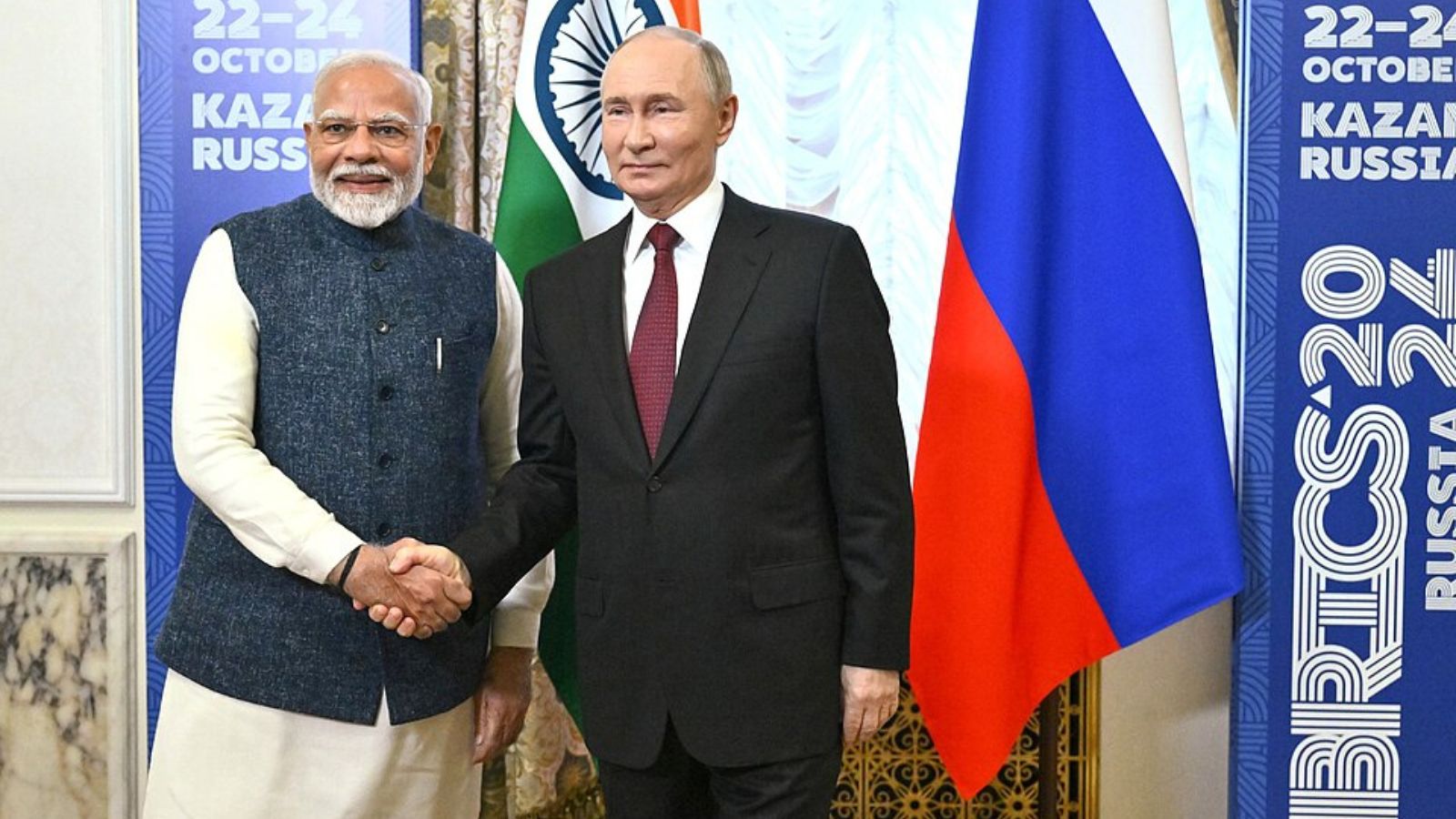
- PM Narendra Modi is scheduled for crucial bilateral meetings with Vladimir Putin and Masoud Pezeshkian.
- The summit aims to push for a multipolar world order prioritizing the Global South.
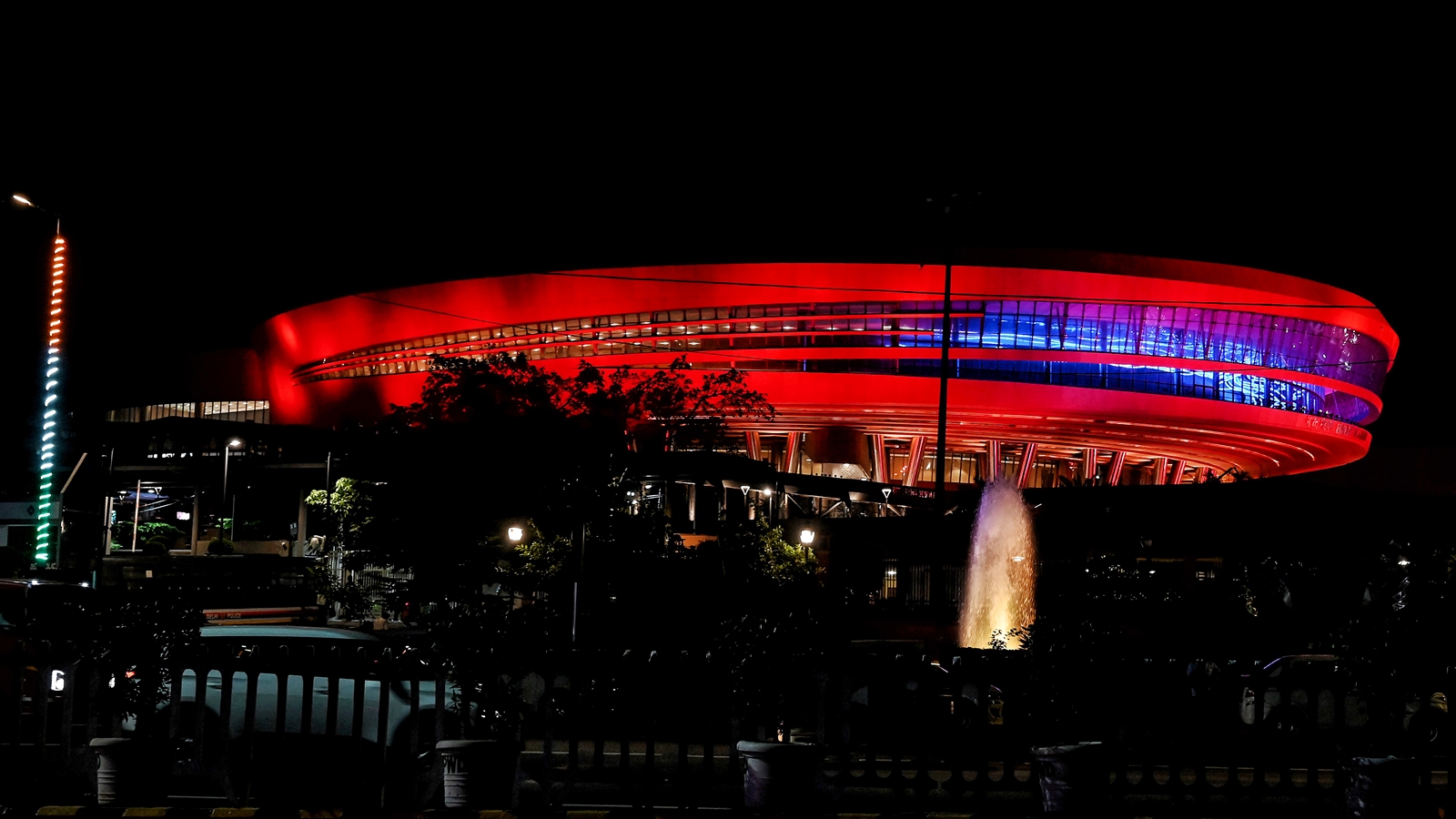
The Bharat Mandapam in New Delhi is set to host one of the most contentious diplomatic gatherings of the year. With West Asia currently 'on boil' following a series of strikes between the US and Iran, the BRICS Sherpas—the lead negotiators for the 11-member bloc—are working tirelessly to finalize a joint declaration for the leaders' summit on September 12-13.
The primary point of friction is the formulation of language regarding the conflict in West Asia. The presence of Iran, the UAE, and Saudi Arabia at the same table has created a diplomatic minefield. Since the US and Israel attacked Iran on February 28, Tehran has retaliated against US bases in the Gulf, including those in the UAE, leaving the two BRICS members at loggerheads for the past six months.
Why This Matters
BozokMedia analysis shows that India is performing a delicate tightrope walk. By hosting this summit, New Delhi is attempting to position itself as the indispensable bridge between the non-Western powers of BRICS and its strategic partnerships with the West. Success in mediating a consensus document would cement India's role as a leader of the Global South and a stabilizer in volatile geopolitical climates.
"The ability of BRICS to produce a unified statement amidst such internal volatility will be the ultimate litmus test for the grouping's institutional maturity."
The economic stakes are equally high. The ongoing crisis in the Strait of Hormuz has sent global energy prices soaring, an issue India is keen to address in the joint declaration. The summit will begin with a closed-door session on 'Inclusive Global Governance and Strengthening Multilateralism', followed by a tour of the 'Bharat Innovates Exhibition'.
India's chairship is structured around four pillars: Resilience, Innovation, Cooperation, and Sustainability. Under the Innovation pillar, the focus remains on Digital Public Infrastructure (DPI) and AI, while the Resilience pillar targets food and energy security—critical needs for the developing world.
| Focus Area | India's Strategic Goal | Primary Obstacle |
|---|---|---|
| Geopolitics | Multipolar World Order | Iran-UAE Conflict |
| Economy | Energy Security | Hormuz Strait Volatility |
| Technology | AI & Startups Cooperation | Trade/Investment Curbs with China |
Frequently Asked Questions
1. Which world leaders are attending the New Delhi summit?
Confirmed attendees include Russian President Vladimir Putin, Chinese President Xi Jinping, Iranian President Masoud Pezeshkian, and South African President Cyril Ramaphosa.
2. What is the significance of the 'Sherpas' in this process?
Sherpas are senior diplomats who do the heavy lifting of negotiating the text of the final declaration before the leaders meet, ensuring that the summit focuses on high-level agreement rather than drafting disputes.