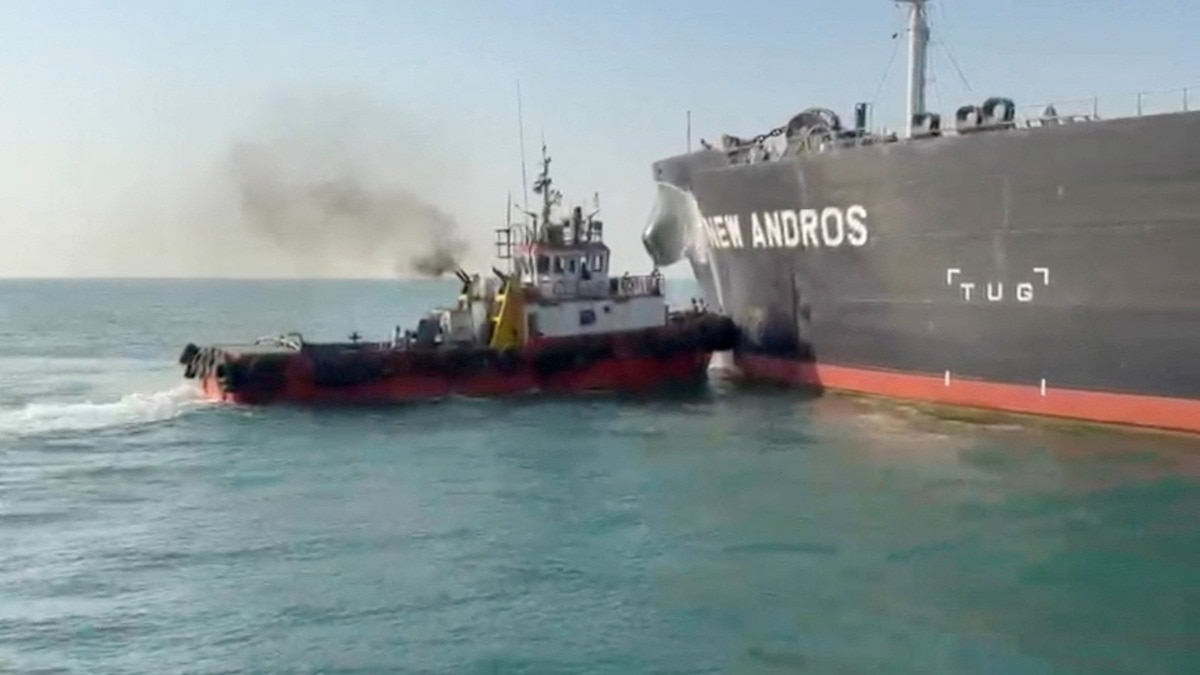
A surge in violence has gripped Yemen as Houthi rebels report over 50 Saudi airstrikes targeting key provinces. The escalation follows a series of drone attacks on Saudi oil sites, threatening global energy markets and regional stability.
- Over 50 Saudi airstrikes targeted Al-Jawf, Marib, Taiz, Hodeida, and Saada.
- The conflict is linked to a broader West Asia war involving US, Israel, and Iran.
- Oil prices have spiked to $100 per barrel due to Red Sea shipping instability.
- The strategic port of Hodeida is identified as a primary military objective.
The fragile peace in Yemen has completely shattered as the Houthi rebels reported a massive wave of Saudi Arabian airstrikes on Wednesday, September 9, 2026. According to Houthi military spokesman Yahya Saree, the Saudi air force conducted 54 strikes across multiple provinces, including the flashpoint regions of Taiz and Hodeida. This sudden surge in violence marks a dangerous return to full-scale hostilities in a nation already devastated by years of war.
The escalation is not an isolated event but is deeply intertwined with the wider West Asia war, which erupted in February following US-Israeli strikes on Iran. This regional conflagration has sucked in the energy-rich Gulf states and turned the Red Sea into a primary battleground. The Houthis, backed by Iran, have recently intensified their offensive to seize territory around the Bab al-Mandab strait, a critical chokepoint for global maritime trade.
Why This Matters
BozokMedia analysis shows that this is no longer just a civil war for control of Sanaa, but a strategic proxy battle for the control of global energy arteries. With Iran's blockade of the Strait of Hormuz, the Red Sea route has become the primary lifeline for oil exports. By threatening this route and attacking Saudi oil infrastructure, the Houthis are exerting immense leverage over the global economy, as evidenced by oil prices returning to the $100 per barrel mark.
The capture of Hodeida would not only be a military victory for Saudi-backed forces but a strategic strangulation of the Houthi supply chain.
The humanitarian cost is already staggering. The International Organization for Migration reports that nearly 20,000 people have fled the fighting, with many trapped in makeshift camps near Khokha. Furthermore, the death toll from a recent strike on a prison has climbed to 32, highlighting the indiscriminate nature of the current aerial campaign.
Historically, Yemen's conflict saw a brief respite following a UN-brokered ceasefire in 2022. However, the current cycle of violence was triggered in July 2026 when the Houthis allowed an Iranian aircraft to land in Yemeni airspace, prompting a retaliatory strike on the airport by Saudi-backed forces. This spark has reignited a fire that once left hundreds of thousands dead.
| Feature | 2015-2022 Conflict | 2026 Escalation |
|---|---|---|
| Primary Driver | Internal Power Struggle | Regional West Asia War Proxy |
| Key Target | Sanaa / Government Hubs | Oil Sites / Red Sea Straits |
| Global Impact | Humanitarian Crisis | Global Energy Price Volatility |
Frequently Asked Questions
Q1: Why is the city of Hodeida so important?
Hodeida is a critical port city that serves as the primary entry point for civilian aid and military supplies for the Houthis; its loss would be a devastating strategic blow.
Q2: How has this conflict affected global oil prices?
Threats to the Red Sea shipping routes and attacks on Saudi oil facilities have created market instability, pushing prices back up to $100 per barrel.