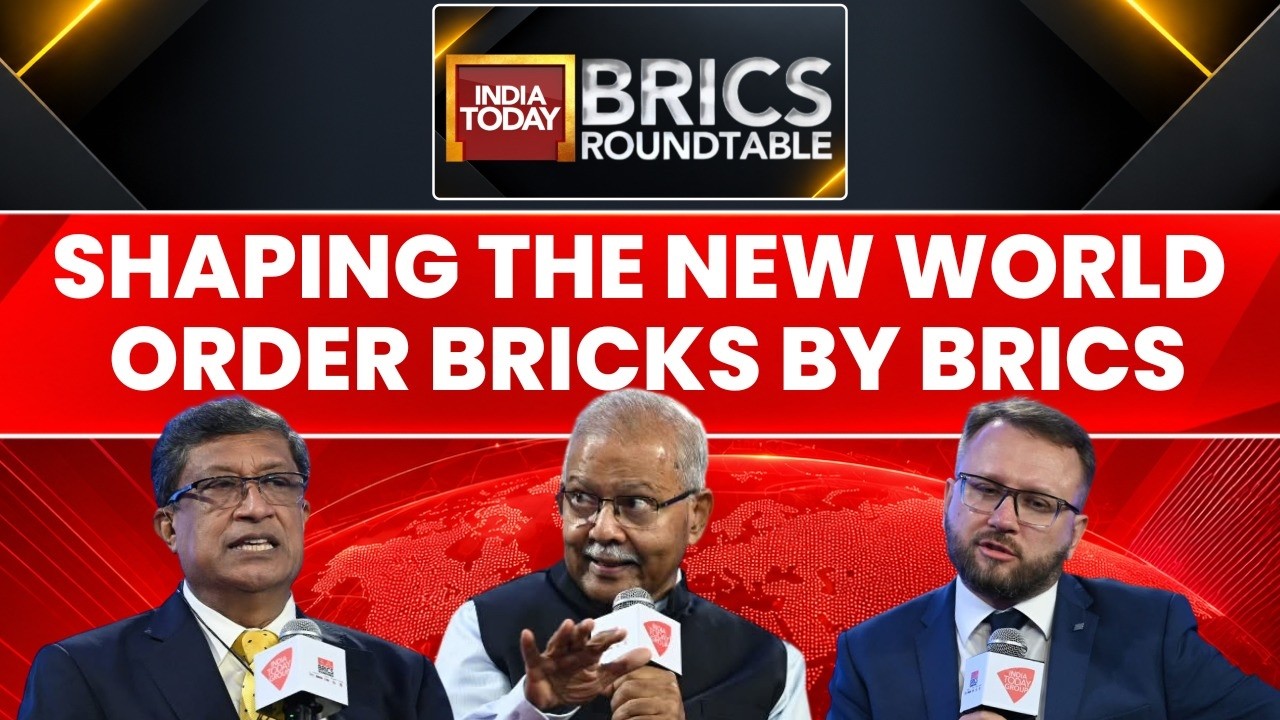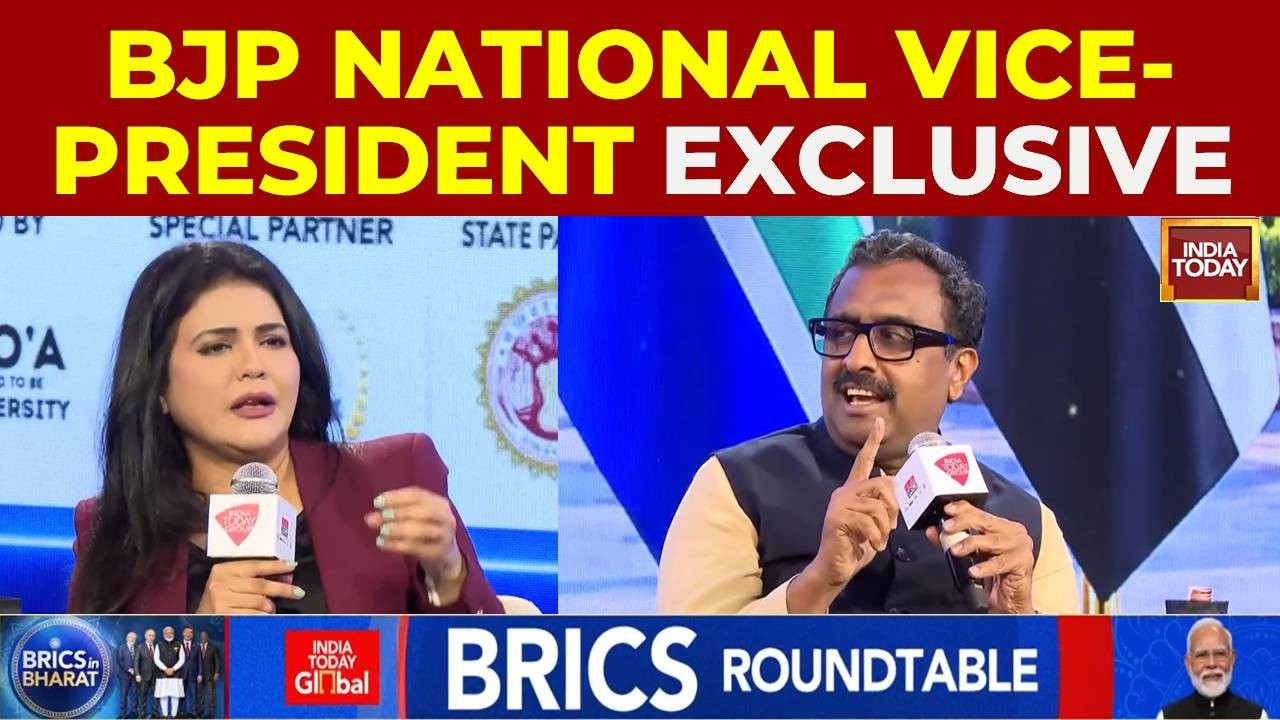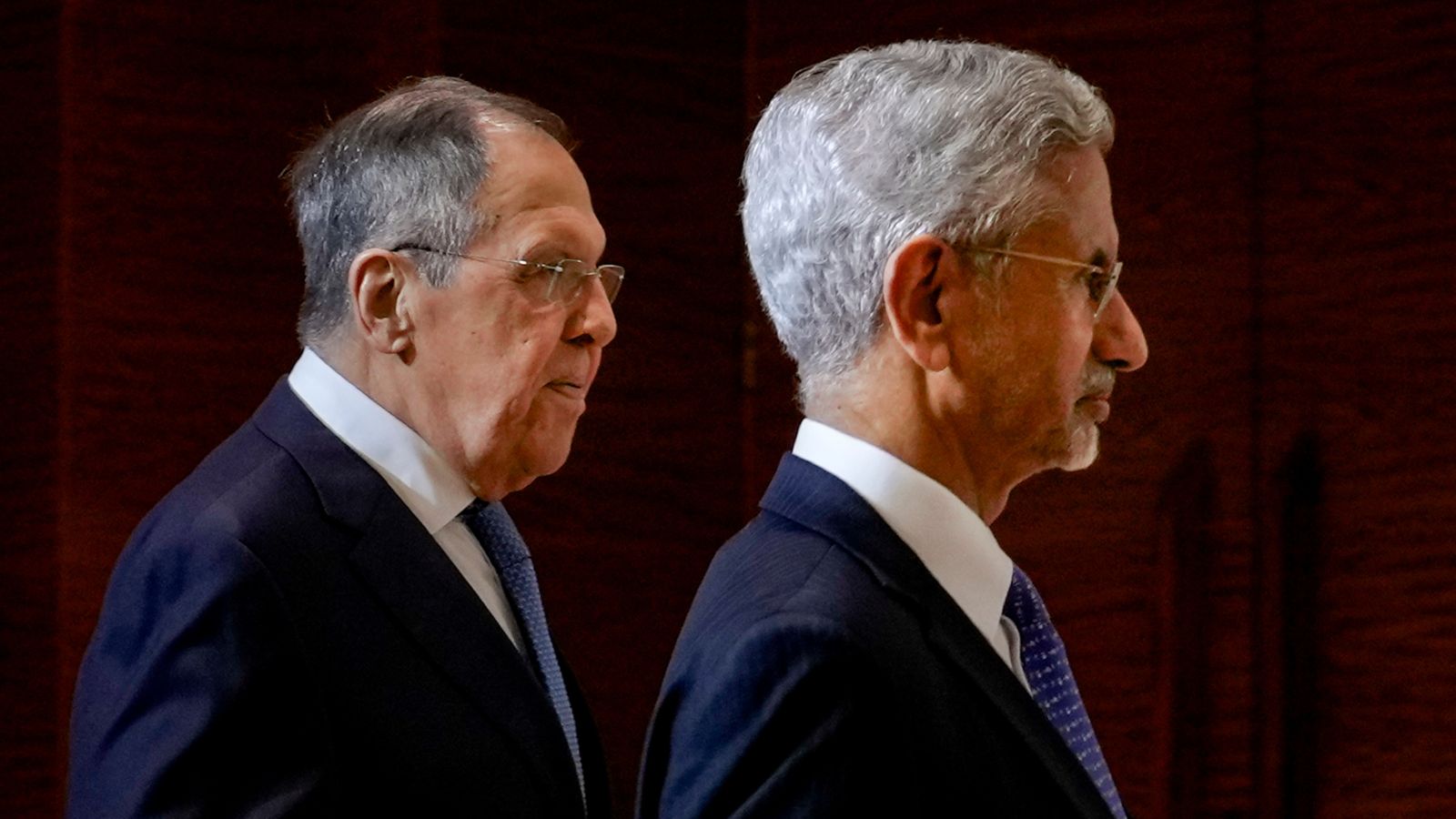
BRICS has evolved from a loose economic grouping into a formidable platform for the Global South, challenging Western hegemony through financial independence and multipolar diplomacy.
- BRICS functions as a reformist, non-Western organization rather than an anti-Western bloc.
- The New Development Bank (NDB) provides critical infrastructure funding without political conditionalities.
- Intra-BRICS trade has surged 13-fold since 2003, reaching $1.17 trillion by 2024.
- India leverages BRICS to act as a strategic bridge between the West and developing nations.
Over the past two decades, BRICS has undergone a massive transformation. What began as a loose grouping of five emerging economies has now become the most influential organization representing the Global South. Driven by the sustained commitment of leaders like Narendra Modi, Xi Jinping, and Vladimir Putin, the bloc is redefining global governance at a time when traditional institutions are faltering.
The current global landscape is marked by an unprecedented transition. The United Nations has struggled to protect sovereign states from hegemonic ambitions, while the World Trade Organization (WTO) has become largely dysfunctional. In this vacuum, the World Bank and IMF are seen as inadequate for the needs of emerging states, making BRICS a vital platform for these nations to voice their concerns and chart a collective strategy.
Why This Matters
BozokMedia analysis shows that the true strength of BRICS lies in its heterogeneity. By encompassing diverse political systems—ranging from democracies to theocracies—and vastly different economic scales, it proves that shared strategic interests can override ideological divides. This plurality allows the bloc to advocate for a multipolar world order where power is not concentrated in a single Western capital.
| Feature | Traditional Institutions (IMF/WB) | BRICS (NDB) |
|---|---|---|
| Conditionalities | High political requirements | No political conditionalities |
| Orientation | Western-centric | Non-Western/Pluralist |
| Currency Focus | US Dollar Dominance | Promotion of Local Currencies |
A pivotal achievement for the bloc has been the establishment of the New Development Bank (NDB) and the Contingent Reserve Arrangement (CRA). The NDB has already financed 120 sustainable infrastructure projects worth approximately $39 billion. Crucially, 30% of its financing is now provided in local currencies, reducing the reliance on the US dollar and shielding member states from US monetary policy shocks.
BRICS does not seek to create a new world order; it seeks to democratize the existing one by shifting from a unipolar to a multipolar orientation.
Economically, the bloc is a powerhouse, accounting for over 20% of global trade. According to UNCTAD, intra-BRICS trade has grown exponentially from $84 billion in 2003 to $1.17 trillion in 2024. This surge is attributed to lower tariffs and the strategic removal of supply chain constraints. Furthermore, the shift toward settling trade in local currencies between India, Russia, China, and the UAE is a significant step toward 'de-dollarization'.
For India, BRICS serves as a unique diplomatic tool. New Delhi is strategically positioning itself as the leading voice of the Global South, acting as a mediator between Western interests and the needs of developing economies. While the summit focuses on technological and developmental cooperation, its ultimate test will be its ability to mediate conflicts in Ukraine and Iran.
Frequently Asked Questions
Is BRICS an anti-Western organization?
No, BRICS identifies as a non-Western organization. Its goal is reformist and pluralist, seeking the democratization of international institutions rather than the destruction of existing ones.
Will BRICS launch a common currency soon?
While there is a strong push for trade in local currencies to reduce dollar dependence, a common BRICS currency is unlikely in the near-term due to the vast economic disparities among members.