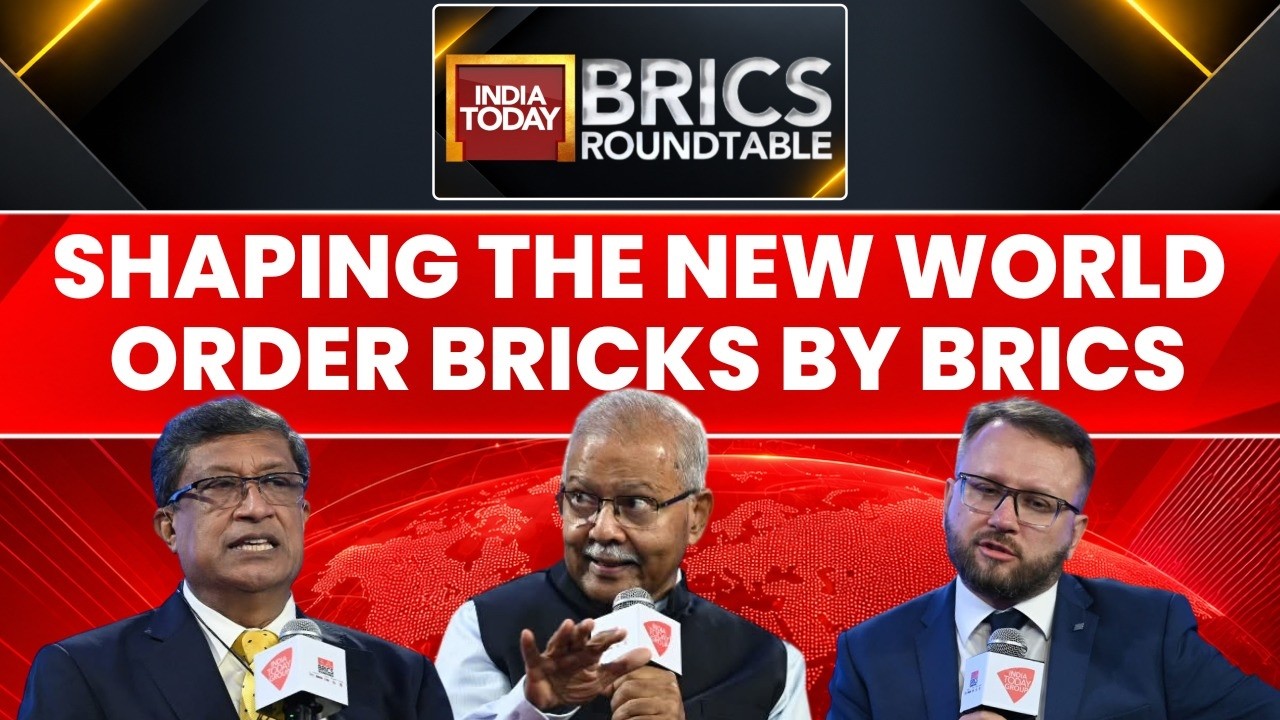
As the BRICS 2026 Summit approaches, experts analyze the critical balance between India-China bilateral friction and the collective goal of representing the Global South in global governance.
- BRICS has emerged as the primary voice for the Global South.
- India-China border and trade disputes are managed via bilateral channels, not multilateral forums.
- Concerns raised over 'hetero polarity' and the undue influence of tech giants in AI.
The BRICS Summit 2026 is poised to be a pivotal moment in international diplomacy. Amidst ongoing global frictions regarding conflicts in Palestine and Ukraine, the summit aims to foster a consensus that reflects the interests of emerging economies. India's proven track record in facilitating consensus during the Bali and New Delhi G20 summits provides a blueprint for success in the upcoming BRICS gathering.
A central point of discussion remains the complex relationship between India and China. With a trade relationship valued at $159 billion, the trade deficit exceeds $100 billion, creating significant economic pressure. Furthermore, the Line of Actual Control (LAC) disputes continue to strain ties. However, strategic analysts emphasize that these issues are strictly compartmentalized, handled through dedicated bilateral channels to prevent them from stalling multilateral progress.
Why This Matters
BozokMedia analysis shows that India is strategically leveraging its membership in contrasting groups like the Quad and BRICS. This 'multi-alignment' strategy allows India to maintain security ties with the West while leading the Global South. By doing so, India ensures it remains indispensable to both geopolitical blocs.
"BRICS is no longer just an economic club; it is a geopolitical statement against the unipolarity of the past."
The discussion also brings to light the concept of 'hetero polarity'. In the modern era, power is no longer concentrated solely in the hands of sovereign states. Non-governmental actors and massive tech corporations, investing hundreds of billions into AI and robotics, now wield influence that can rival mid-sized nations, posing a new challenge to traditional global governance.
Historically, BRICS has sought to reform the 'Bretton Woods' institutions, arguing that the IMF and World Bank do not adequately represent the current global economic reality. The 2026 summit is expected to push for a more equitable distribution of power in global financial decision-making.
| Factor | Bilateral Approach (India-China) | Multilateral Approach (BRICS/G20) |
|---|---|---|
| Primary Focus | Border Disputes & Trade Deficit | Global Governance & Economic Growth |
| Mechanism | Direct Diplomatic Channels | Consensus-based Declarations |
Frequently Asked Questions
1. Will the India-China border dispute hinder the BRICS summit?
Unlikely, as both nations prefer to keep bilateral disputes separate from multilateral cooperation to maintain global stability.
2. What is 'hetero polarity' in a geopolitical context?
It refers to a world where power is diffused among various actors, including states, tech giants, and financial entities, rather than a single superpower.