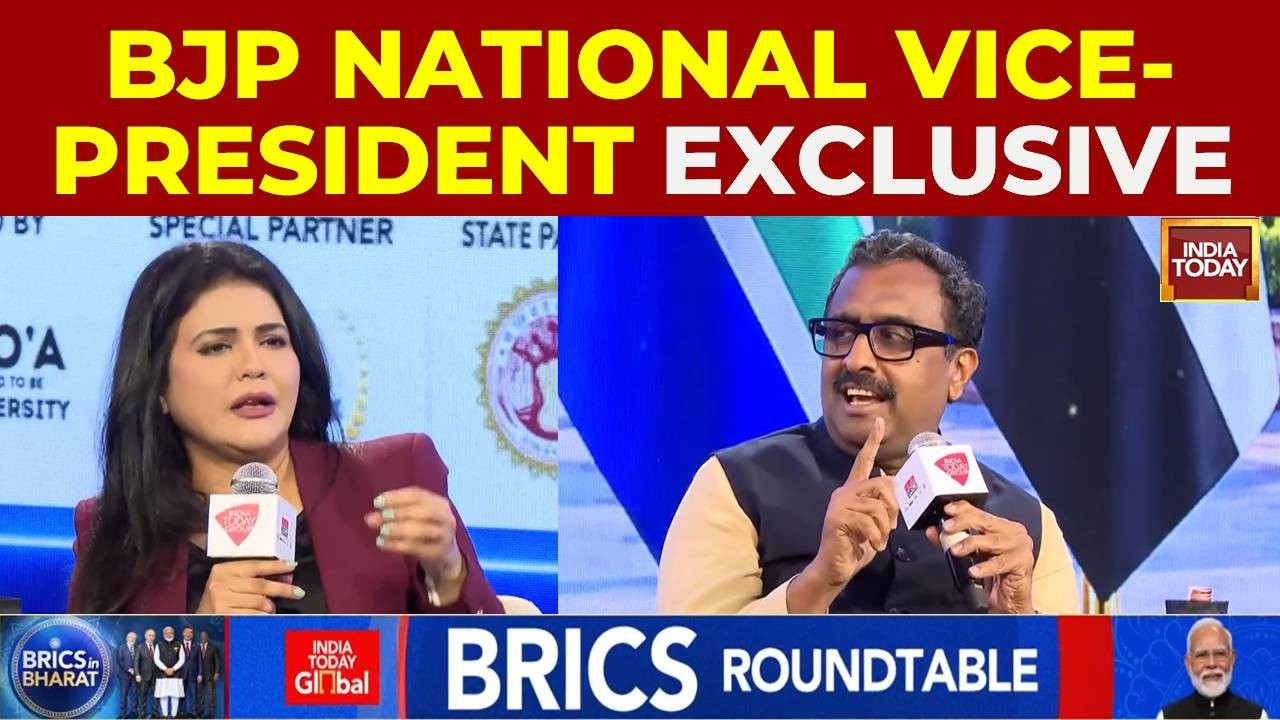
Former External Affairs Minister Salman Khurshid critiques India's shift from non-alignment to multi-alignment and emphasizes the need for consensus within BRICS to lead the Global South.
- BRICS must resolve internal divisions before attempting to bridge broader global political divides.
- Salman Khurshid argues that 'multi-alignment' is an escape, whereas 'non-alignment' was a realistic national posture.
- Reiteration of India's historical support for a two-state solution in West Asia.
In light of the upcoming 18th BRICS summit hosted in New Delhi, former External Affairs Minister and senior Congress leader Salman Khurshid has provided a critical analysis of India's foreign policy and its role within multilateral groupings. Khurshid asserted that for India to effectively mediate global political divisions, its primary objective must be to bridge the divides existing within the BRICS bloc itself.
A central theme of his discourse was the evolution of India's diplomatic stance. He argued that the traditional policy of Non-Alignment was a realistic national posture that represented the collective interest of the Indian state. In contrast, he characterized the contemporary approach of 'multi-alignment' as an 'escape,' suggesting it lacks the foundational stability of its predecessor.
Why This Matters
BozokMedia analysis shows that this critique touches upon the core of India's current geopolitical strategy. As India seeks to position itself as a 'Vishwa Mitra' (friend of the world), the tension between maintaining strategic autonomy and engaging in multiple contradictory alliances becomes apparent. If BRICS continues to expand without a cohesive ideological framework, the risk of paralysis in decision-making increases.
"Multi-Alignment is an escape, Non-Alignment was realistic."
Addressing the volatile situation in West Asia, Khurshid emphasized India's long-standing commitment to a two-state solution for Palestine. He maintained that India should continue to condemn wrongs while advocating for outcomes based on international justice and law.
Furthermore, he warned that the rapid expansion of multilateral groupings could inadvertently weaken the ability to reach a consensus. He advocated for enhanced economic resilience and sustained, constructive dialogue with global powers to ensure that these platforms remain relevant and effective.
Frequently Asked Questions
Q1: Why does Salman Khurshid view non-alignment as more realistic?
A: He believes non-alignment was a principled national stance, whereas multi-alignment is a reactive strategy to avoid picking sides.
Q2: What is the primary risk of expanding the BRICS group?
A: The primary risk is the dilution of consensus, making it harder for the group to agree on concrete actions or policies.