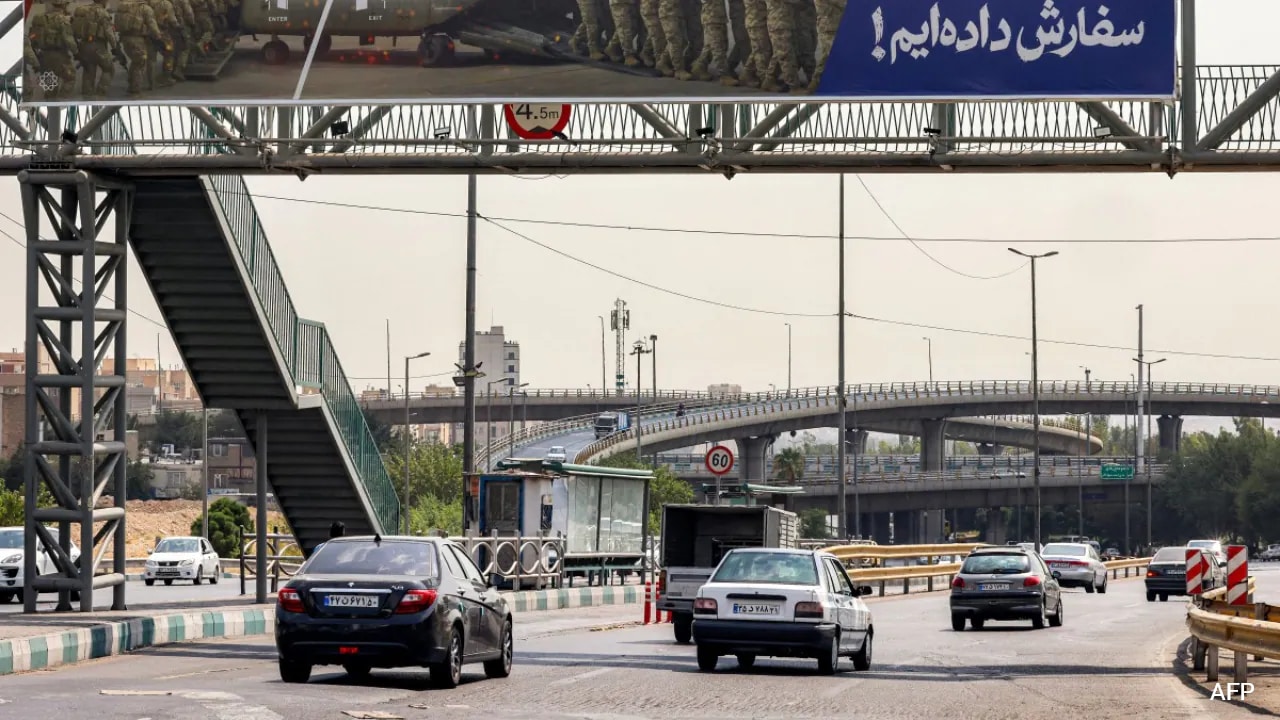
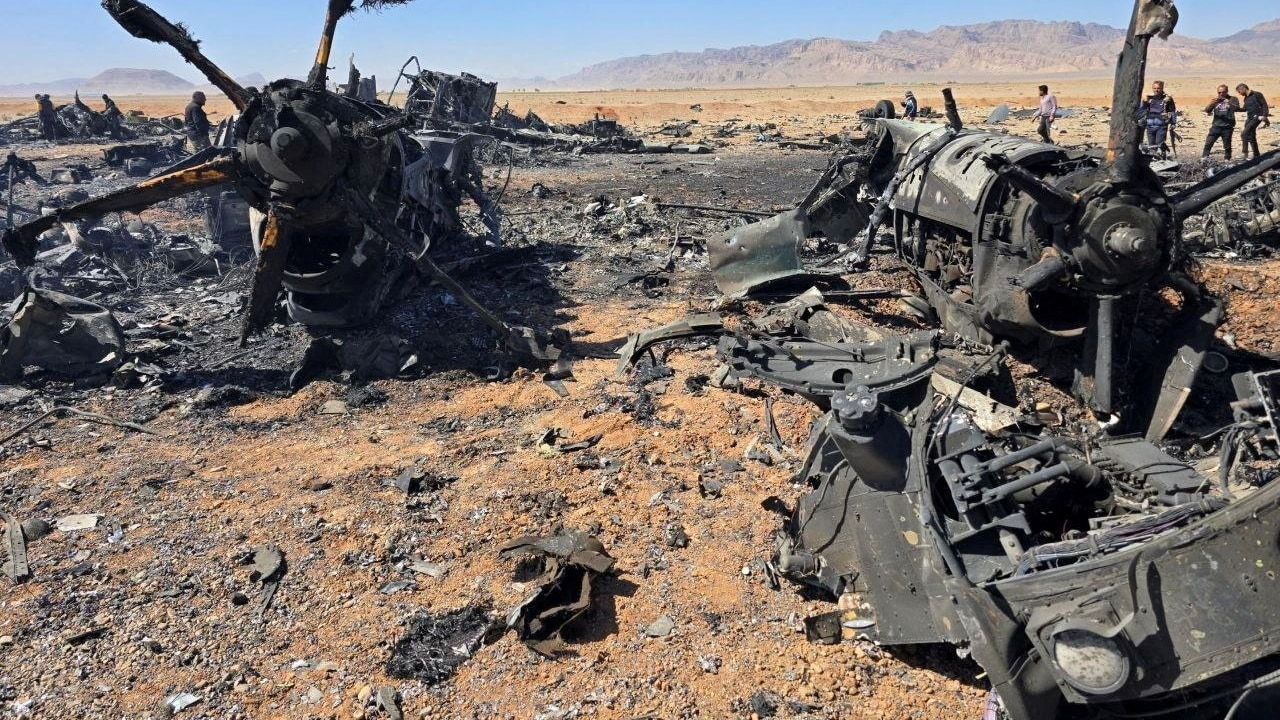
In a high-stakes speech at the Pentagon, Donald Trump and nominee Pete Hegseth linked the ongoing conflict with Iran to the legacy of the 9/11 attacks, signaling a hardline shift in U.S. defense strategy.
- Donald Trump and Pete Hegseth emphasized a confrontational stance toward Iran at the Pentagon.
- The rhetoric explicitly linked Iranian aggression to the roots of the 9/11 terrorist attacks.
- Indications of a 'Peace through Strength' doctrine dominating the upcoming U.S. defense agenda.
During a high-profile appearance at the Pentagon, former President Donald Trump and his nominee for Secretary of Defense, Pete Hegseth, delivered a speech that has sent ripples through the international community. Trump strategically framed the ongoing tension with Iran not merely as a geopolitical rivalry, but as a continuation of the fight against the same brand of terrorism that culminated in the September 11, 2001, attacks.
Hegseth, speaking alongside Trump, advocated for an uncompromising approach to national security and a 'zero-tolerance' policy toward state-sponsored terrorism. He argued that Iran's nuclear ambitions and its network of regional proxies pose a direct threat to the American homeland, echoing the urgency felt in the immediate aftermath of 9/11. This rhetoric suggests that the second Trump administration will prioritize maximum pressure over diplomatic engagement.
Why This Matters
BozokMedia analysis shows that invoking 9/11 is a calculated move to shift the public and military narrative. By framing the Iran issue as a matter of counter-terrorism rather than regional diplomacy, the administration creates a moral and security imperative for aggressive action. This could lead to a significant escalation in the Middle East, potentially altering the regional power balance.
"By tying Iran to 9/11, Trump is redefining the Iranian regime as an existential threat rather than a diplomatic adversary, justifying more drastic military measures."
Historically, the U.S.-Iran relationship has been defined by hostility since the 1979 Islamic Revolution. During his first term, Trump withdrew the U.S. from the Joint Comprehensive Plan of Action (JCPOA) and ordered the drone strike that killed General Qasem Soleimani, bringing the two nations to the brink of all-out war. The current rhetoric suggests a return to—and intensification of—that approach.
Industry analysts believe that the appointment of Hegseth, combined with this specific messaging, signals a desire to purge the Pentagon of 'globalist' tendencies and replace them with a focused, nationalist defense strategy. The focus is now squarely on eliminating threats that are perceived as direct extensions of the 9/11 era of terrorism.
Frequently Asked Questions
1. Why did Trump link Iran to the 9/11 attacks?
To frame Iran's state-sponsored activities as a primary security threat equivalent to the terrorism that caused the 9/11 attacks, thereby justifying a hardline military stance.
2. Who is Pete Hegseth?
Pete Hegseth is a former military officer and media personality nominated by Donald Trump to serve as the U.S. Secretary of Defense.