BRICS members unanimously approved the Delhi Declaration, condemning the Pahalgam terror attack, backing India’s bid for a UN Security Council seat, and rejecting unilateral tariffs. The document signals a strategic shift in the bloc’s global agenda.
- Strong condemnation of the Pahalgam terrorist attack
- Support for India’s UN Security Council membership
- Rejection of unilateral tariffs and trade barriers
What the Delhi Declaration Entails
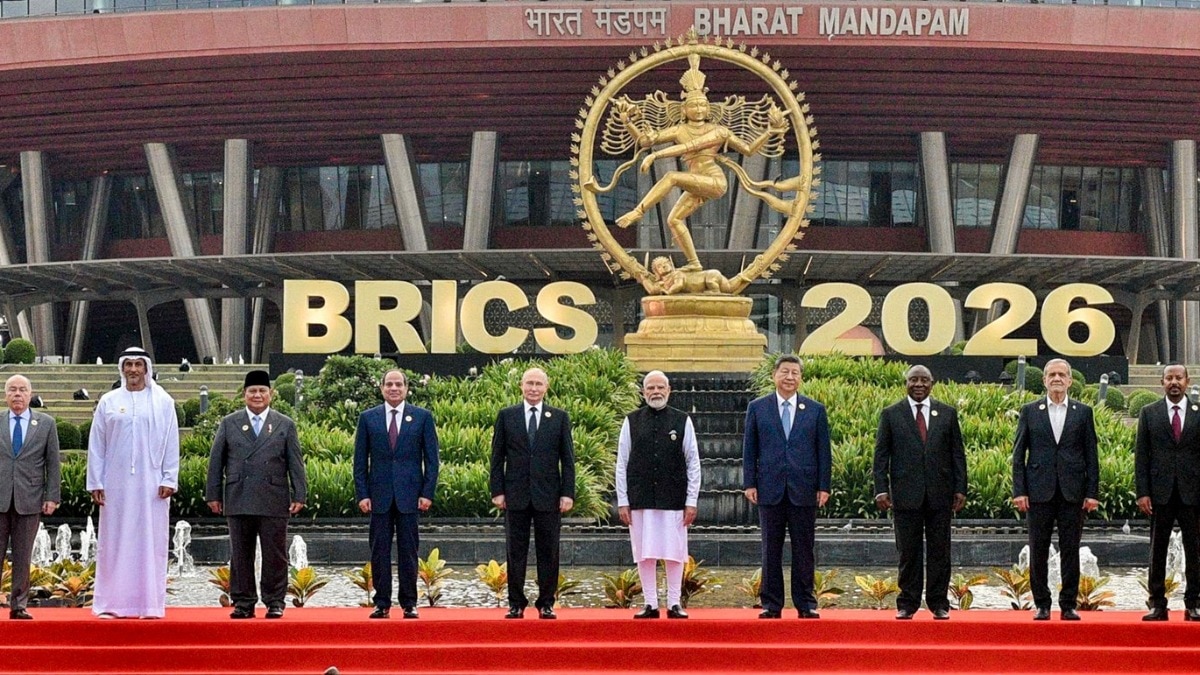
On Saturday, all 11 BRICS nations adopted the “Delhi Declaration” by consensus, with India steering the agenda to include a firm stance against terrorism following the 2022 Pahalgam massacre. The text also emphasizes India’s prospective role in the United Nations Security Council (UNSC), denounces one‑sided economic sanctions, and calls for deeper digital‑financial cooperation.
Historical Background
Formed in 2009, BRICS (Brazil, Russia, India, China, South Africa) was created to give emerging economies a louder voice in global governance. India assumed the rotating presidency in 2023, and this year’s summit in New Delhi expanded the group’s focus to security, trade, and technology, reflecting shifting geopolitical currents.
Key Highlights
Pahalgam Attack – The declaration harshly condemns the 2022 Kashmir incident that claimed 26 lives, reiterating a “zero‑tolerance” policy toward cross‑border terror financing and safe havens.
UNSC Membership – China and Russia signaled backing for India’s potential permanent seat, underscoring a strategic partnership that could reshape the council’s power balance.
Tariff War – The bloc denounced unilateral tariffs and non‑tariff barriers, linking them to threats against development, food security, health care, and human rights.
Nuclear Concerns – Growing anxieties over Iran’s nuclear sites and deteriorating arms‑control frameworks were highlighted, reflecting broader security worries.
Global South Voice – Calls were made for stronger representation of developing nations in the IMF, World Bank, and other multilateral institutions.
Why This Matters
BozokMedia analysis shows that the unanimous adoption of the Delhi declaration marks a diplomatic milestone for India, positioning it as a bridge between the Global South and established powers, while simultaneously challenging Western‑led trade regimes.
“This BRICS consensus not only validates India’s rising diplomatic clout but also signals a recalibration of global trade and security architectures.” – International Relations Professor Dr. Anil Mehta
Frequently Asked Questions
Q1: Is India likely to secure a permanent seat on the UN Security Council?
A: While BRICS support strengthens India’s case, the formal appointment requires broad consensus among existing council members and the UN General Assembly.
Q2: What is the BRICS stance on unilateral tariffs?
A: The declaration calls for the elimination of all one‑sided tariffs and non‑tariff barriers, aiming to protect the economic interests of developing economies.