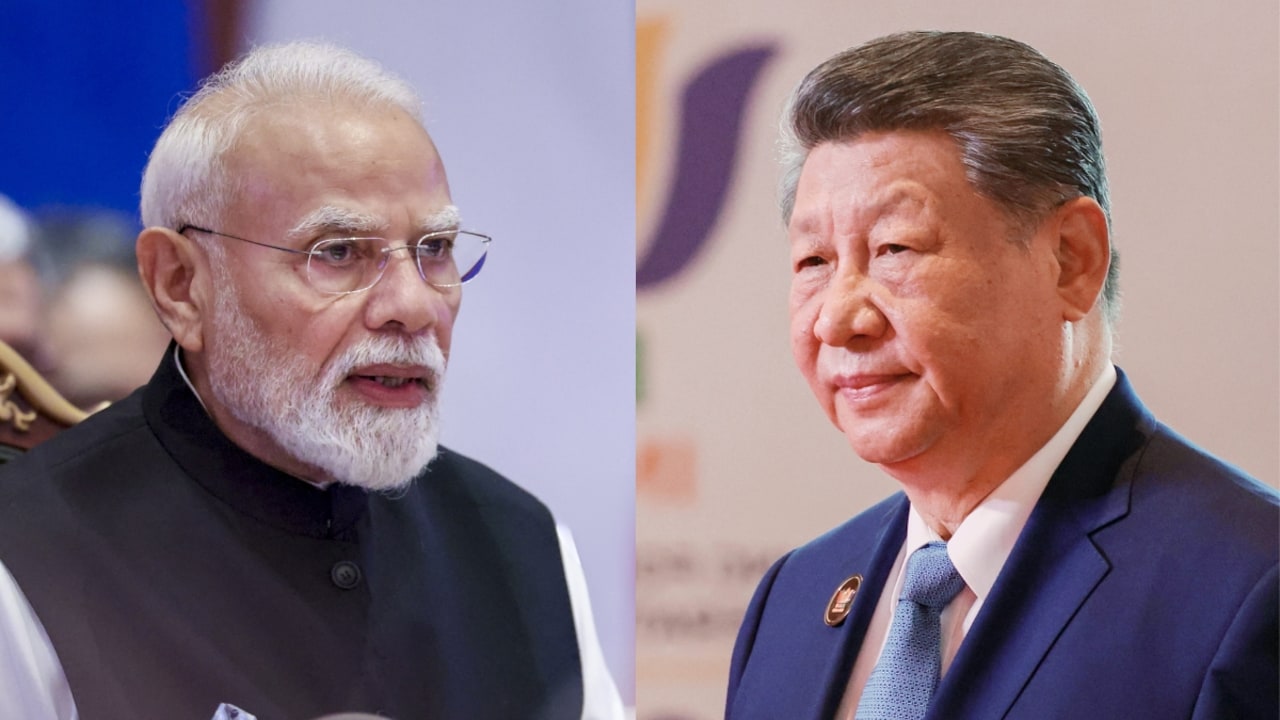
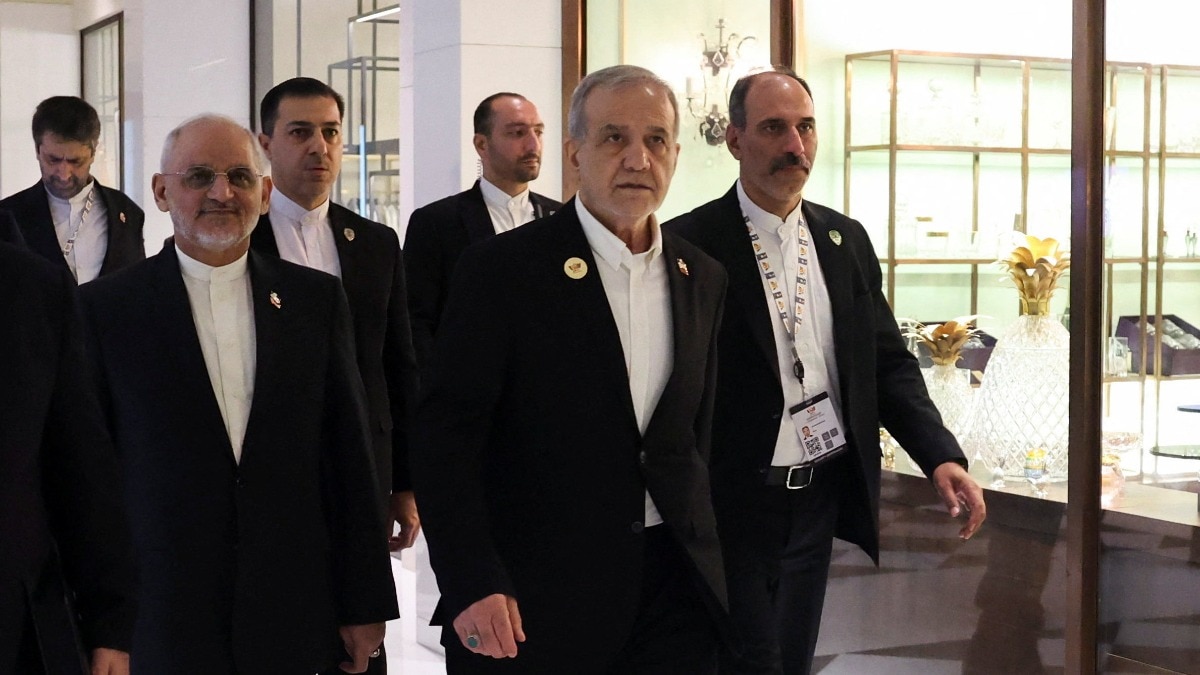
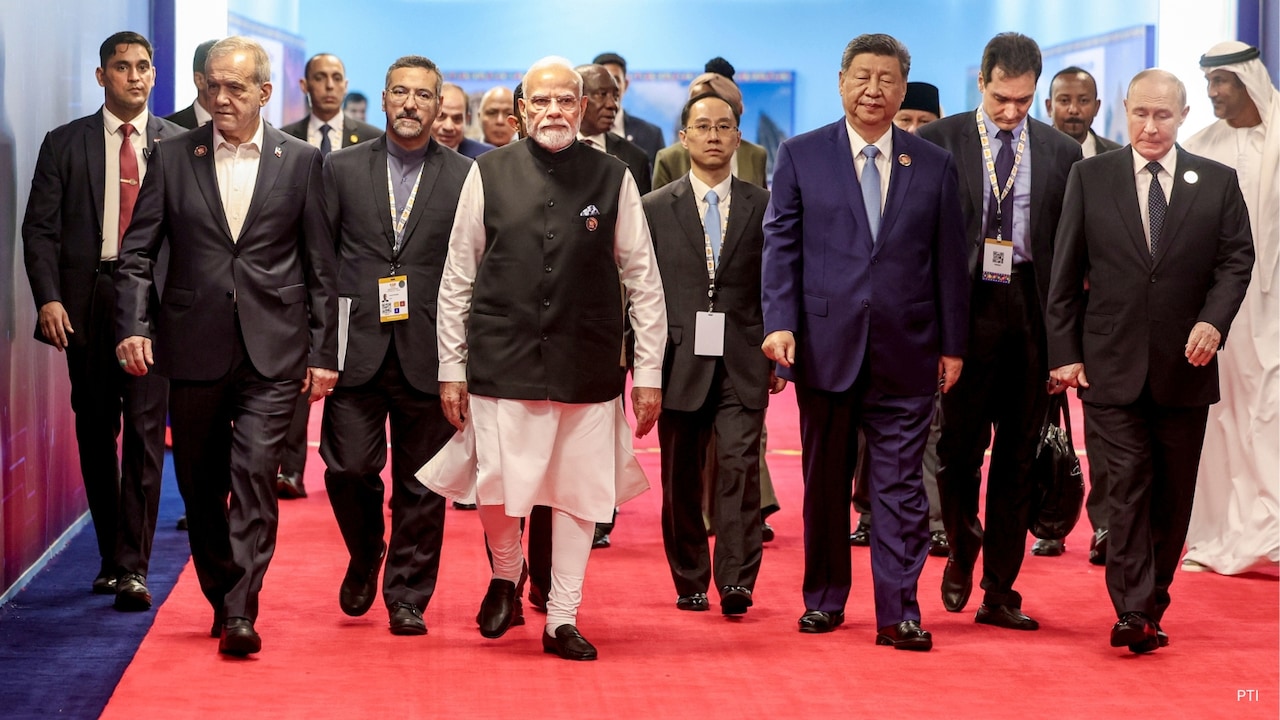
The BRICS Summit witnessed a defining moment as PM Narendra Modi joined forces with Vladimir Putin and Xi Jinping, signaling a new era for the Global South. The adoption of the New Delhi Declaration 2026 marks a significant milestone in multilateral diplomacy.
- PM Modi emphasized solidarity with Putin and Xi Jinping at the BRICS summit.
- The 'New Delhi Declaration 2026' received unanimous approval from member nations.
- Strong condemnation of terrorism and calls for economic stability were central themes.
In a moment that has sent ripples through international diplomatic circles, a photograph featuring Prime Minister Narendra Modi, Russian President Vladimir Putin, and Chinese President Xi Jinping has become the centerpiece of the BRICS Summit. This visual representation of cooperation among the world's most influential emerging powers signals a potential realignment in the global geopolitical landscape.
A major achievement of this summit was the formal adoption of the 'New Delhi Declaration 2026'. The document, which saw no objections from any member state, outlines a strategic roadmap for addressing terrorism, trade tariffs, and ongoing global conflicts. Notably, the declaration included a strong condemnation of recent terrorist activities, emphasizing a unified stance on regional security.
Why This Matters
BozokMedia analysis shows that the strengthening of BRICS is not merely an economic endeavor but a strategic move to empower the Global South. By aligning on issues of trade, security, and sovereignty, BRICS is positioning itself as a counterweight to traditional Western-led institutions.
The synergy between India, Russia, and China within BRICS suggests a transition toward a truly multipolar world order.
During his address, PM Modi highlighted the necessity of protecting the interests of developing nations. He spoke extensively on the challenges posed by trade barriers and the economic volatility caused by modern warfare. The consensus reached during the summit suggests that BRICS is evolving into a formidable political bloc capable of negotiating on the global stage.
Historically, BRICS was established to foster cooperation among emerging economies. However, in the current era of heightened tensions between the US and China, as well as the ongoing Russia-Ukraine conflict, the bloc's ability to maintain internal cohesion while presenting a united front is being closely watched by global leaders.
Frequently Asked Questions
1. What is the significance of the New Delhi Declaration 2026?
It is a multilateral agreement that sets the agenda for BRICS cooperation in security, trade, and the representation of the Global South.
2. How does this impact global politics?
It signals a shift toward multipolarity, where developing nations play a larger role in shaping international laws and economic policies.