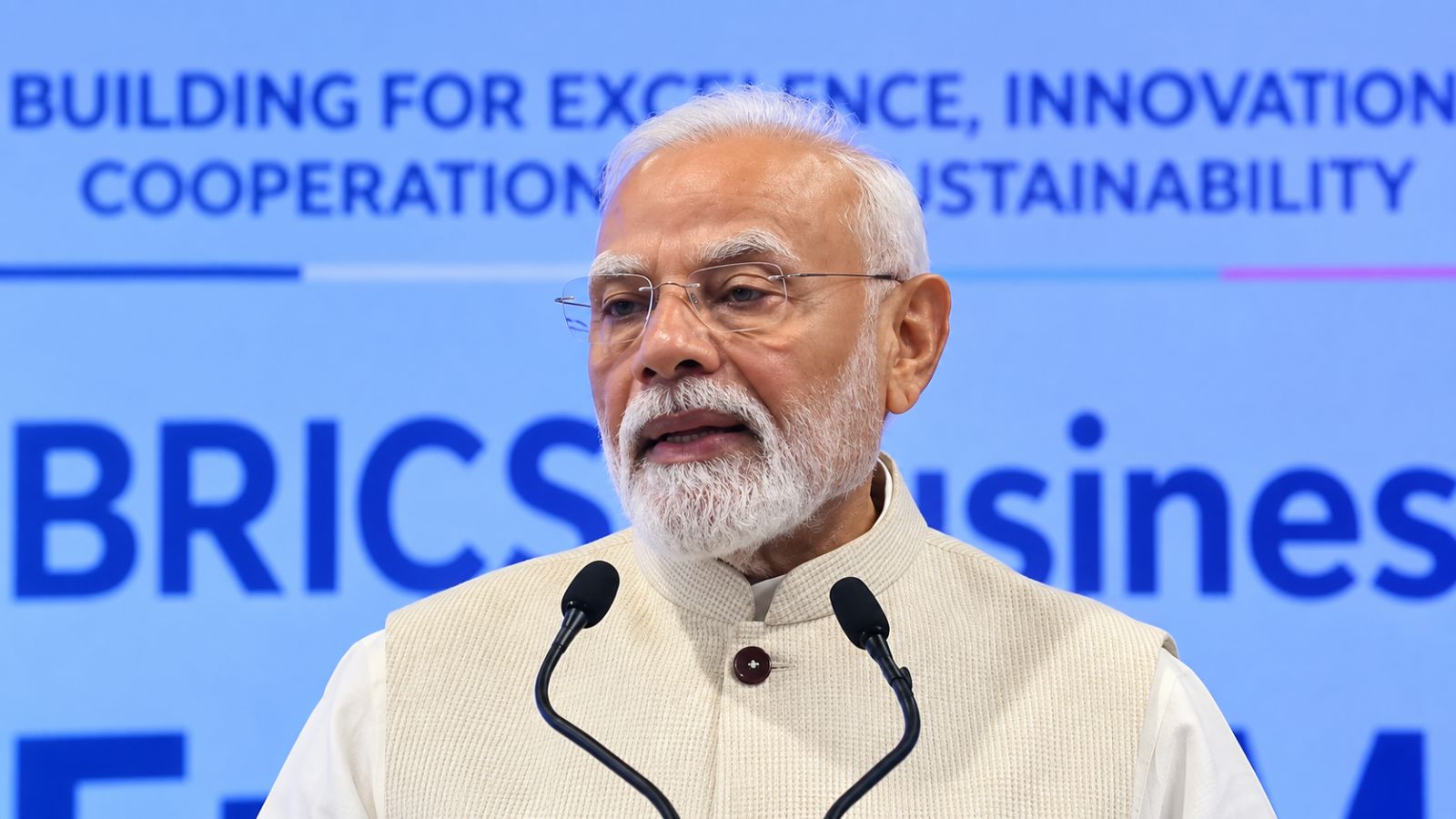
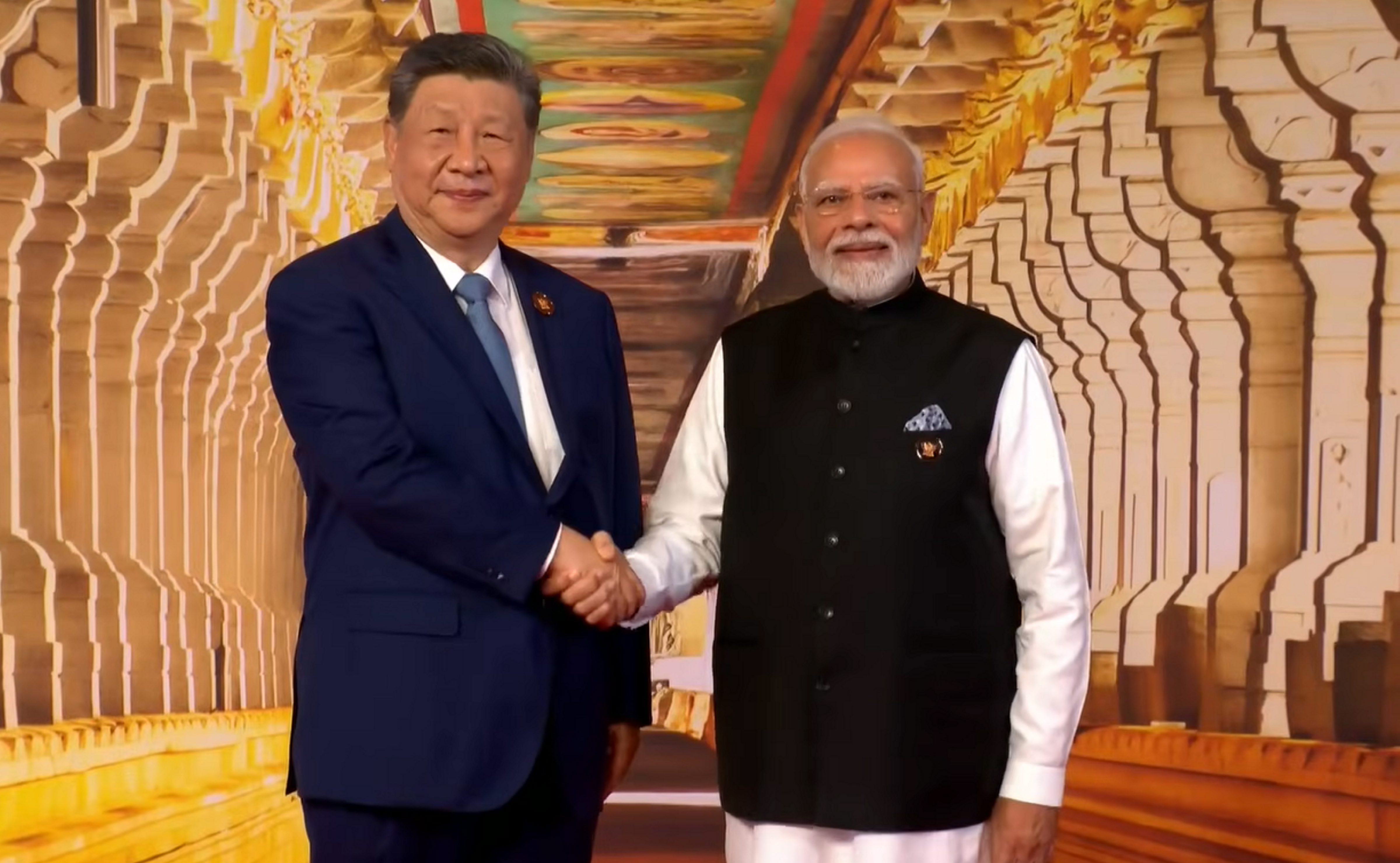
As President Xi Jinping visits India after seven years, the focus shifts toward bilateral ties and the strategic implications for the upcoming BRICS 2026 summit. Exploring how Chinese media views this diplomatic pivot.
- President Xi Jinping visits India after a significant 7-year hiatus.
- PM Modi and President Xi emphasized mutual learning and shared growth.
- The visit sets a critical stage for the BRICS 2026 summit dynamics.
The visit of Chinese President Xi Jinping to India marks a monumental shift in Asian geopolitics. Arriving in India after a seven-year gap, his presence is being scrutinized not just for bilateral discussions but for its long-term impact on the BRICS 2026 summit. Following the tensions triggered by the Galwan Valley skirmishes, this visit represents a high-stakes attempt to recalibrate the relationship between the world's two most populous nations.
During the high-level bilateral meeting, Prime Minister Narendra Modi emphasized that India and China must learn from each other's strengths. President Xi echoed themes of shared development and cooperation. However, the narrative within the Chinese media remains nuanced, balancing the rhetoric of cooperation with a strategic alertness regarding India's rising influence within the BRICS bloc.
Why This Matters
BozokMedia analysis shows that this engagement is more than mere diplomacy; it is a realignment of the power structure in the Global South. As India asserts its strategic autonomy and China seeks to solidify its leadership in multilateral forums, the friction and cooperation between these two giants will dictate the stability of the Indo-Pacific region.
The recalibration of India-China ties is not just about border stability, but about defining the leadership architecture of the emerging multipolar world.
Historically, the trajectory of India-China relations has been defined by periods of intense competition and sporadic cooperation. While economic interdependence remains high—with India managing significant imports from China—the 'Atmanirbhar Bharat' (Self-Reliant India) initiative has become a cornerstone of India's strategy to reduce this systemic dependency.
Looking ahead to BRICS 2026, the diplomatic landscape is shifting. Prime Minister Modi's ability to blend strategic diplomacy with cultural assertion—often referred to as 'Hindutva Diplomacy' in recent contexts—signals that India is entering this summit not as a junior partner, but as a decisive global actor.
Frequently Asked Questions
Question 1: What is the significance of Xi Jinping's visit after seven years?
Answer: It signals a potential de-escalation of border tensions and a desire to re-engage in multilateral cooperation through platforms like BRICS.
Question 2: How does India's economy impact this relationship?
Answer: India's push for self-reliance aims to balance the trade deficit and reduce economic vulnerability to Chinese imports.