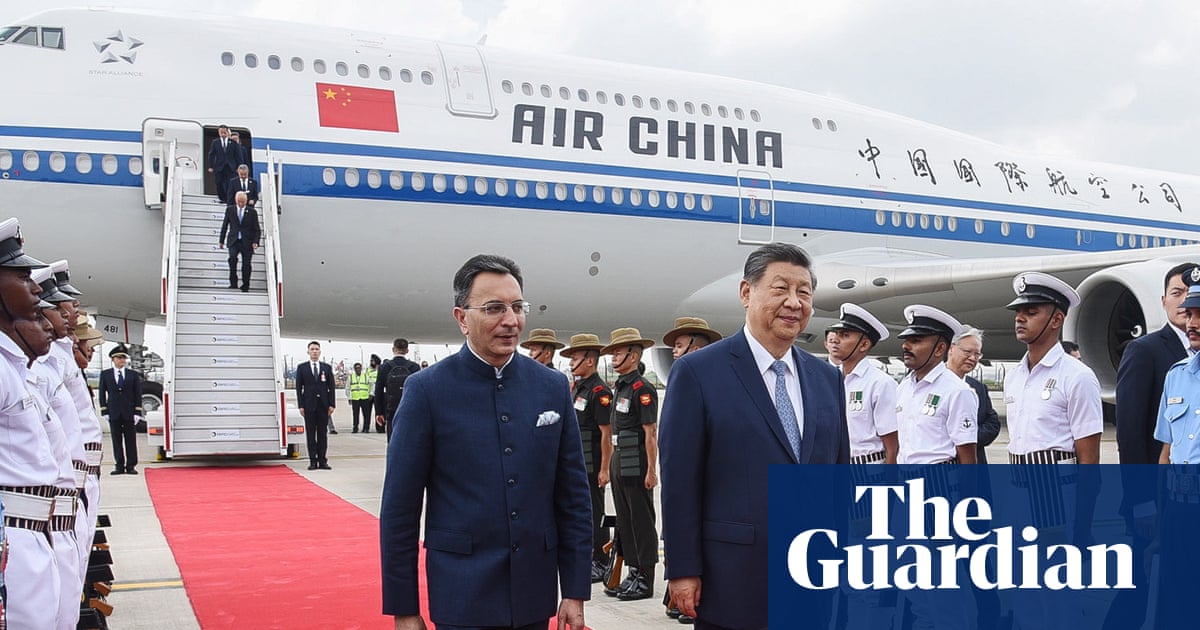
Chinese President Xi Jinping arrived in Delhi for the BRICS summit, receiving a ceremonial welcome. This marks his first visit to India in seven years, signaling a potential reconciliation following the 2020 border clash.
- Chinese President Xi Jinping is visiting India for the first time in seven years.
- The visit marks a significant diplomatic thaw after the deadly 2020 Himalayan border clash.
- PM Narendra Modi is hosting leaders including Vladimir Putin and Masoud Pezeshkian.
- The 'New Delhi Declaration' emphasizes peaceful resolution of conflicts through diplomacy.
Chinese President Xi Jinping has received a grand red-carpet welcome in India as he arrives for the highly anticipated BRICS summit. As he stepped off his plane, he was greeted by an Indian military honor guard and traditional dancers, signaling a symbolic shift in the complex relationship between Beijing and Delhi.
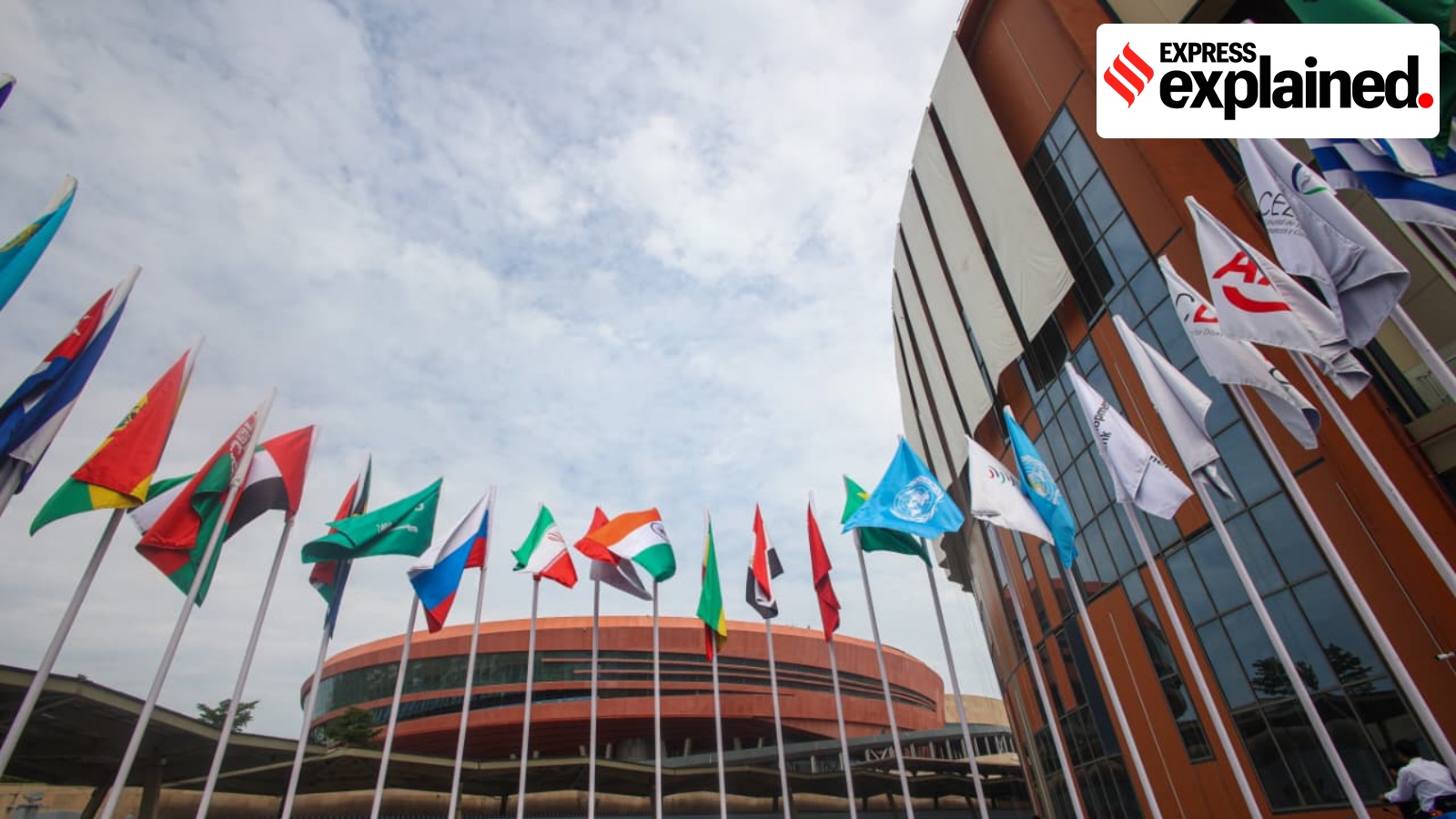
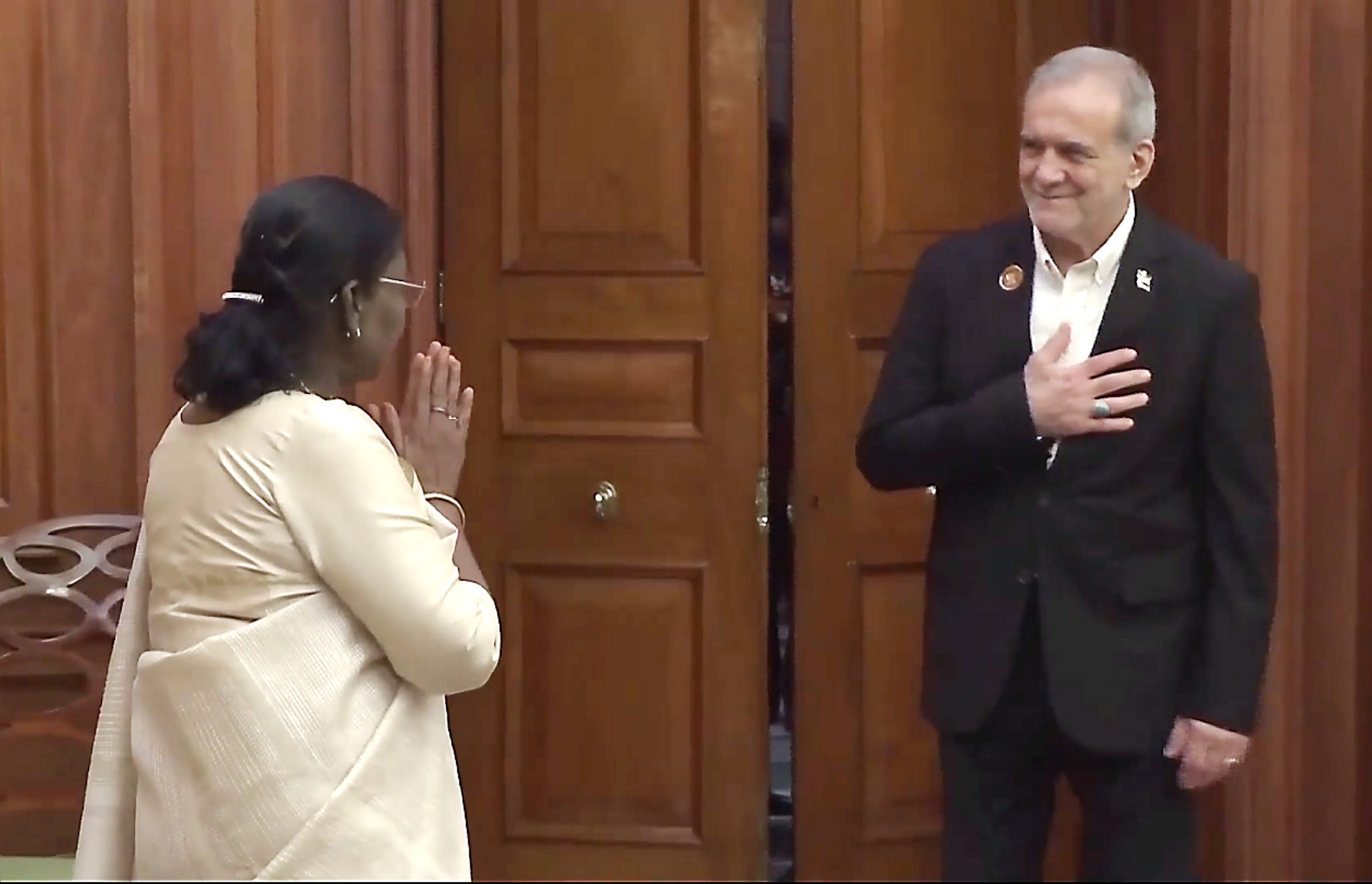
The summit, hosted by Prime Minister Narendra Modi, comes at a critical juncture in global politics. Other major leaders, including Russian President Vladimir Putin and Iranian President Masoud Pezeshkian, have also arrived in the capital, making Delhi a focal point of global diplomacy. This gathering is one of the most closely watched since the expansion of the BRICS bloc.
Why This Matters
BozokMedia analysis shows that this rapprochement is not merely ceremonial but a strategic maneuver. As US global dominance faces scrutiny, the warming of ties between the world's two most populous nations could reshape the geopolitical landscape of the Indo-Pacific region.
Xi Jinping’s presence in Delhi represents the most significant step toward reconciliation since the 2020 Galwan Valley clash.
The relationship between these two nuclear-armed giants has been frozen since the 2020 military clash along the disputed Himalayan border, which resulted in the deaths of 20 Indian and four Chinese soldiers. Recent months have seen a gradual restoration of high-level contacts and flight connectivity, suggesting a mutual desire to manage differences.
The BRICS group, originally formed by Brazil, Russia, India, China, and South Africa, has expanded to include nations like Iran, Egypt, and the UAE. While this expansion increases its weight against the G7, it also introduces internal complexities, such as the differing geopolitical agendas of member states in the Middle East.
During the summit, members unanimously agreed on the 'New Delhi Declaration', which calls for 'maximum restraint' in conflict zones like the Middle East and emphasizes dialogue and diplomacy as the primary tools for resolving international disputes.
Historical Background
For years, the border dispute between India and China has been a flashpoint for regional instability. The 2020 incident marked a low point in bilateral relations, leading to economic restrictions and a massive military buildup on both sides of the Line of Actual Control (LAC). This summit represents a cautious attempt to move past that era of confrontation.
Frequently Asked Questions
1. What is the significance of the New Delhi Declaration?
It is a joint statement where BRICS members commit to peaceful diplomacy and restraint in global conflicts.
2. Why is the BRICS expansion controversial?
While it increases economic power, it brings together countries with conflicting interests, such as Iran and Saudi Arabia.