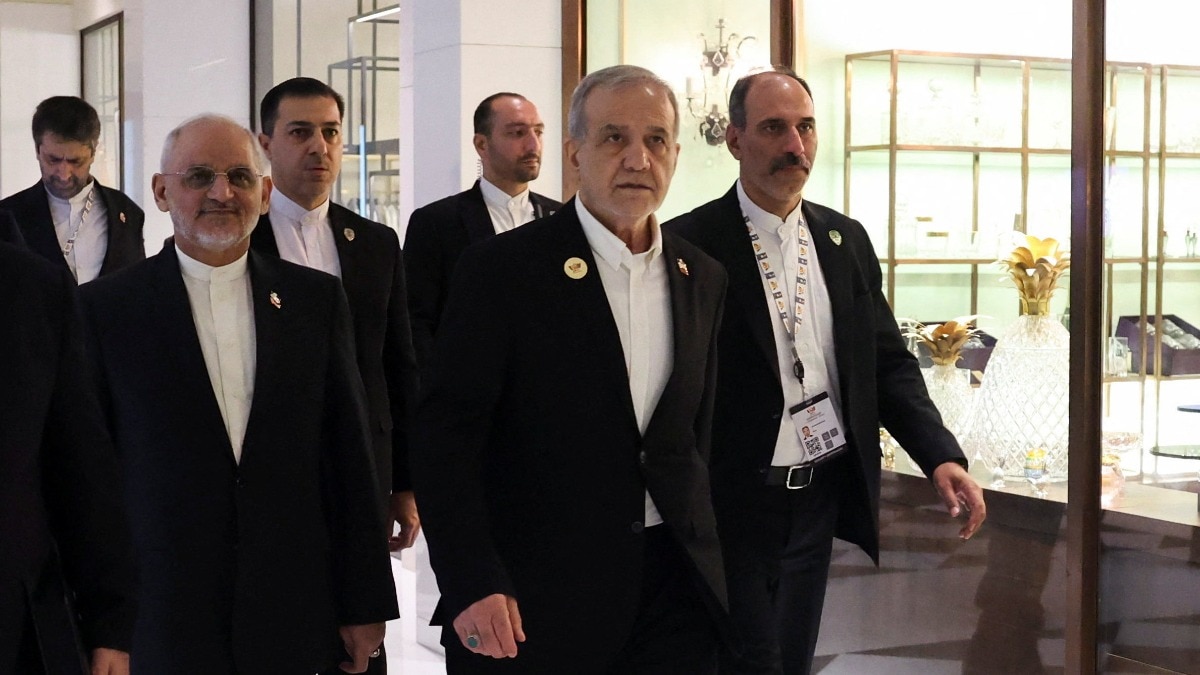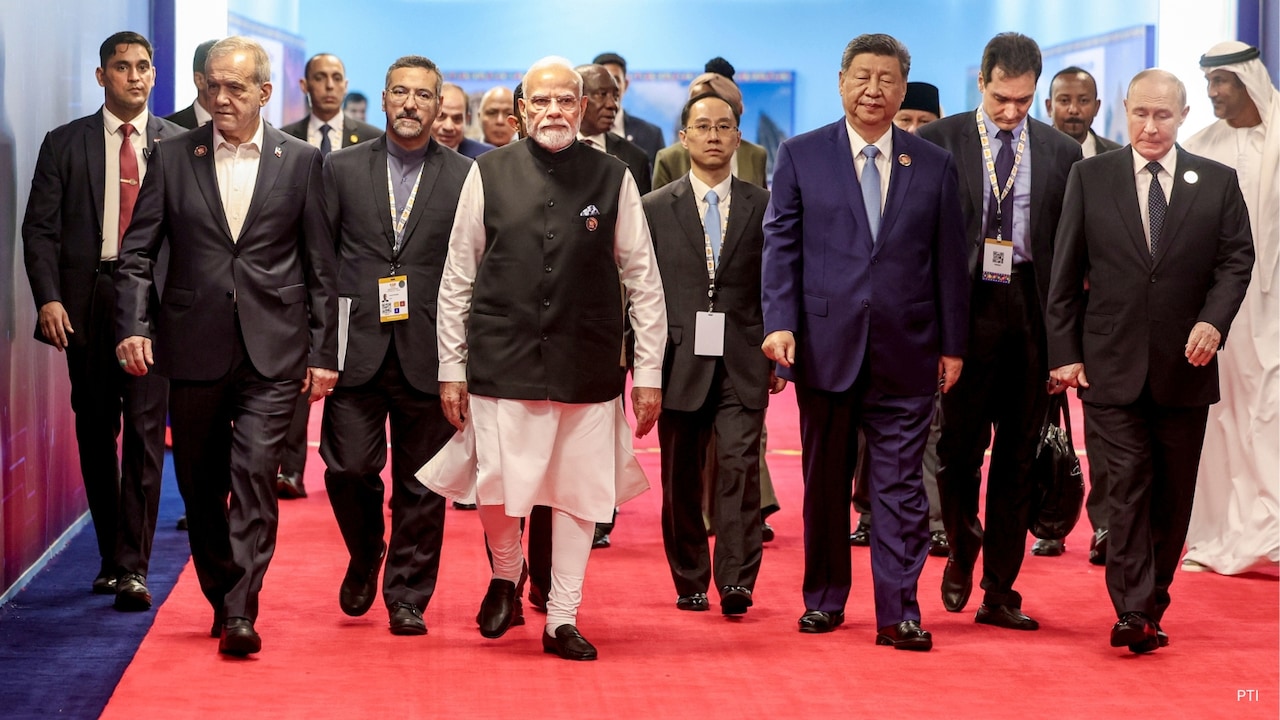
In a significant diplomatic gesture, India extended a grand welcome to Iranian President Masoud Pezeshkian and his daughter Zahra during the BRICS Summit. The visit highlighted deep-rooted cultural ties and strategic importance amidst West Asian tensions.
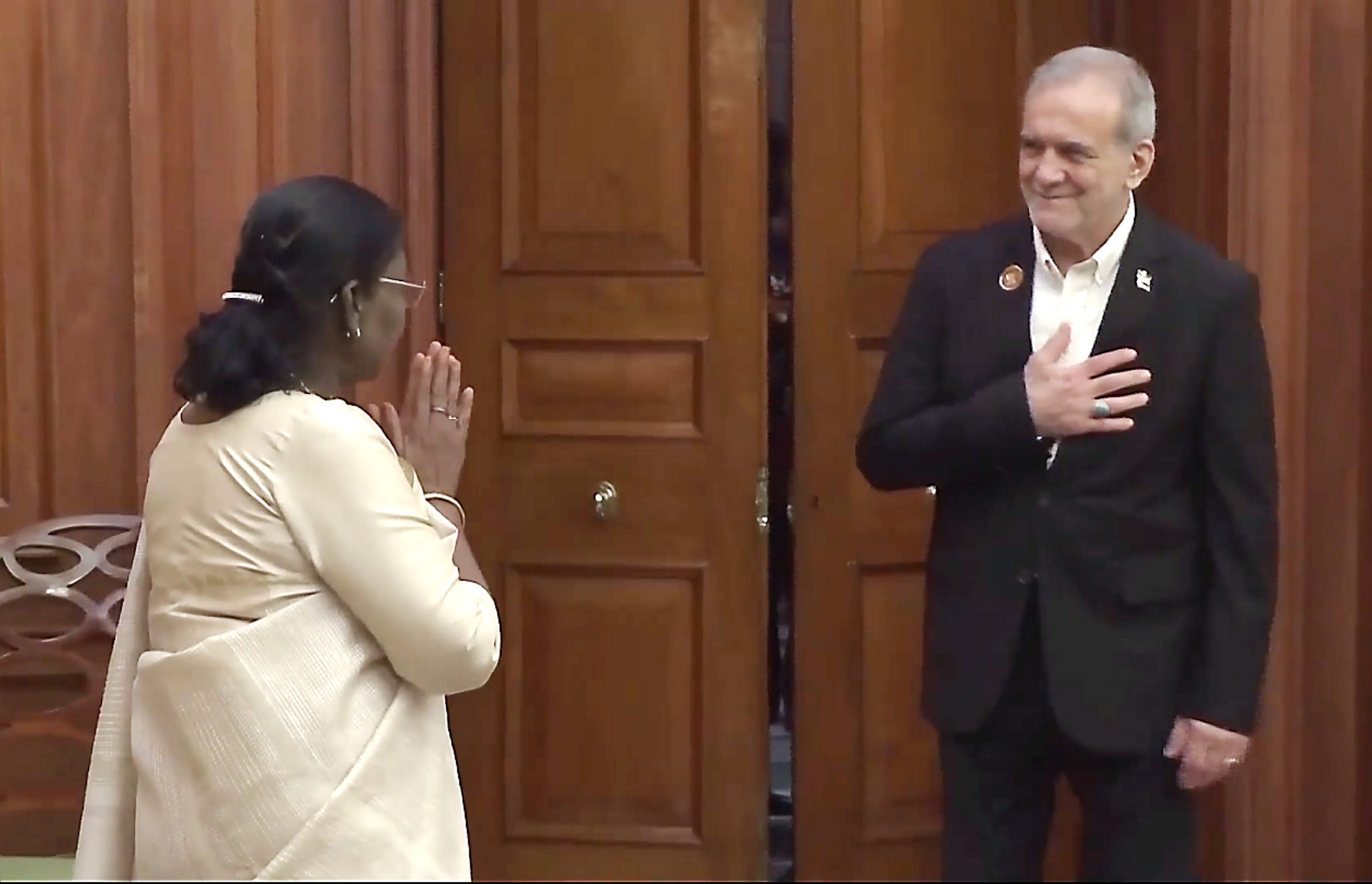
- President Droupadi Murmu hosted Iranian President Masoud Pezeshkian at Rashtrapati Bhavan, a unique honor during the BRICS Summit.
- President Pezeshkian held high-level bilateral discussions with Prime Minister Narendra Modi.
- The visit included a cultural tour of the Iranian Hall, showcasing Qajar-era Persian art.
- Zahra Pezeshkian visited the BRICS Bazaar to engage with the cultural heritage of member nations.
Ahead of the opening session of the BRICS Summit, New Delhi demonstrated its diplomatic prowess by rolling out the red carpet for Iranian President Masoud Pezeshkian. In a move that underscored the importance of India-Iran ties, President Droupadi Murmu hosted Pezeshkian at the Rashtrapati Bhavan—the only dignitary to receive such personalized hosting during this summit.
The visit was not merely political but deeply cultural. During his tour of the presidential estate, President Pezeshkian visited the Iranian Hall, home to the magnificent Ashok Mandap. This hall houses exquisite Persian artwork from the Qajar era, dating back to the reign of Fath-Ali Shah Qajar. This inclusion served as a poignant reminder of the centuries-old civilizational bond between the two nations.
Why This Matters
BozokMedia analysis shows that this high-profile reception comes at a critical juncture in global geopolitics. With ongoing conflicts in West Asia involving the US, Israel, and Iran, India's decision to offer such a prestigious welcome to the Iranian leader signals its commitment to maintaining strategic autonomy and fostering regional stability through dialogue.
India is successfully navigating the complexities of multi-alignment by strengthening ties with key players like Iran.
The diplomatic outreach extended to the next generation as well. Union Minister Annpurna Devi escorted the President's daughter, Zahra Pezeshkian, to the BRICS Bazaar at the National Crafts Museum. The bazaar brought together artisans from all BRICS member states, offering a vibrant showcase of global craftsmanship and tradition.
Historical Background: The relationship between India and Iran is anchored in history, spanning from the ancient Silk Road trade routes to the cultural exchange during the Mughal and Qajar periods. Today, this historical foundation is being revitalized through modern economic and strategic cooperation.
During an event organized by the Iranian Embassy, President Pezeshkian made a bold statement regarding his nation's sovereignty, asserting that Iran refuses to "kneel" to external pressures from the United States and Israel. This stance, coupled with India's warm reception, highlights the delicate balancing act required in contemporary international relations.
Frequently Asked Questions
Question 1: What made Pezeshkian's visit unique during the BRICS Summit?
Answer: He was the only dignitary hosted personally by the President of India at Rashtrapati Bhavan during the summit, signaling high-level bilateral priority.
Question 2: What is the significance of the Qajar-era artwork in Rashtrapati Bhavan?
Answer: It symbolizes the long-standing cultural and historical connection between the Indian and Iranian civilizations.