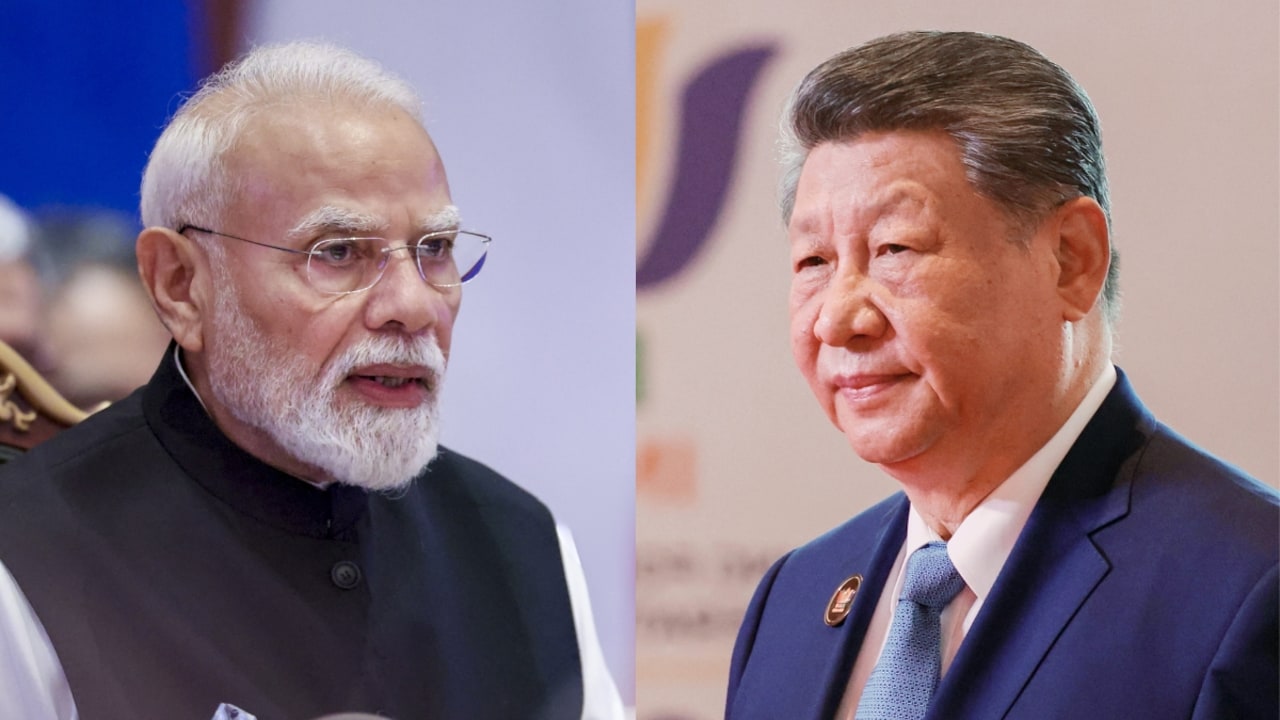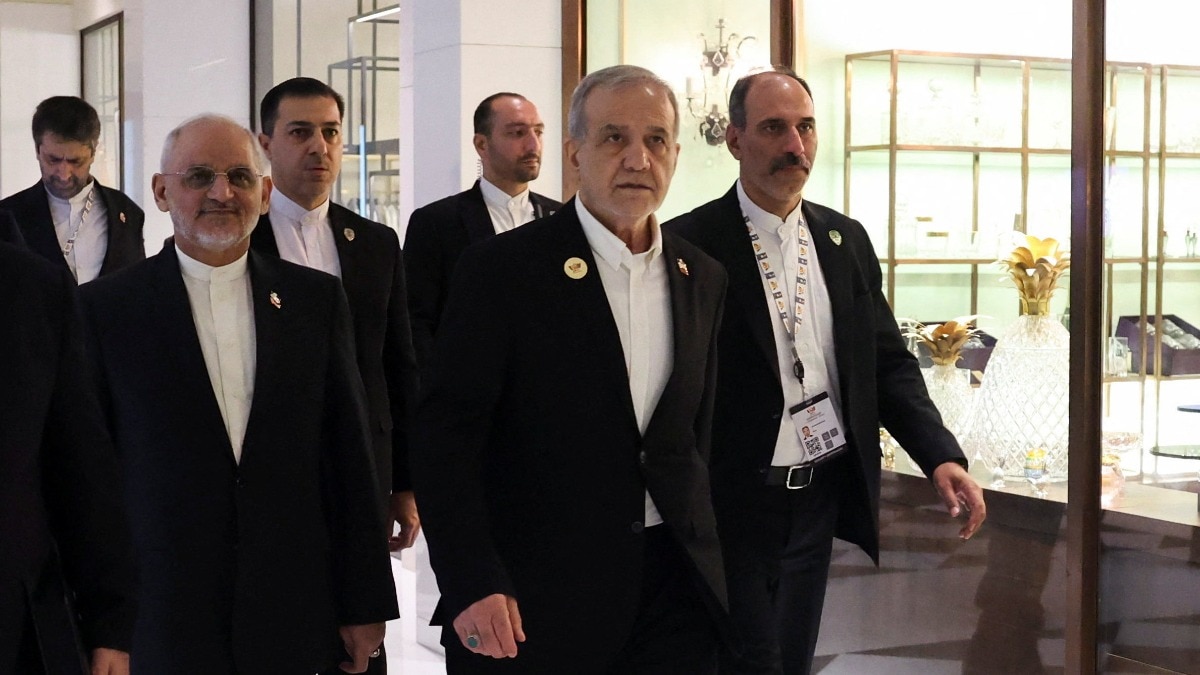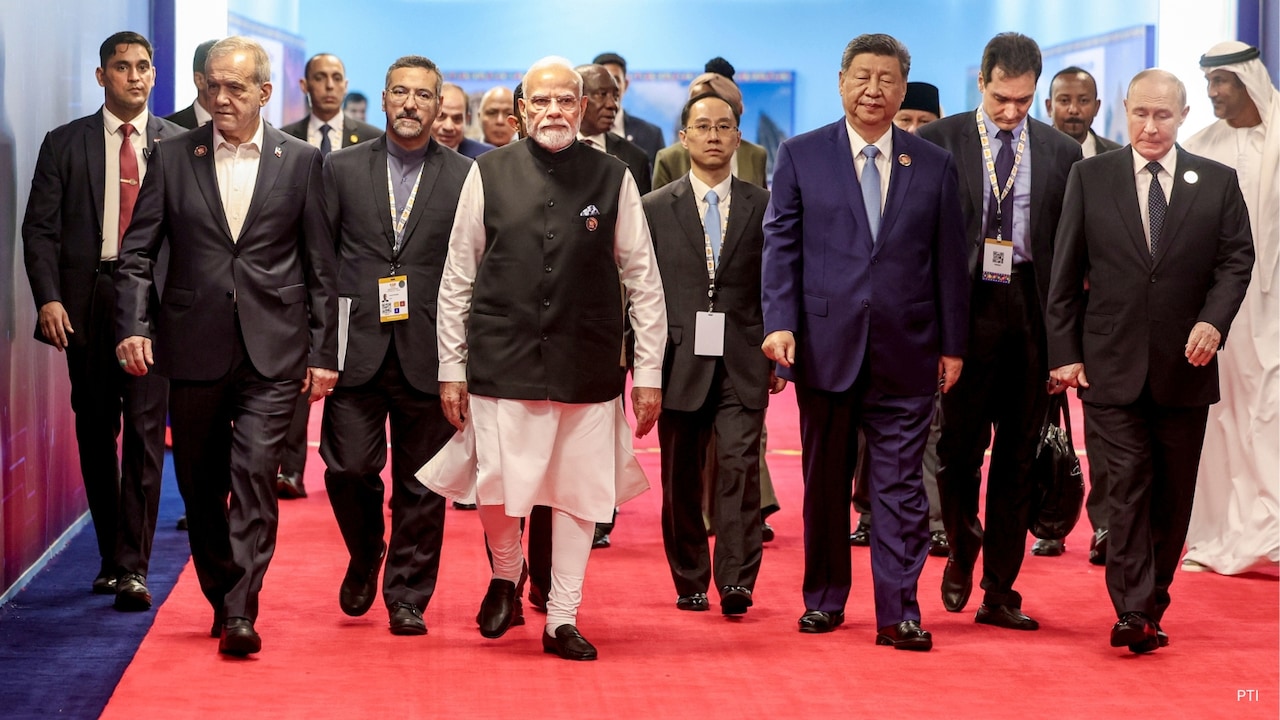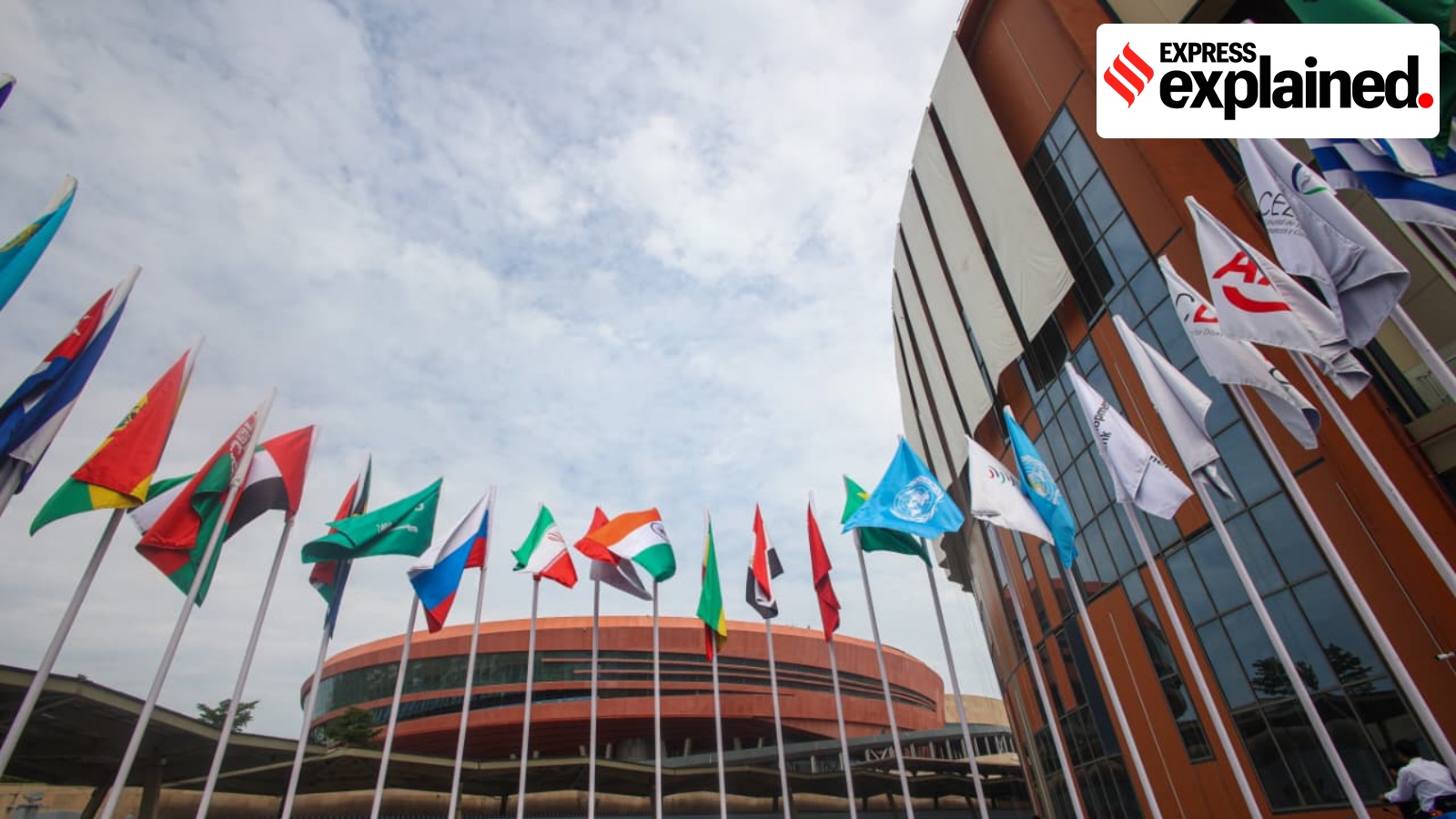
The 45-page BRICS declaration from New Delhi reveals a masterclass in diplomatic calibration. While avoiding the Ukraine conflict, the document takes a pointed stand against Western economic sanctions and unilateral tariffs.
- Strategic omission of the Ukraine conflict to maintain consensus with Russia.
- Strong condemnation of 'unilateral coercive measures' and US-led sanctions.
- Explicit support for India and Brazil's aspirations for UNSC reform.
- Direct mention of the Gaza conflict and condemnation of terrorism in Jammu & Kashmir.
The 45-page BRICS Declaration emerging from the New Delhi summit is a testament to sophisticated diplomatic maneuvering. By carefully nuancing divisive issues, the participating nations have created a document that emphasizes cooperation in trade, AI, and health while sidestepping the most volatile geopolitical triggers.
A striking feature of the 2026 Delhi declaration is the total absence of any mention of Ukraine. Unlike the 2025 Rio declaration, which contained anodyne references to the conflict, the Delhi text avoids naming Russia’s invasion or the associated sanctions. This move highlights India's role in ensuring that the summit remains a productive forum for the Global South rather than a battlefield for Western-centric conflicts.
Why This Matters
BozokMedia analysis shows that BRICS is increasingly positioning itself as a counter-narrative to the Western-led financial and trade order. The repeated use of terms like 'unilateral economic sanctions' and 'indiscriminate rising of tariffs' serves as a coded but powerful critique of US economic statecraft.
The BRICS declaration marks a shift from mere economic cooperation to a coordinated geopolitical stance against unilateralism.
On the issue of UN Security Council (UNSC) reform, the declaration carries significant weight. China and Russia, as permanent members, have reiterated their support for the aspirations of India and Brazil to hold greater responsibility within the UN. This alignment, while complex, provides a unified front for the expansion of global governance representation.
Furthermore, the document addresses regional stability by condemning the terrorist attacks in Jammu and Kashmir and flagging attacks on civilian infrastructure in West Asia, a subtle nod to recent tensions involving Iran. The inclusion of China's zero-tariff policy for African nations also positions the bloc as a benefactor to developing economies.
| Feature | Rio 2025 Declaration | Delhi 2026 Declaration |
|---|---|---|
| Ukraine Conflict | Mentioned (Anodyne) | Not Mentioned |
| US Tariffs | General Concern | Specific Criticism of Unilateralism |
| Terrorism | General Condemnation | Specific mention of J&K attacks |
Frequently Asked Questions
1. Why was Ukraine not mentioned in the BRICS declaration?
To maintain consensus among all members, particularly to avoid friction with Russia, the declaration focused on cooperative economic goals rather than divisive geopolitical conflicts.
2. How does BRICS view US trade policies?
The declaration criticizes 'unilateral coercive measures' and 'indiscriminate tariffs,' which are widely interpreted as a pushback against US economic sanctions and trade barriers.