In a high-stakes interview, Iranian President Dr. Masoud Pezeshkian asserted that US sanctions and pressure have failed to weaken Iran. He also emphasized the importance of BRICS and India-Iran connectivity.
- President Pezeshkian accused the US and Israel of practicing 'state terrorism' and economic blockades.
- Iran reaffirmed its commitment to the Non-Proliferation Treaty (NPT) and denied nuclear weapon ambitions.
- Strengthening ties via Chabahar Port and the BRICS bloc was highlighted as a strategic priority.
- The President emphasized the move toward a multipolar economic order to reduce US dollar dominance.
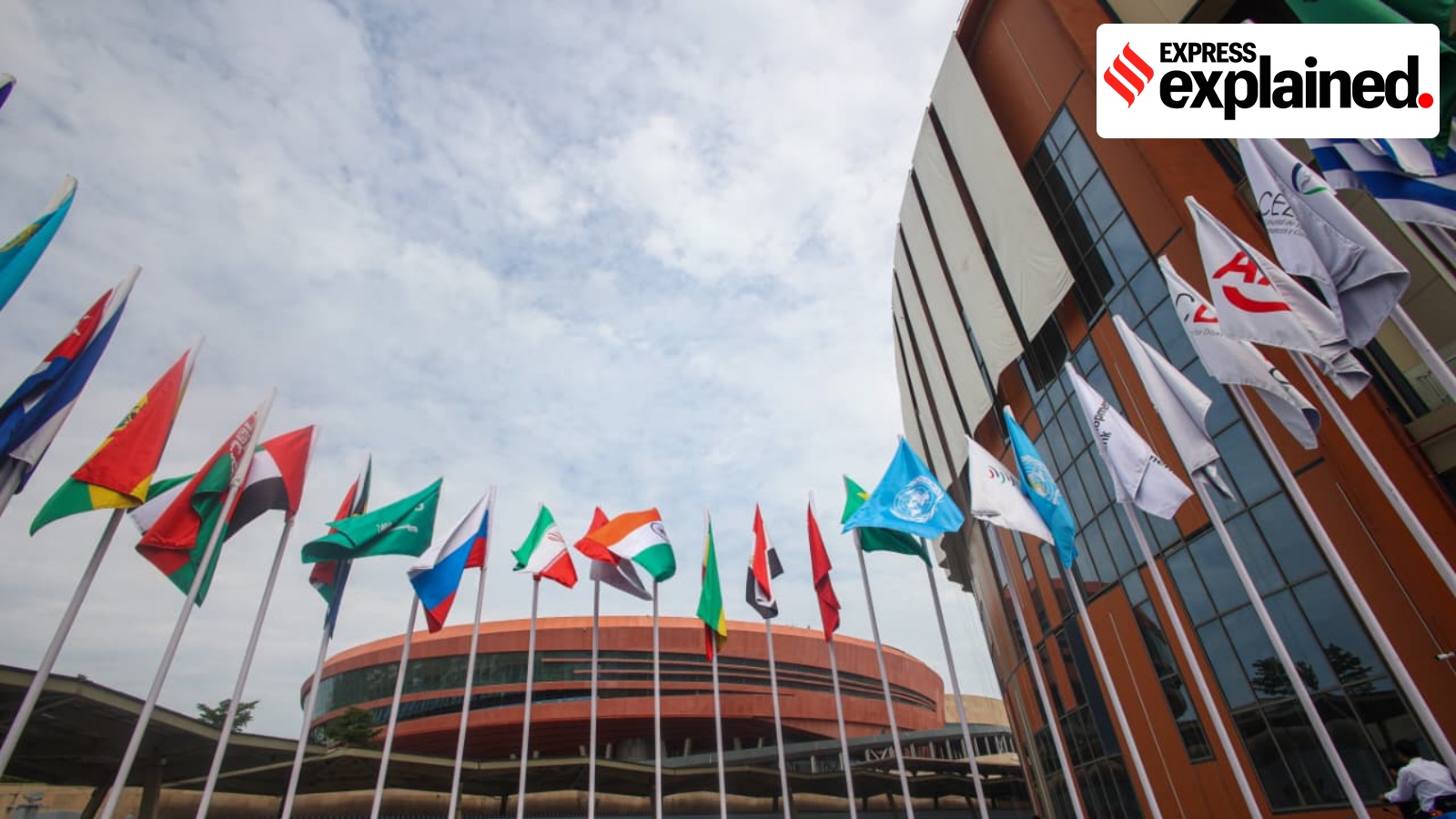
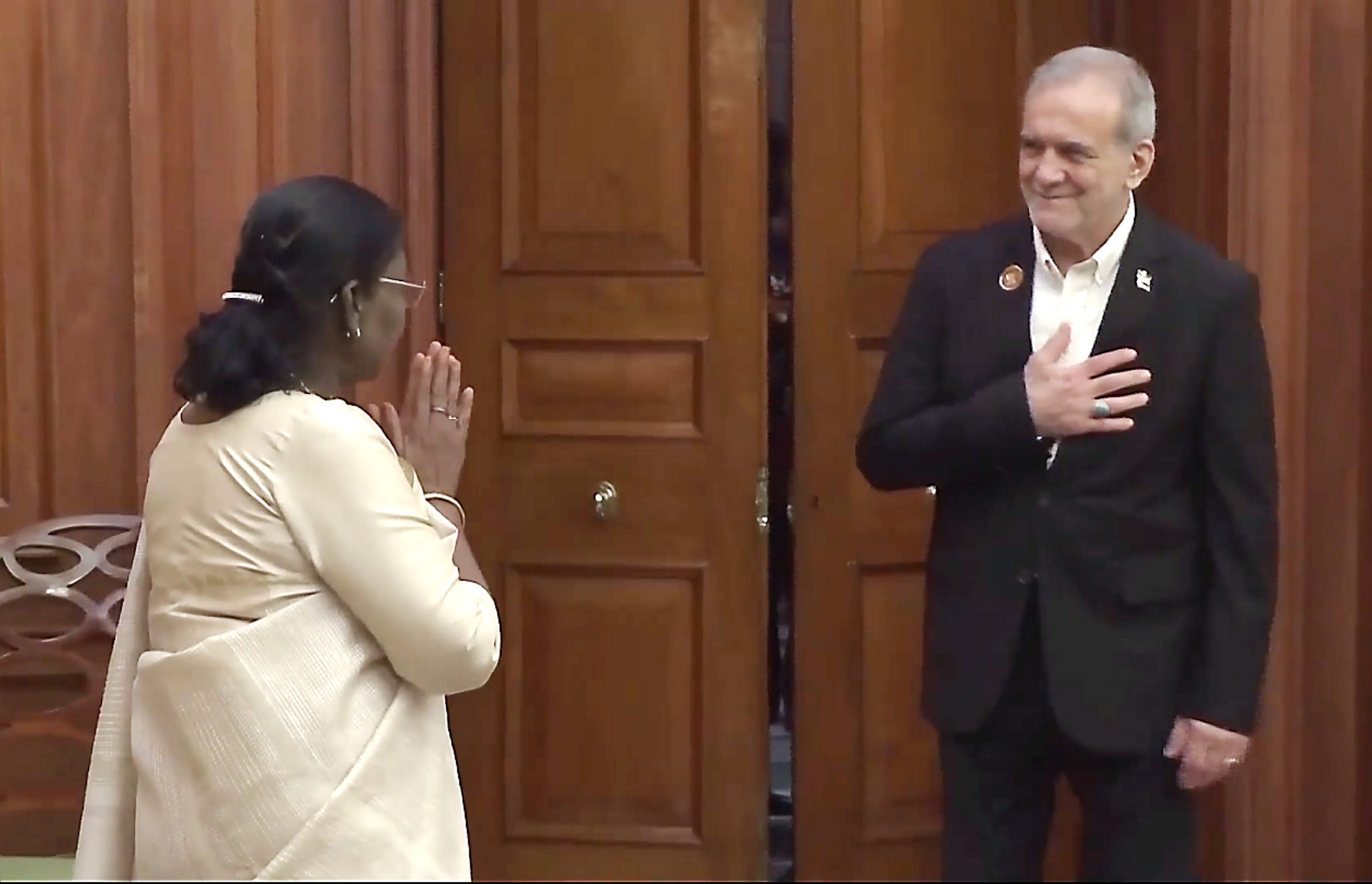
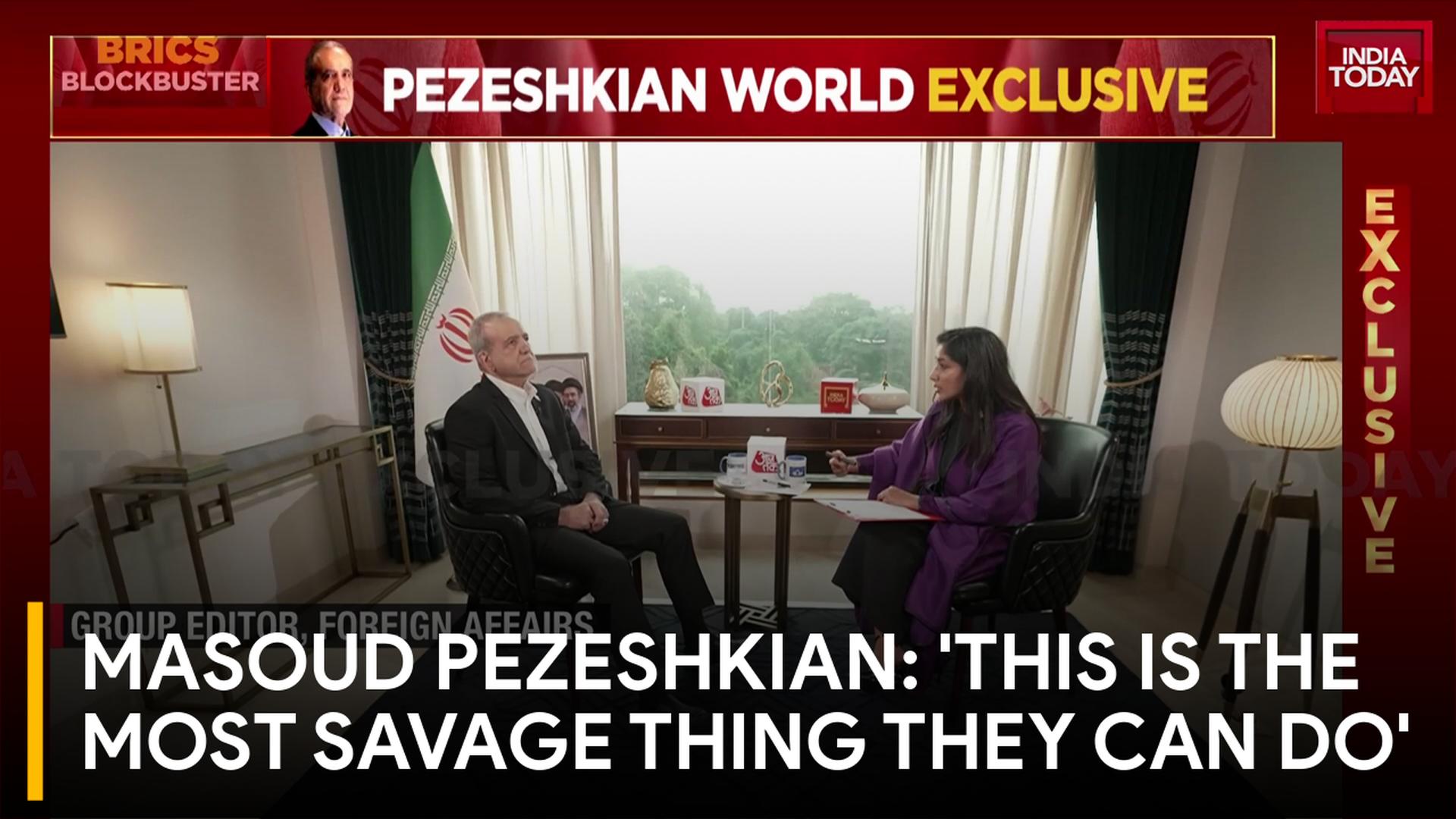
During his high-profile visit to India for the BRICS summit, Iranian President Dr. Masoud Pezeshkian delivered a powerful message to the global community. In an exclusive interaction, he addressed the long-standing tensions between Iran and Western powers, stating that despite decades of aggression, the nation and its leadership remain unbroken. He poignantly asked, "Why are they fighting us?"
The President's remarks come at a time of heightened regional volatility. Pezeshkian accused foreign entities of engaging in state terrorism by targeting regional infrastructure and enforcing crippling economic blockades. He maintained that Iran's actions are purely defensive, aimed at protecting its sovereignty against external aggression.
Why This Matters
BozokMedia analysis shows that Iran is pivotally shifting its geopolitical alignment. By leveraging the BRICS framework, Iran is actively seeking to bypass unilateral sanctions and contribute to a multipolar economic order. This shift is specifically designed to decrease global reliance on the US dollar, potentially altering the landscape of international finance.
Iran's defiance signals a significant shift in regional power dynamics, as the nation seeks economic and political security outside of Western-led structures.
On the sensitive issue of nuclear capabilities, Pezeshkian was unequivocal. He denied all allegations of pursuing nuclear weapons, reaffirming Iran's strict adherence to the Non-Proliferation Treaty (NPT). He further highlighted the perceived double standards of the international community, questioning why Israel's nuclear program remains largely unaddressed by global regulators.
Regarding bilateral relations, the President emphasized the deep-rooted cultural and strategic ties between Iran and India. He highlighted the critical importance of the Chabahar Port in strengthening regional trade networks and enhancing connectivity. Furthermore, he noted ongoing diplomatic efforts with partners like Oman to ensure maritime security in the Strait of Hormuz.
Frequently Asked Questions
1. What is Iran's stance on the NPT?
President Pezeshkian reaffirmed that Iran remains a committed member of the Non-Proliferation Treaty and adheres to its principles.
2. How does India factor into Iran's regional strategy?
India is a key partner through the Chabahar Port, which serves as a vital gateway for regional trade and connectivity.