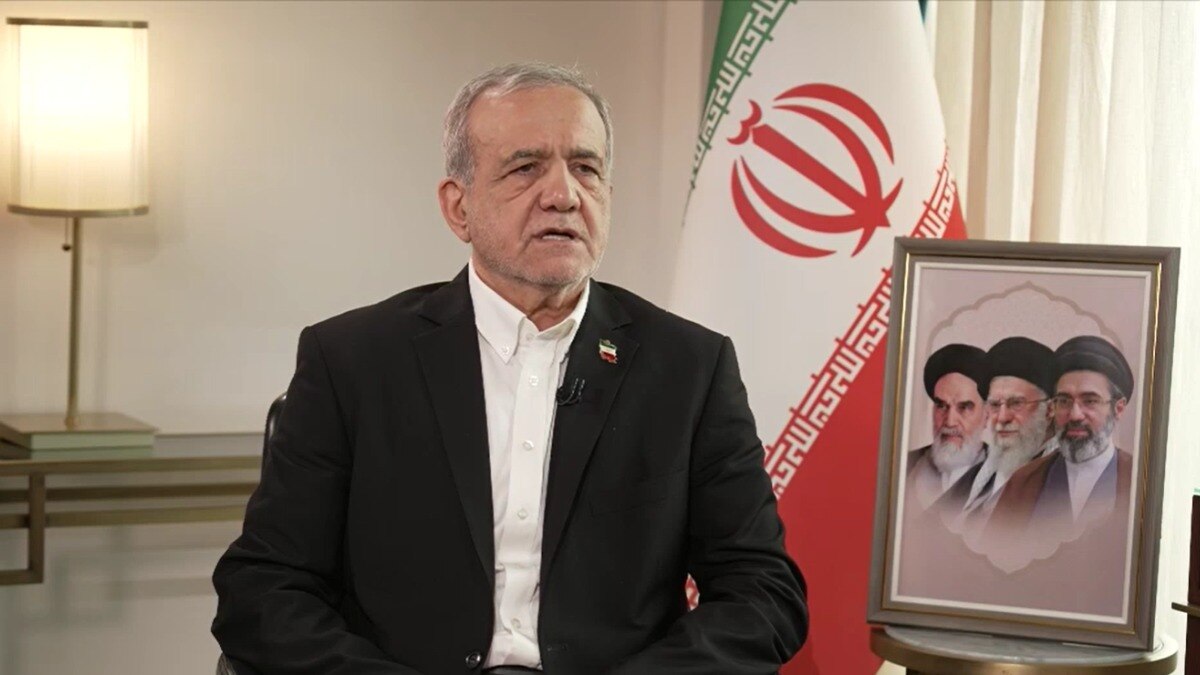
In an exclusive interview with India Today, Iranian President Masoud Pezeshkian stated that Tehran will not surrender to US pressure and will respond if the Strait of Hormuz is blocked. He linked the reopening of the waterway to the end of US sanctions.
- Iran refuses to surrender if the US attempts to block the strategic Strait of Hormuz.
- President Pezeshkian stated that Iran's actions are purely defensive responses to regional attacks.
- Tehran is currently negotiating a maritime framework with Oman.
- The President slammed US economic sanctions as a tool to target civilians and cause poverty.
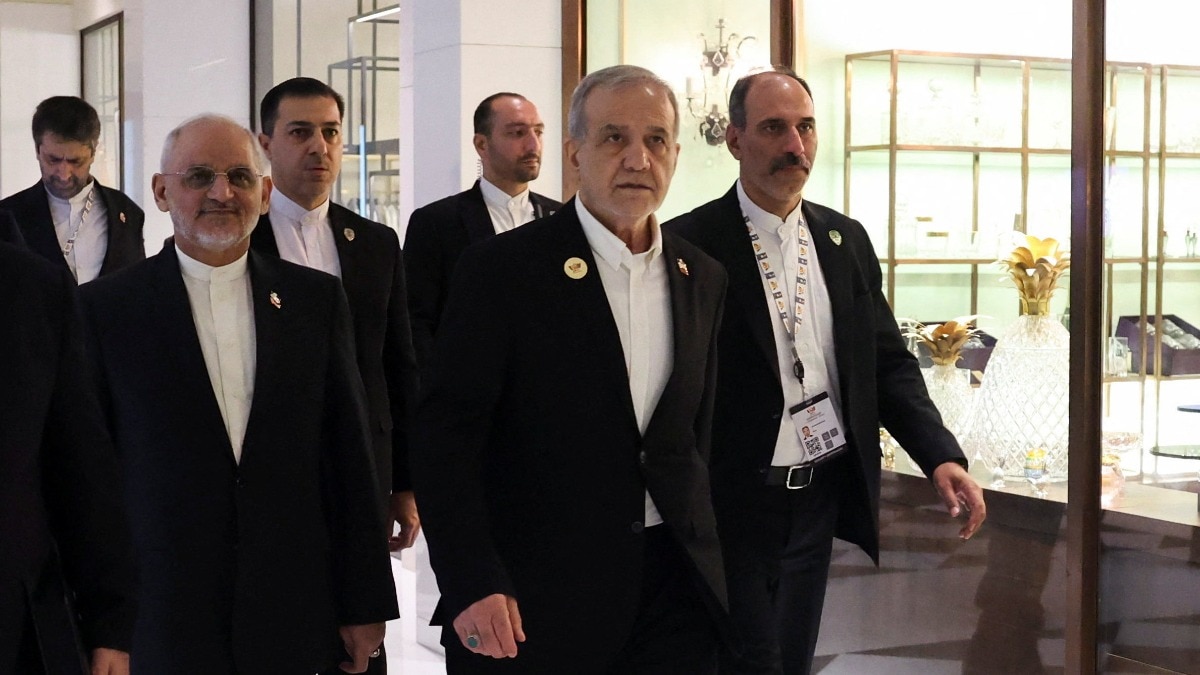
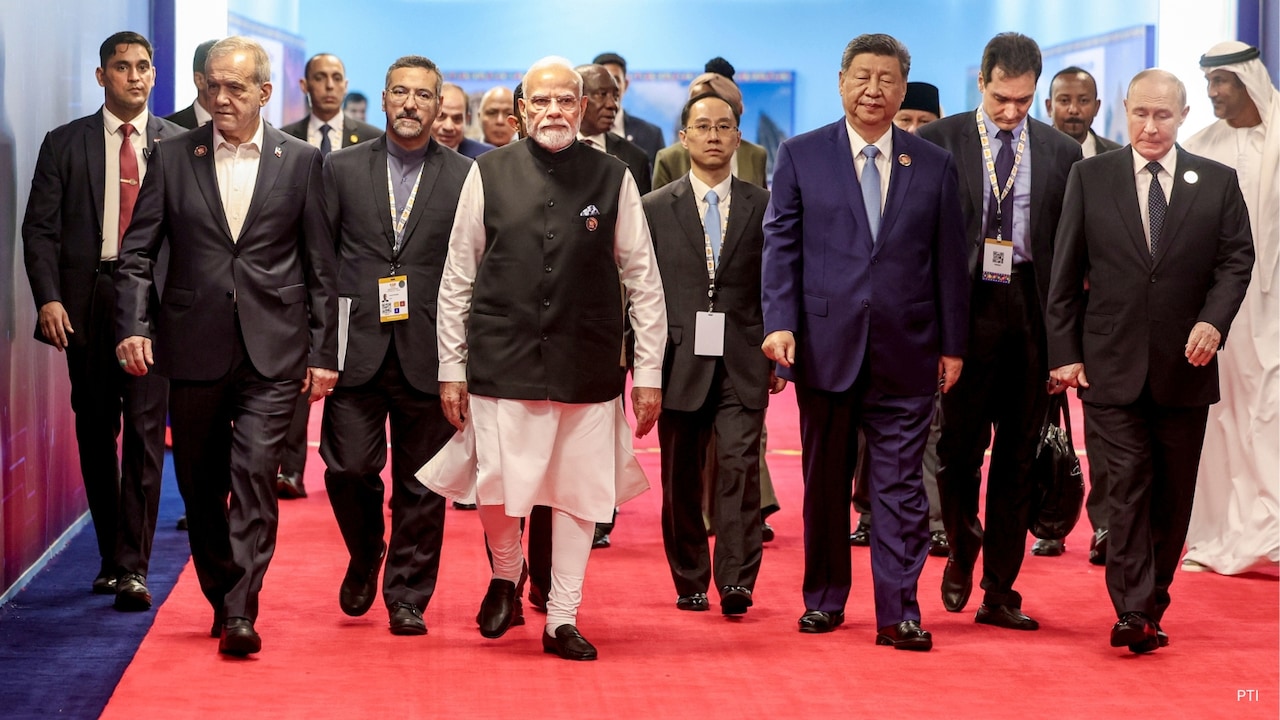
The geopolitical landscape of the Middle East has reached a critical juncture. During his visit to New Delhi for the BRICS Summit, Iranian President Masoud Pezeshkian delivered a stern warning to the United States. Speaking to India Today Group's Foreign Affairs Editor Geeta Mohan, Pezeshkian emphasized that Iran is prepared to respond to any attempts by Washington to blockade the Strait of Hormuz, a vital artery for global energy supplies.
The Strategic Standoff in the Strait
The Strait of Hormuz has become a high-stakes pressure point following a series of US-Israeli strikes and subsequent regional instability. Pezeshkian defended Iran's recent maneuvers, arguing that neither Iran nor its allies like Hezbollah initiated the current hostilities. Instead, he framed Iran's actions as a necessary defense against external aggression and regional interference.
Why This Matters
BozokMedia analysis shows that any disruption in the Strait of Hormuz could trigger a massive spike in global oil prices, potentially destabilizing international markets. The tension between Iran's defensive posture and the US's maritime enforcement creates a volatile environment for global trade and energy security.
'If we are alive, we have to respond. We will not respond when we are dead.' - Masoud Pezeshkian
A significant portion of the President's address focused on the devastating impact of economic warfare. Pezeshkian argued that US sanctions are not merely political tools but are designed to inflict suffering on the Iranian people, leading to unemployment, poverty, and widespread discontent. He asserted that since military objectives have failed, the US has turned to economic measures to crush the nation—a strategy he believes will ultimately fail.
Historical Background
The Strait of Hormuz has long been a flashpoint in US-Iran relations. For decades, Iran has utilized its geographic position to exert leverage over the global economy, particularly during periods of heightened tension with Western powers. The waterway remains one of the most sensitive maritime chokepoints in the world.
Frequently Asked Questions
1. What is Iran's condition for reopening the Strait?
Iran seeks an end to US blockades and the lifting of economic sanctions as a prerequisite for a stable maritime framework.
2. Is Iran working with any other regional powers?
Yes, President Pezeshkian mentioned that Iran is in negotiations with Oman regarding a specific maritime framework for the waterway.