Following drone strikes on Saudi Arabia's vital East-West oil pipeline launched from Iraqi soil, Baghdad has shuttered three major border crossings with Iran and dismissed a regional military commander.
- Iraq has temporarily closed three border crossings with Iran (Shalamcheh, al-Shib, and Mandali) following drone attacks.
- The drone strikes targeted Saudi Arabia's critical East-West oil pipeline.
- Prime Minister Ali al-Zaidi has dismissed the military commander of Maysan province.
- The attacks pose a significant threat to global oil supply stability.
The geopolitical landscape of the Middle East has been thrown into further turmoil as Iraq takes decisive action following drone attacks on Saudi Arabia’s strategic East-West oil pipeline. Confirming that the strikes originated from within its own territory, the Iraqi government has moved to close three major border crossings into Iran to prevent perpetrators from fleeing across the border.
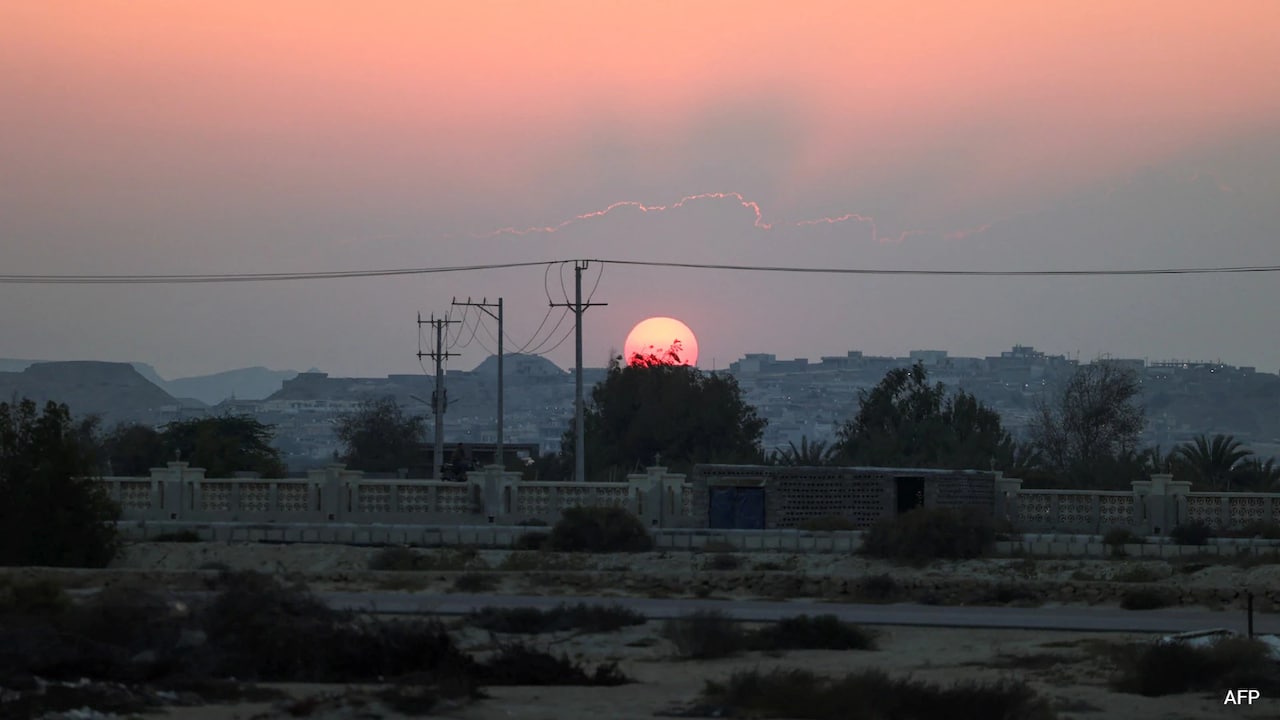
Security sources have identified the closed crossings as Shalamcheh in Basra, al-Shib in Maysan, and Mandali in Diyala. The situation in the Maysan province remains particularly tense; an intensive search operation is underway in the al-Tayyib border area after drone launch platforms were discovered on-site. In a swift administrative response, Iraqi Prime Minister Ali al-Zaidi has dismissed the military commander of the Maysan province for the security breach.
Why This Matters
BozokMedia analysis shows that this escalation directly threatens the global energy market. The Saudi East-West pipeline serves as the kingdom's primary alternative to the Strait of Hormuz, a maritime chokepoint currently under intense pressure. Any prolonged disruption to this pipeline could trigger a massive spike in global crude oil prices and increase Iran's geopolitical leverage during the ongoing US-Israel-Iran tensions.
The vulnerability of energy infrastructure in Iraq highlights the dangerous intersection of proxy warfare and global economic security.
While no specific group has claimed responsibility, the Islamic Resistance in Iraq (IRI)—an umbrella group of Iran-backed fighters—issued a statement calling the attack an "honor" they would not claim. Meanwhile, former US President Donald Trump suggested that Tehran is "probably" behind the operations, though no formal evidence has been presented. To mitigate further escalation, Prime Minister al-Zaidi has approved an Iranian request for a joint investigation into the drone launch sites.
Historical Background: The region has long been a theater for proxy conflicts involving Iran-backed militias and Saudi-aligned governments. With the Houthis in Yemen recently seizing the Red Sea coastline, the maritime and land-based energy corridors of the Gulf are facing unprecedented threats.
Frequently Asked Questions
1. Why did Iraq close the border crossings?
Iraq closed the crossings to prevent attackers involved in the drone strikes from escaping into Iran.
2. How does this affect oil prices?
The disruption of the Saudi pipeline limits oil export capacity, which typically leads to higher wholesale oil prices globally.