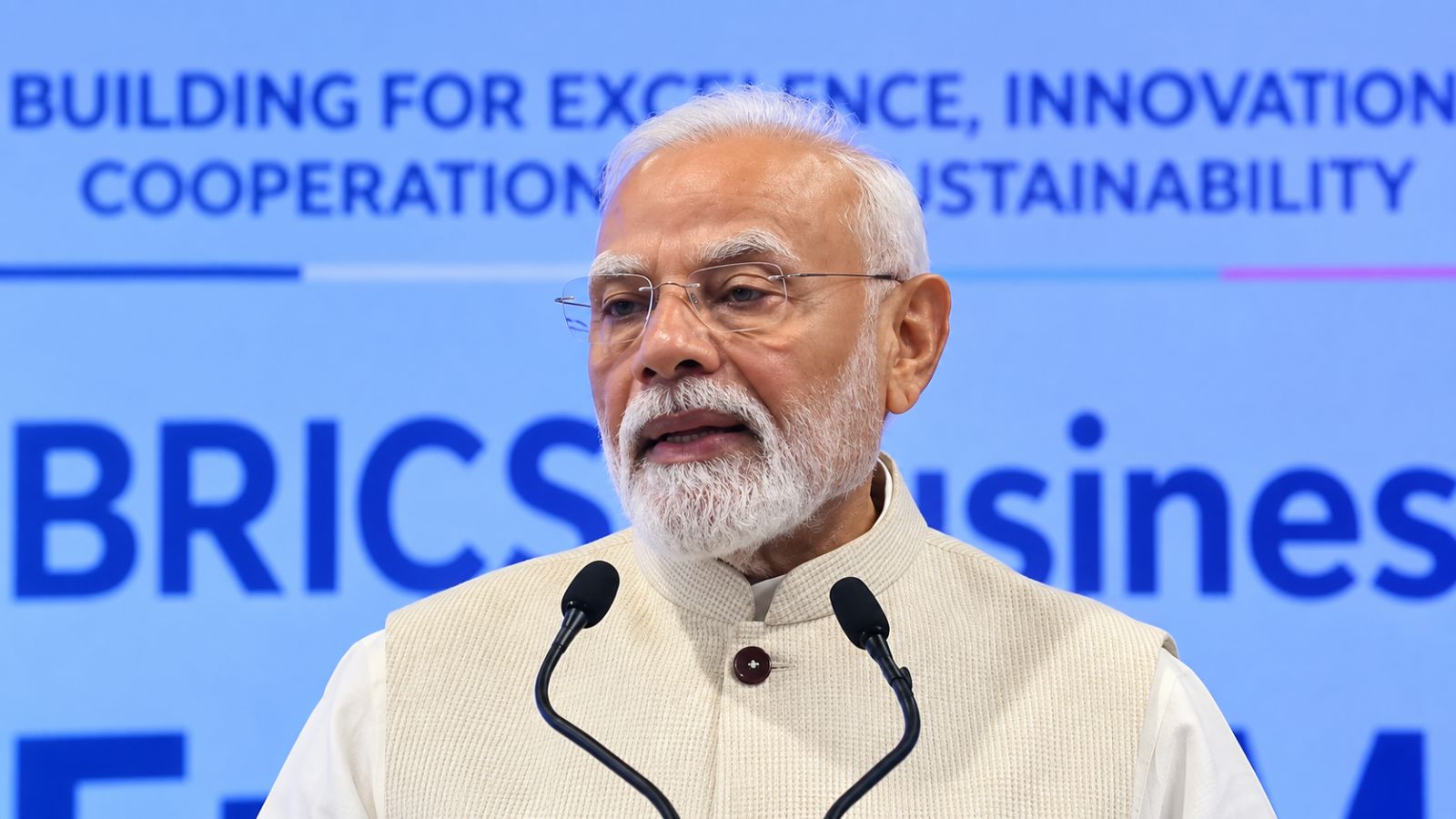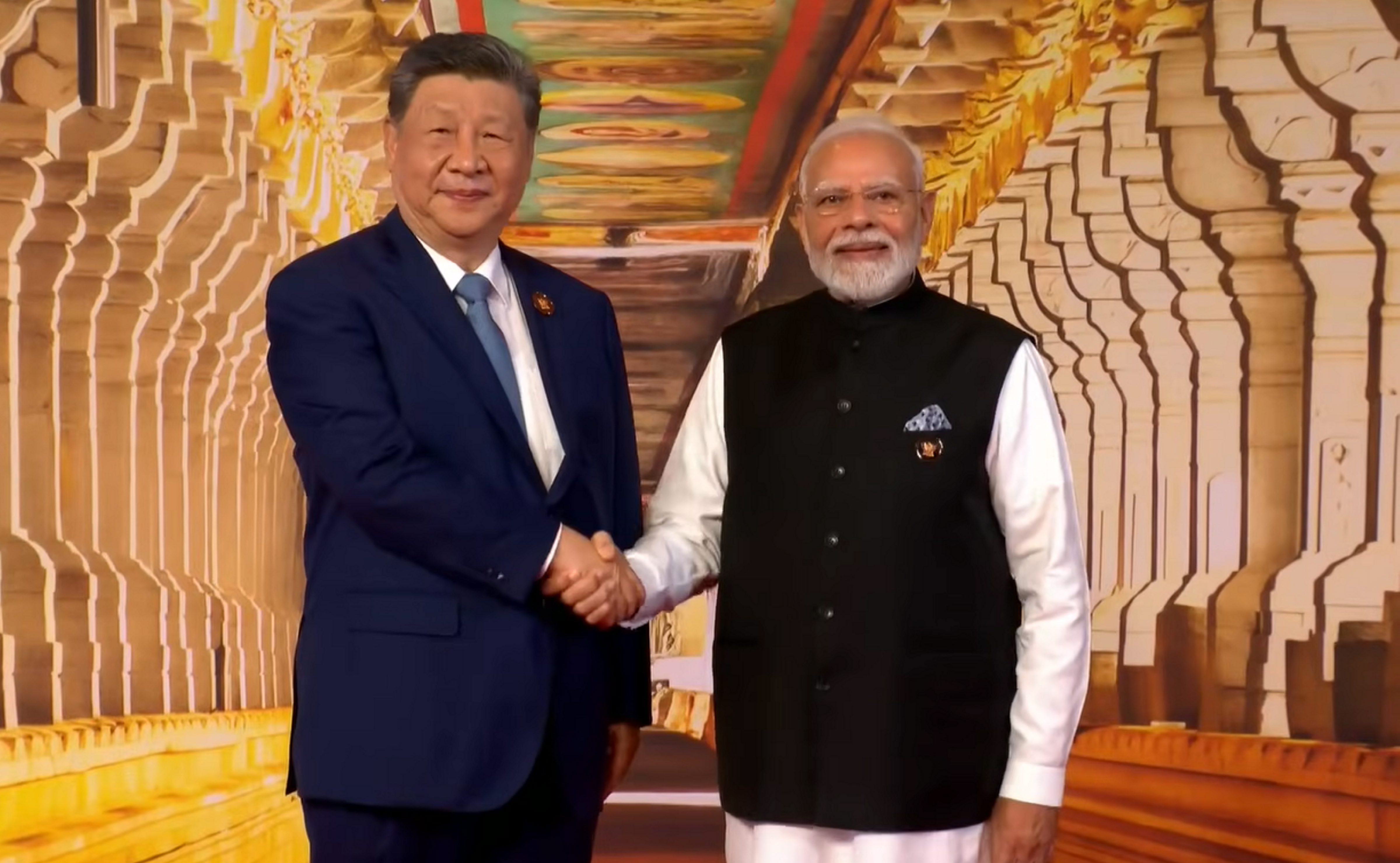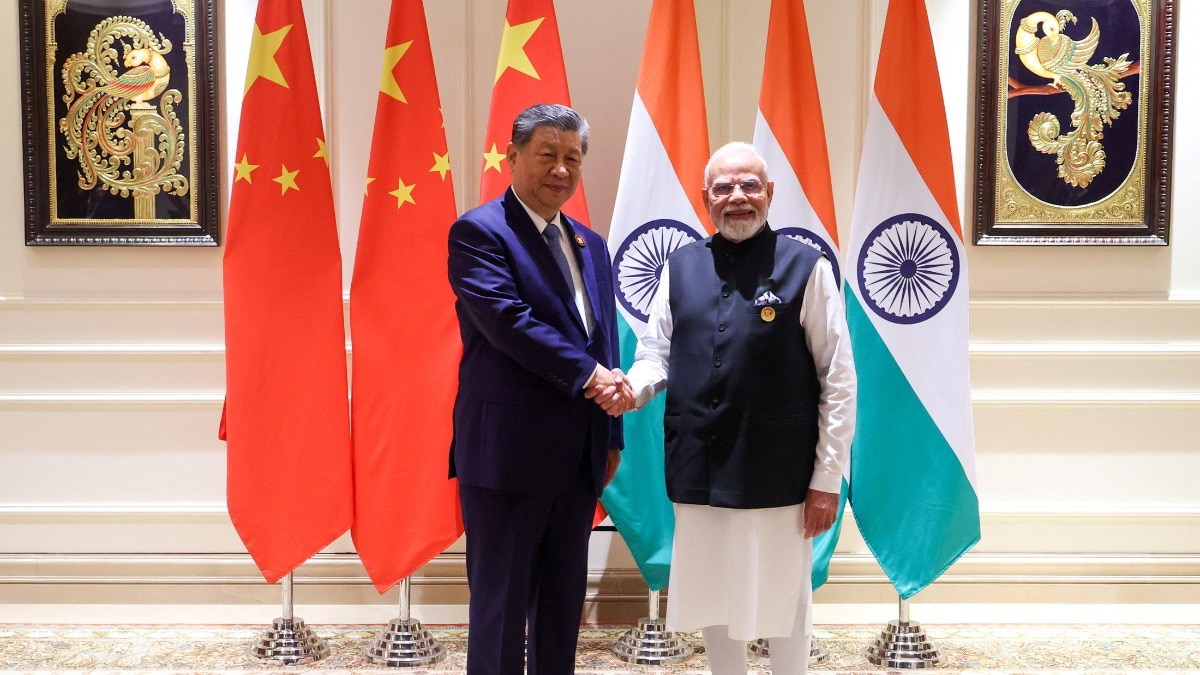
During the BRICS Summit in New Delhi, PM Narendra Modi and President Xi Jinping held high-level talks, emphasizing peace at the border and a long-term strategic approach to bilateral ties.
- Leaders agreed that bilateral differences must not transform into active disputes.
- Emphasis was placed on maintaining peace and tranquility along the shared border.
- Both nations committed to addressing trade imbalances and supply chain issues.
New Delhi: In a significant diplomatic development on the sidelines of the BRICS Summit 2026, Prime Minister Narendra Modi and Chinese President Xi Jinping engaged in high-level bilateral discussions. According to the Ministry of External Affairs, the core of the meeting revolved around ensuring that the differences between the two Asian giants do not escalate into permanent disputes.
The Prime Minister underscored the necessity of a strategic, long-term perspective regarding bilateral relations. He highlighted that the relationship should be anchored by three fundamental pillars: mutual respect, mutual sensitivity, and mutual interest. This framework is seen as essential for navigating the complexities of the Indo-China dynamic.
Why This Matters
BozokMedia analysis shows that this engagement marks a critical attempt to de-escalate regional tensions. As the world's two most populous nations, any stability in the India-China corridor has profound implications for global trade routes and geopolitical stability in the Indo-Pacific region.
Peace and tranquility on the border remain the indispensable foundation for any meaningful bilateral progress.
A central theme of the discussion was the boundary question. Both leaders expressed a commitment to finding a fair, reasonable, and mutually acceptable resolution. They emphasized the importance of adhering to existing agreements and understandings to maintain stability in border areas.
Beyond security, the leaders addressed economic concerns. They acknowledged the need to tackle structural trade imbalances and supply chain vulnerabilities. To foster economic growth, both sides discussed facilitating more predictable market access and promoting greater business linkages between the two nations.
Historical Background: The relationship between India and China has been characterized by periods of intense cooperation and severe friction, particularly concerning border demarcations. Following the progress noted since the Tianjin meeting in August 2025, this New Delhi summit represents a renewed effort to stabilize the relationship through structured dialogue.
Frequently Asked Questions
Question 1: What was the primary focus of the Modi-Xi meeting?
Answer: The primary focus was on managing border issues, preventing differences from becoming disputes, and strengthening economic ties.
Question 2: Where did this bilateral meeting take place?
Answer: The meeting took place in New Delhi during the BRICS Summit in September 2026.