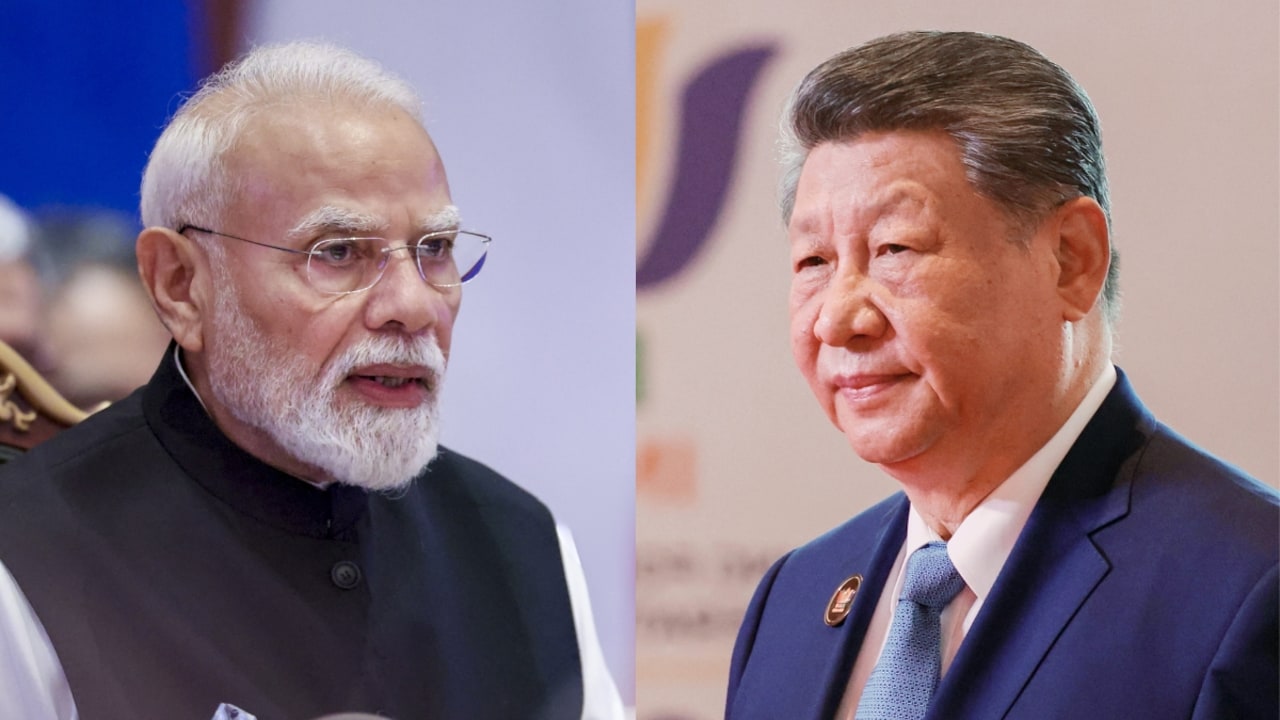
During a high-level meeting at the BRICS Summit, PM Modi proposed 'Mutual Respect, Sensitivity, and Interest' to stabilize India-China relations and resolve border tensions.
- PM Modi proposed the 'Mutual Respect, Sensitivity, and Interest' mantra.
- Peace at the borders was identified as the foundation for bilateral growth.
- Leaders discussed trade imbalances and supply chain concerns.
- This marks a significant bilateral encounter following the Galwan standoff.
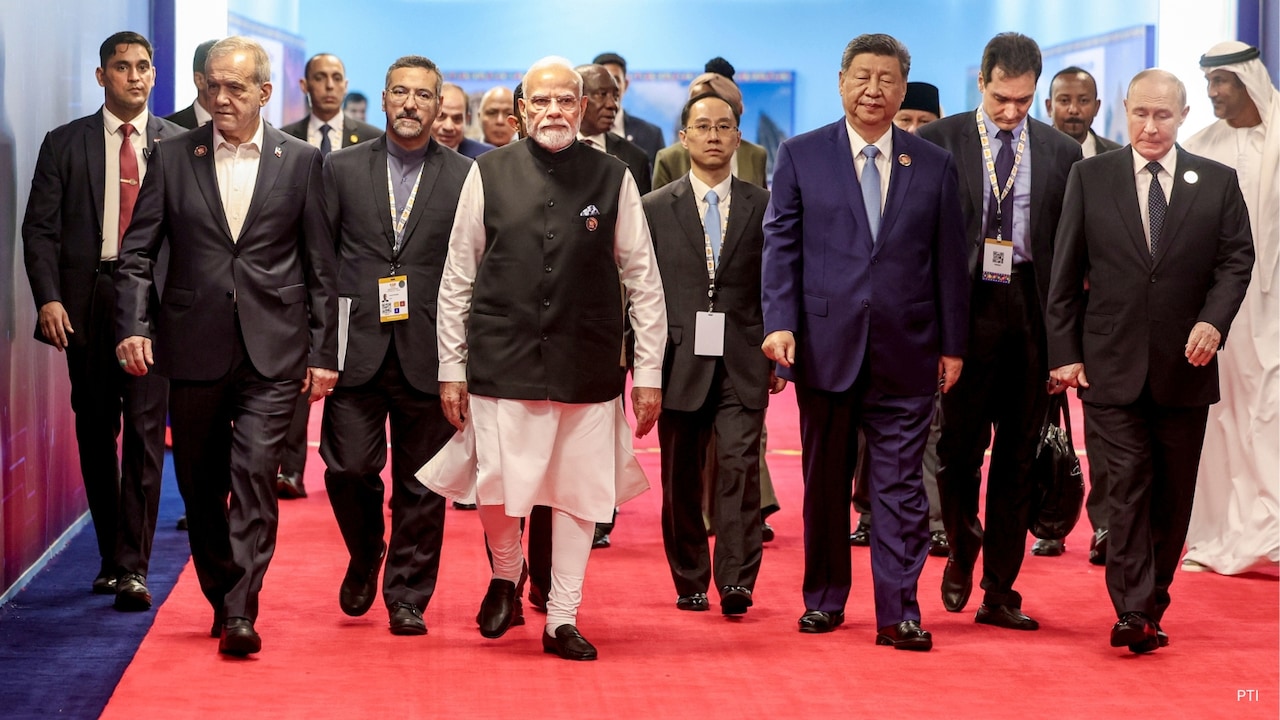
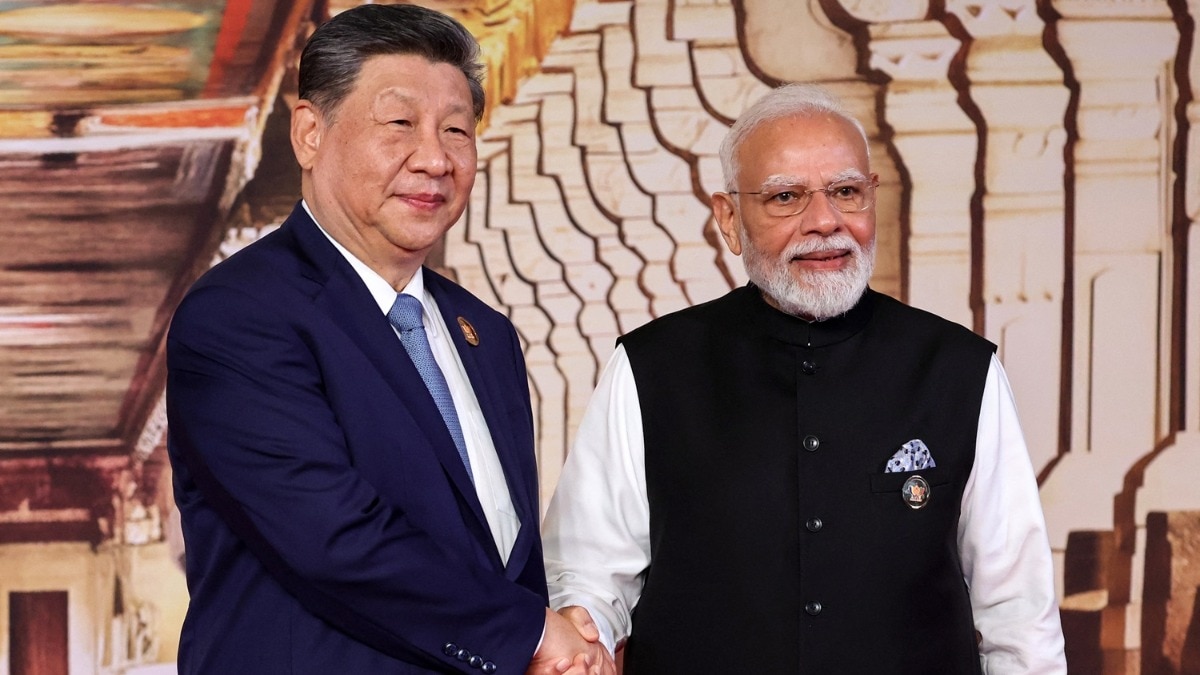
Prime Minister Narendra Modi and Chinese President Xi Jinping engaged in a pivotal 50-minute bilateral discussion on the sidelines of the BRICS Summit 2026. The meeting focused on navigating the complexities of the India-China relationship and ensuring long-term strategic stability. This encounter holds immense weight as it represents one of the first major bilateral interactions between the two leaders following the tensions stemming from the Galwan Valley clash.
During the dialogue, PM Modi emphasized that differences between the two nations should not escalate into disputes. To foster a healthy relationship, he introduced three essential pillars, termed as the 'Three Mutuals': Mutual Respect, Mutual Sensitivity, and Mutual Interest. He underscored that the continuous development of bilateral ties is contingent upon maintaining peace and stability in the border areas.
Why This Matters
BozokMedia analysis shows that the trajectory of Indo-China relations will dictate the geopolitical landscape of the Indo-Pacific region. By shifting the focus from confrontation to 'mutual interest,' India is attempting to create a framework where economic cooperation can coexist with territorial integrity.
Peace and stability in the border regions are the essential prerequisites for the sustained development of bilateral relations.
The discussions also delved into significant economic disparities. PM Modi highlighted the structural imbalances in trade, noting that India's heavy reliance on Chinese imports creates a significant trade deficit. Both leaders agreed on the necessity of addressing supply chain vulnerabilities and facilitating meaningful, reliable market access to ensure equitable economic growth for both nations.
Historical Background
The relationship between India and China has faced severe strain since the 2020 Galwan Valley incident, which disrupted decades of border management protocols. While diplomatic efforts resumed following the Tianjin meeting in August 2025, the 2026 BRICS summit serves as a critical litmus test for whether both nations can move toward a strategic and long-term coexistence.
| Focus Area | PM Modi's Stance | Common Ground |
|---|---|---|
| Border Issues | Peace & Stability Required | Commitment to fair solutions |
| Trade | Address Imbalance | Need for market access |
| Diplomacy | Mutual Respect/Sensitivity | Strategic long-term view |
Frequently Asked Questions
1. What are the three 'Mutual' principles mentioned by PM Modi?
The principles are Mutual Respect, Mutual Sensitivity, and Mutual Interest.
2. What was the primary focus regarding the border?
The focus was on maintaining peace and stability as a foundation for bilateral relations.