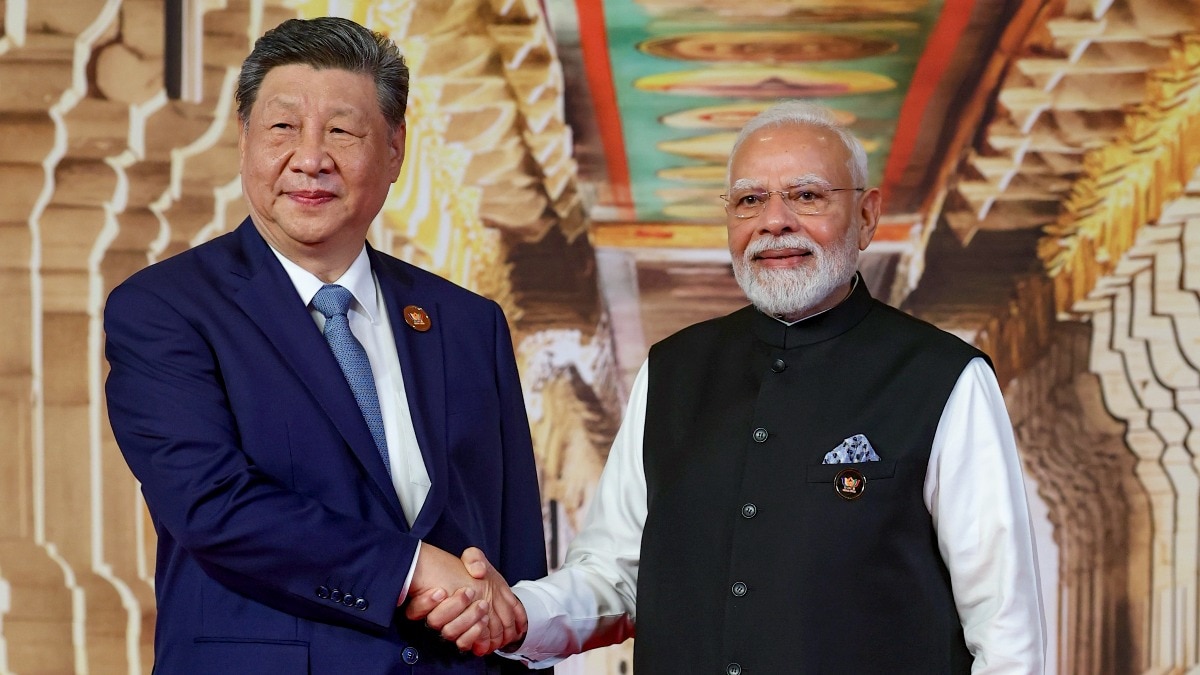
Chinese President Xi Jinping has called upon BRICS nations to act as a collective mediator to end the Middle East wars, signaling China's ambition to lead global diplomatic efforts over the US.
- President Xi Jinping advocated for BRICS to act as a mediator in Middle East conflicts.
- China aims to position itself as a neutral global peacemaker.
- The move challenges the traditional US-led diplomatic dominance in the region.
Chinese President Xi Jinping has formally urged the BRICS nations to step up and embrace a peacemaking role in the ongoing Middle East conflicts. This call comes amid escalating violence in Gaza and Lebanon, where international efforts to secure a sustainable ceasefire have largely stalled. Xi's proposal suggests that the expanded BRICS bloc possesses the unique diplomatic leverage required to bring warring factions to the table.
This strategic push is not merely about humanitarian concerns but is a calculated geopolitical maneuver. Beijing is actively seeking to redefine its role on the world stage, transitioning from a regional power to a global leader in conflict resolution. By utilizing the BRICS platform, China intends to offer an alternative to the Western-centric diplomatic approach, which it argues has failed to bring lasting peace to the region.
Why This Matters
BozokMedia analysis shows that this initiative is a cornerstone of China's strategy to promote a 'multipolar world.' By leading a coalition of emerging economies in peace negotiations, Xi is attempting to diminish the influence of the G7 and the United States in the Middle East. This shift indicates that BRICS is evolving from an economic cooperation forum into a potent political entity capable of shaping global security architecture.
"The transition of BRICS from an economic club to a diplomatic mediator is the most significant shift in 21st-century geopolitics."
Historically, the United States has been the primary architect of peace deals in the Middle East. However, China's successful mediation between Iran and Saudi Arabia in 2023 provided a proof-of-concept for Beijing. Xi now seeks to institutionalize this success through BRICS, leveraging the bloc's diverse membership to create a broader consensus for peace.
Despite the ambition, the path is fraught with obstacles. The internal diversity of BRICS members means that reaching a consensus on specific policy actions can be difficult. Furthermore, the deep-rooted nature of Middle Eastern conflicts requires more than just diplomatic rhetoric; it requires tangible security guarantees that BRICS, as a non-military alliance, may struggle to provide.
Frequently Asked Questions
1. Does BRICS have the power to enforce peace?
While BRICS lacks a formal military mechanism, its collective economic weight and diplomatic ties with non-Western states provide significant soft power.
2. Why is China leading this initiative?
China seeks to protect its energy security and trade routes in the Middle East while challenging US hegemony in global diplomacy.