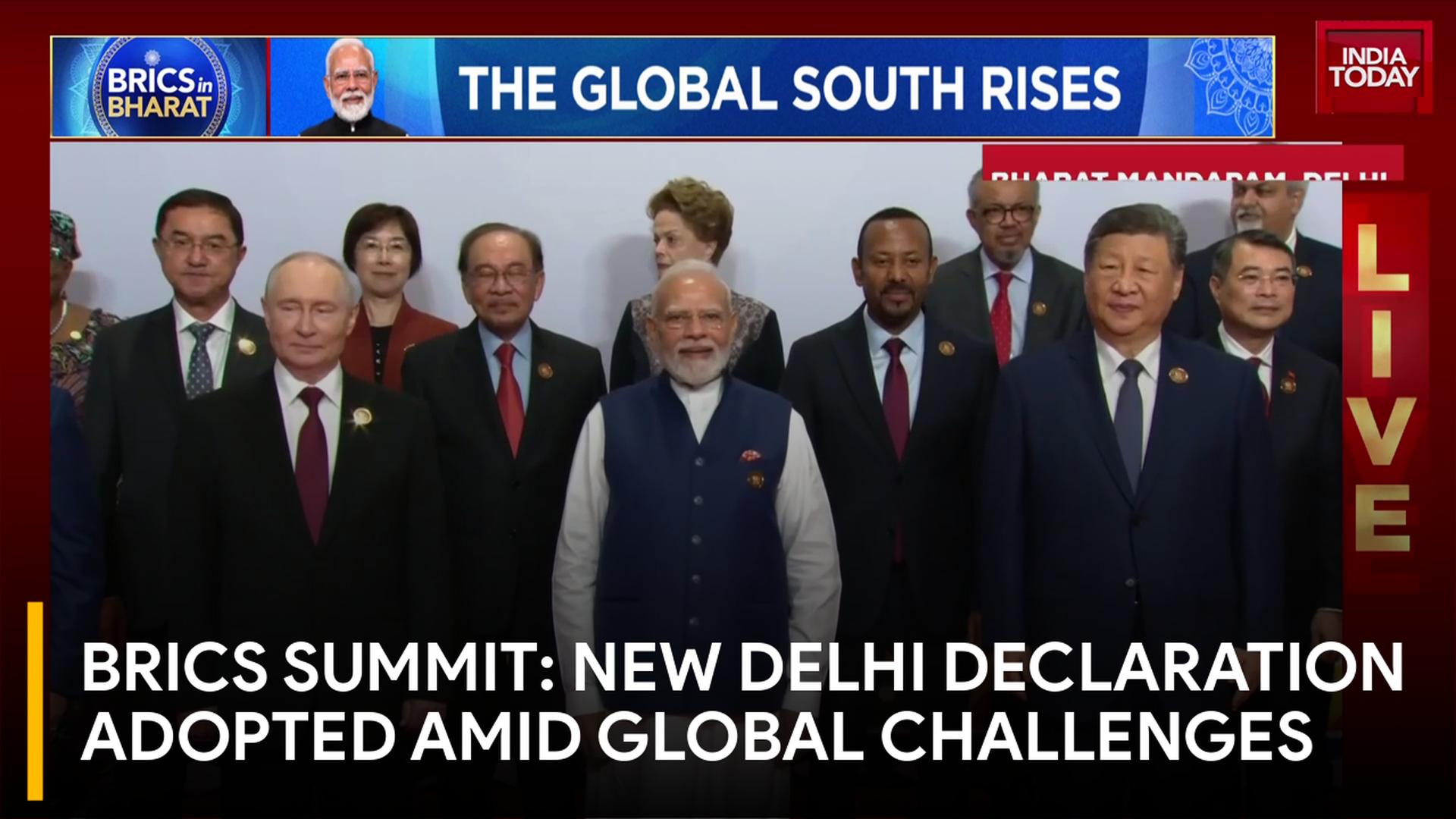
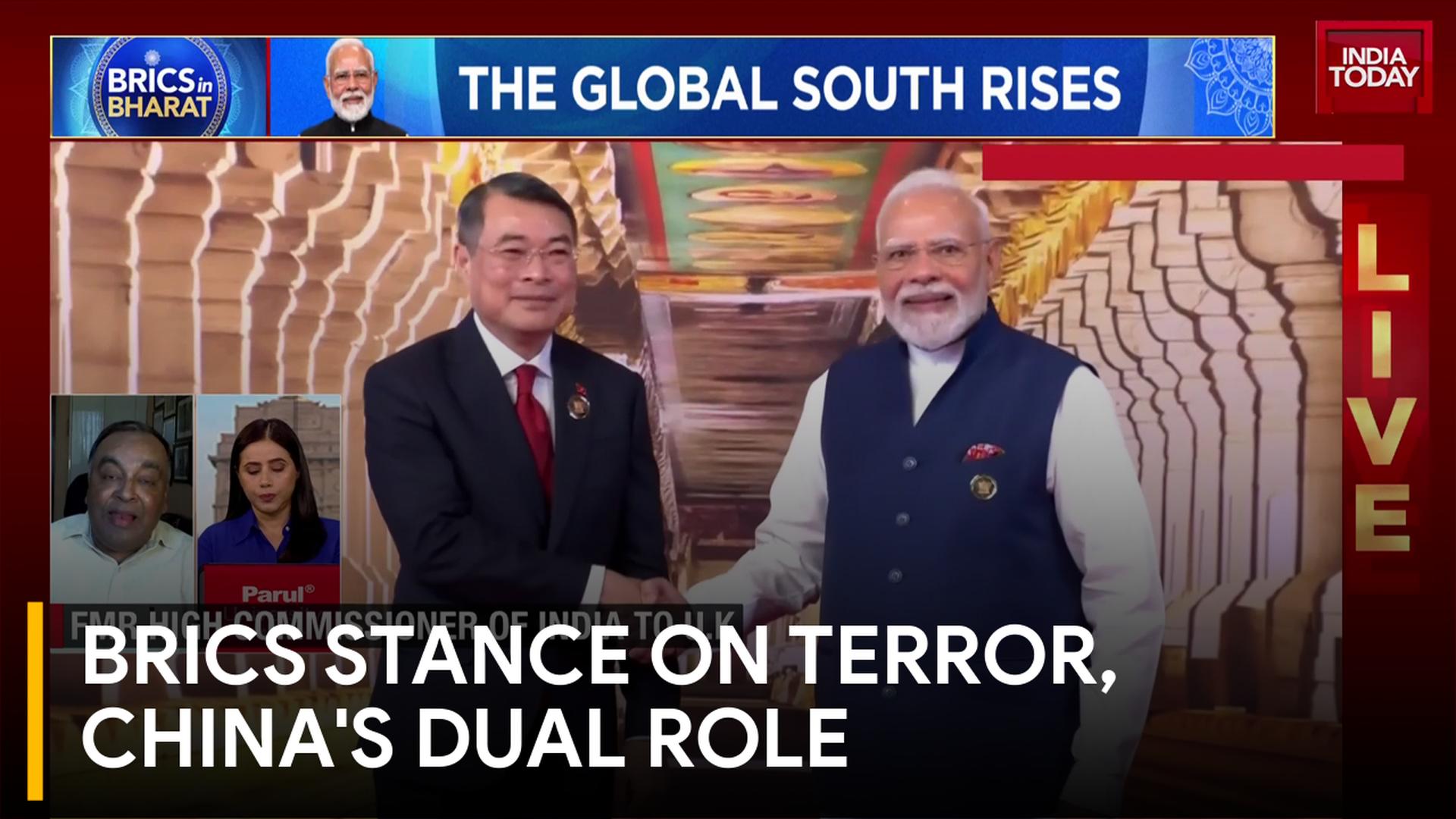
The BRICS 2026 summit has concluded with the release of the 'New Delhi Declaration,' marking a unified stance against terrorism, unilateral tariffs, and the conflict in Gaza.
- BRICS nations strongly condemned the April 22, 2025, Pahalgam terrorist attack.
- A consensus was reached to decouple terrorism from any religion or ethnicity.
- The group opposed unilateral economic sanctions and protectionist tariffs.
- Strong support was voiced for a two-state solution in Palestine.
The BRICS 2026 summit held in India has culminated in the historic 'New Delhi Declaration.' This comprehensive 45-page document, comprising 140 distinct points, represents a unified vision for a multipolar world order, focusing heavily on security, economic fairness, and humanitarian stability.
Condemnation of the Pahalgam Attack
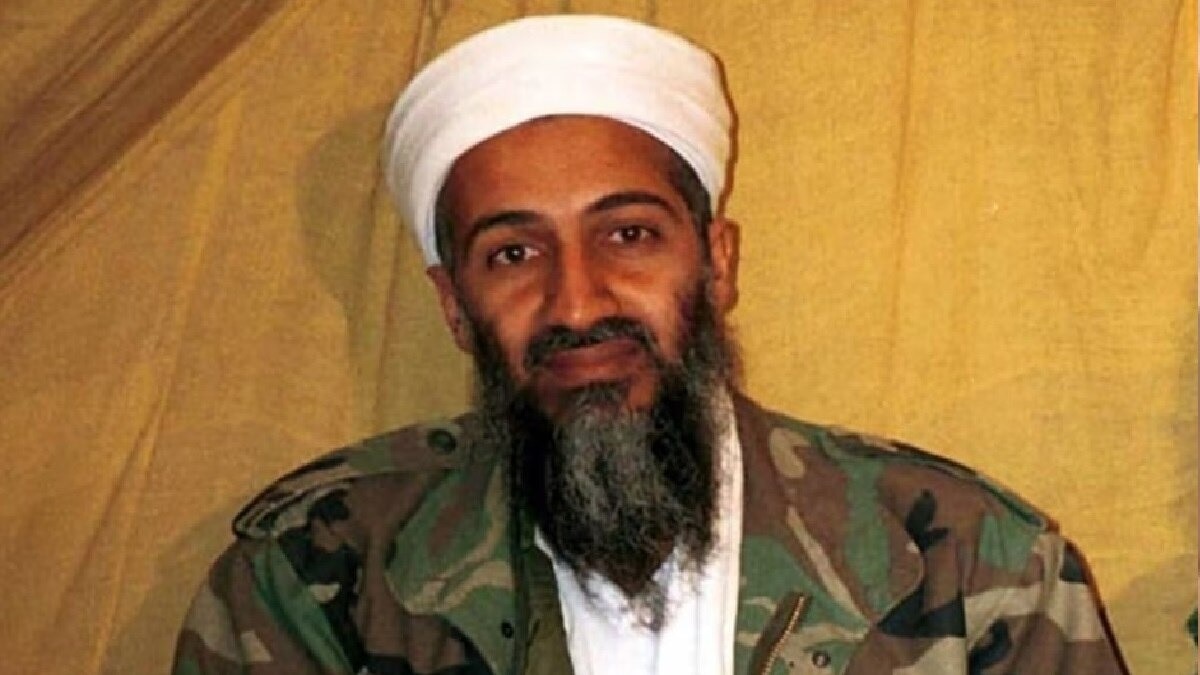
In a significant diplomatic move, the declaration specifically addressed the terrorist attack in Pahalgam, Jammu & Kashmir, which occurred on April 22, 2025, resulting in 26 deaths. The BRICS leaders issued a scathing condemnation, stating that no cause or motive can ever justify acts of terrorism. The group committed to fighting cross-border terrorism, terror financing, and the provision of safe havens for terrorists.
Why This Matters
BozokMedia analysis shows that by explicitly naming the Pahalgam attack, BRICS has transitioned from a purely economic bloc to a significant geopolitical actor capable of addressing regional security crises. The emphasis on 'zero tolerance' and the rejection of 'double standards' in counter-terrorism marks a shift in how the Global South views international security mandates.
The rejection of double standards in counter-terrorism is a pivotal moment for global diplomatic equity.
Beyond security, the declaration tackles the rising tide of economic protectionism. The group expressed grave concerns over unilateral tariffs and non-tariff measures that violate World Trade Organization (WTO) norms. Leaders argued that such actions disrupt global supply chains and exacerbate economic inequality between nations.
Middle East and the Gaza Crisis
The geopolitical landscape of the Middle East was also a central theme. BRICS expressed deep concern over the escalating tensions in West Asia, calling for an immediate ceasefire in Gaza and unhindered humanitarian access. The declaration reaffirmed support for a two-state solution, advocating for a sovereign Palestinian state based on the 1967 international borders with East Jerusalem as its capital.
Frequently Asked Questions
1. What was the BRICS stance on terrorism?
BRICS emphasized that terrorism should not be linked to any religion or ethnicity and called for global cooperation to stop terror financing and safe havens.
2. How did the declaration address the Gaza conflict?
The declaration called for a ceasefire, humanitarian aid, and a two-state solution based on 1967 borders.