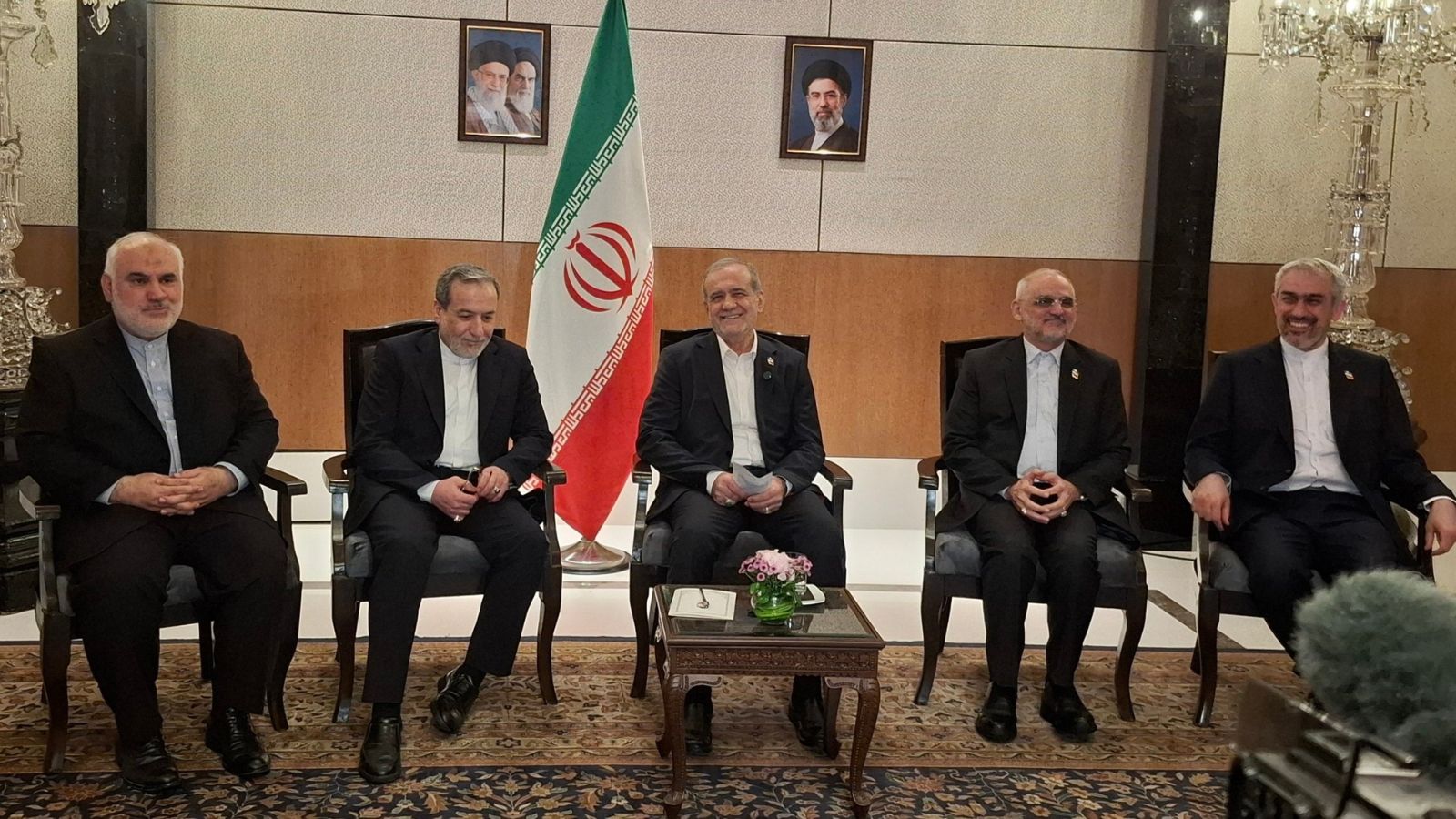
Iran is set to host a high-stakes meeting in Oman with Iraq and Gulf nations to discuss regional security and the Strait of Hormuz. However, Bahrain has officially declined participation, citing unresolved diplomatic tensions.
- Iran plans to meet Iraq and GCC nations in Oman to discuss the security of the Strait of Hormuz.
- Bahrain has refused to participate, stating that regional stability cannot be achieved through appeasement.
- The blockade of the Strait of Hormuz continues to threaten global energy supplies and economic stability.
Iran has announced plans to convene a pivotal meeting in Oman this Monday, involving Iraq and several Gulf nations. The primary agenda is to address the security of the Strait of Hormuz, a critical maritime chokepoint that remains under significant tension due to Tehran’s blockade and the ongoing diplomatic deadlock with the United States.
Esmaeil Baghaei, spokesperson for Iran’s Ministry of Foreign Affairs, framed the meeting as a gesture of "good intention." He emphasized that regional security must be managed by the countries of the region themselves, without the intervention of outside powers or foreign military bases. This stance comes despite recent accusations from Gulf nations regarding Iranian attacks on civilian infrastructure.
Why This Matters
BozokMedia analysis shows that the Strait of Hormuz is a vital artery for the global economy, facilitating the passage of approximately one-fifth of the world's oil and gas. Any disruption in this waterway has immediate, cascading effects on global energy prices and the economic stability of oil-dependent nations across the Middle East and beyond.
The struggle for control over the Strait of Hormuz is not just a regional dispute; it is a global economic flashpoint.
A central component of the discussions involves a potential agreement between Iran and Oman regarding shipping routes. However, Iranian Foreign Minister Abbas Araghchi has clarified that any such agreement will not necessarily lead to the full reopening of the strait. Tehran maintains that the United States must honor previous commitments, specifically the memorandum of understanding signed in June, which collapsed in July.
In a significant diplomatic snub, Bahrain has announced it will not participate in the summit. The Kingdom of Manama stated that security and stability cannot be maintained through a "policy of appeasement." Bahrain remains firm in its position that diplomatic relations with Iran must be fully restored before it engages in collective regional meetings involving Tehran.
Historical Background
The diplomatic rift between Bahrain and Iran dates back to 2016, when Bahrain, alongside Saudi Arabia, severed ties with Tehran during a period of heightened regional rivalry. While Saudi Arabia successfully restored diplomatic relations in 2023, Bahrain has maintained its cautious and confrontational stance, particularly following attacks on its domestic infrastructure.
Frequently Asked Questions
1. Why is the Strait of Hormuz so important?
It is a critical waterway through which a massive portion of the world's oil and gas supplies pass daily.
2. What is Bahrain's official stance on the meeting?
Bahrain refuses to participate until diplomatic relations with Iran are officially resumed.