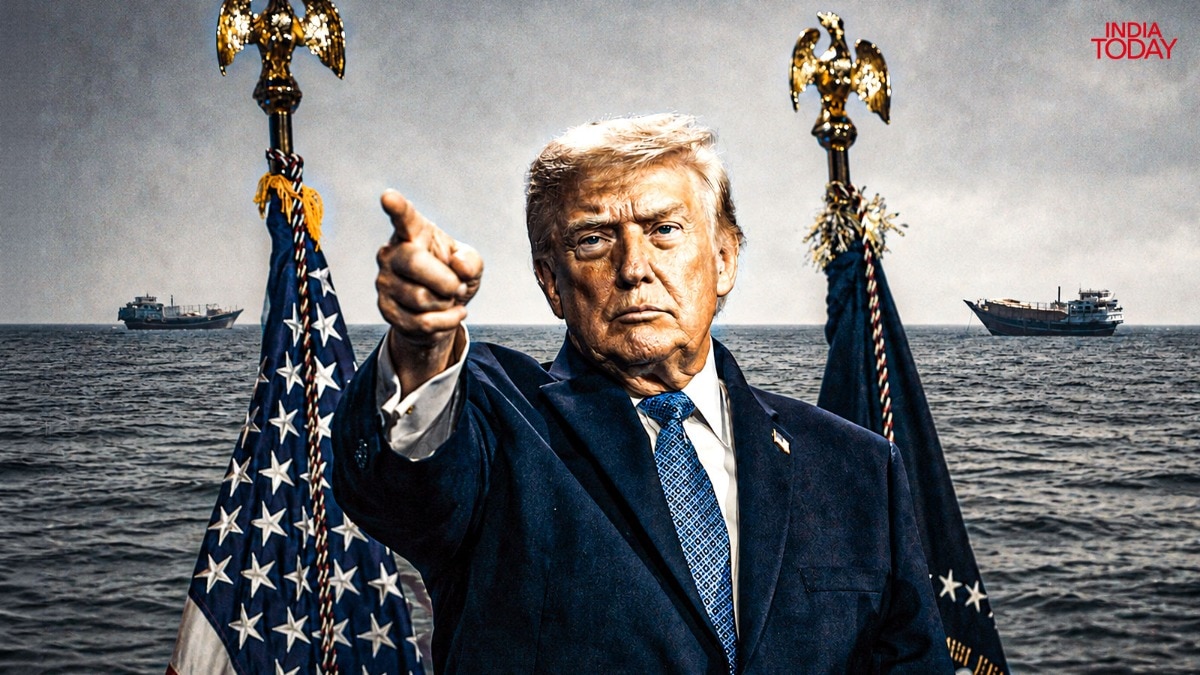
Pakistan's top military commander has ruled out any armed response under the Mecca Pact, even as Houthi attacks threaten the Red Sea oil corridor. The decision leaves Saudi Arabia to reassess its security strategy amid growing regional tensions.
- Pakistan has refused to provide military assistance under the Mecca Pact.
- Houthi attacks continue to jeopardize the vital Red Sea oil route.
- Saudi Arabia must now explore alternative security options.
Pakistan’s Field Marshal General Qamar Javed Bajwa publicly stated that no military response is being discussed under the Mecca Pact, a trilateral security framework signed in 2023 between Saudi Arabia, the United Arab Emirates and Israel. The remark, reported by Reuters, comes as the Iran‑backed Houthi rebels intensify attacks on Saudi‑flagged vessels in the Red Sea.
The Mecca Pact was conceived to safeguard the Red Sea oil corridor, deter hostile actions, and foster a broader regional security architecture. By refusing to commit forces, Pakistan undermines the pact’s core objective of collective defense.
Historical Background: Pakistan has historically exercised caution in Middle‑East entanglements. In the 1990s, it declined to join the U.S.-led coalition against Iraq, opting for a more balanced diplomatic stance. Today, deepening ties with Iran and a reluctance to confront Houthi‑aligned forces echo that same strategic prudence.
The Houthi movement, based in northern Yemen, has launched a series of successful missile and drone strikes against Saudi oil tankers, causing temporary disruptions in global oil markets and raising insurance premiums for shipping firms.
Saudi Arabia has expressed disappointment, warning that its security calculus may shift toward other partners, including the United States and European NATO members, who are already increasing naval patrols in the region.
Why This Matters
BozokMedia analysis shows that Pakistan's refusal weakens the collective security architecture envisioned by the Mecca Pact, forcing Saudi Arabia to seek alternative allies and potentially reshaping power dynamics in the Red Sea corridor.
"Pakistan's decision reflects a strategic calculation to avoid direct confrontation with Iran‑backed forces, even at the cost of alienating Saudi Arabia," says regional security expert Dr. Aisha Khan.
Frequently Asked Questions
Q1: Could Pakistan re‑enter the Mecca Pact in the future?
A1: Re‑engagement is possible, but it would require a significant shift in Pakistan’s relations with Iran and the Houthi movement.
Q2: What alternatives is Saudi Arabia exploring?
A2: Saudi Arabia is looking to deepen U.S. and European naval cooperation and consider building an independent maritime security force.