In Jharkhand's Godda district, a massive voter list revision exercise has sparked intense fear among minority communities. Following bulk deletion requests filed by BJP agents, villagers worry about their status as Indian citizens and access to welfare benefits.
- A Special Intensive Revision (SIR) in Jharkhand's Godda district has triggered fears of mass voter deletions.
- BJP Booth Level Agents (BLAs) have reportedly submitted bulk 'Form 7' applications, targeting minority members.
- Villagers fear that removal from the electoral roll will lead to a loss of citizenship identity and government welfare access.
- Election officials state that all deletion requests must undergo ground verification before being processed.
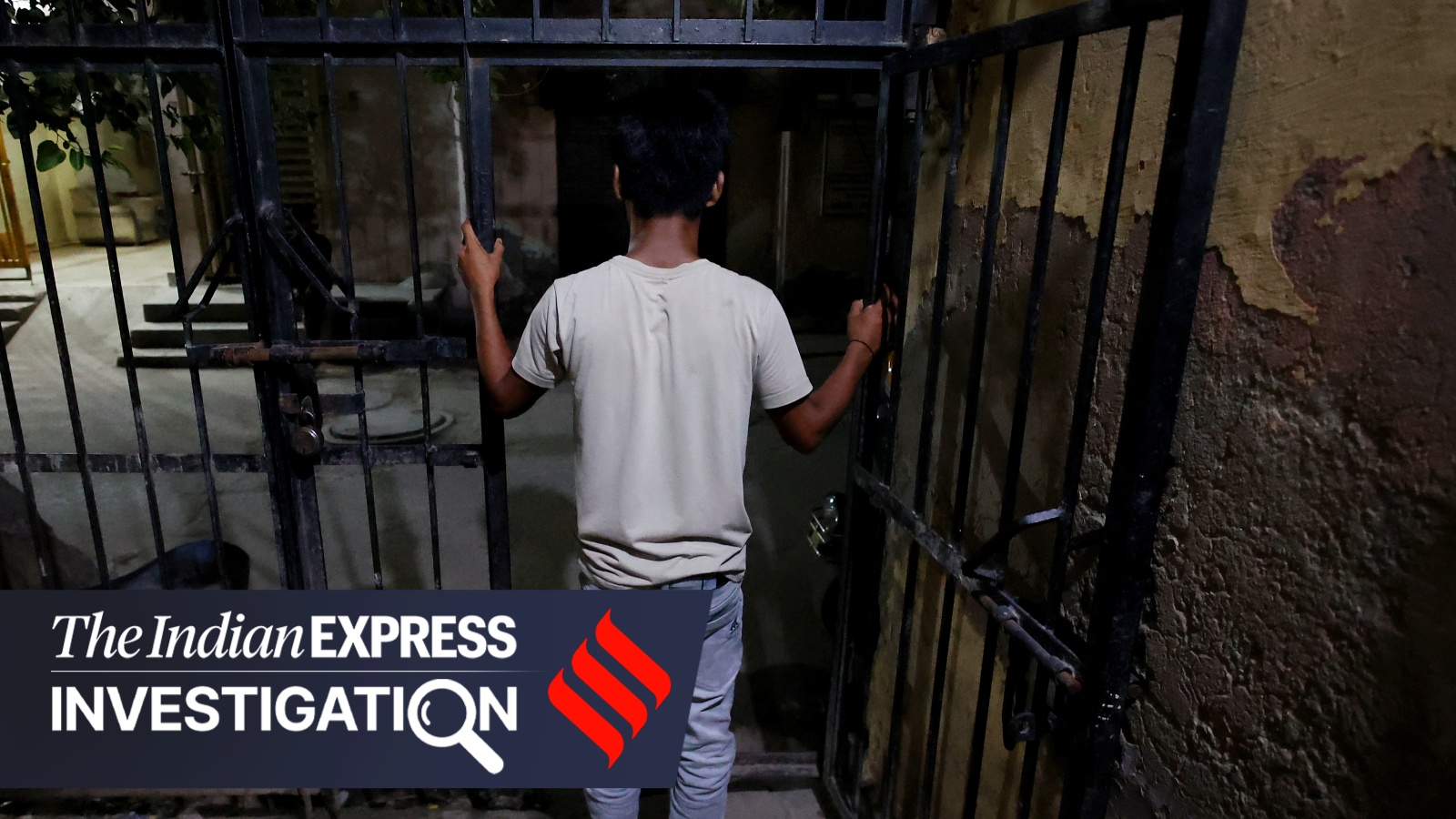
In the quiet village of Maheshtikri, located in the Godda district of Jharkhand, a profound sense of anxiety is sweeping through the community. As part of the Special Intensive Revision (SIR) of electoral rolls, residents are grappling with a terrifying question: "What if we are no longer seen as Indians?"
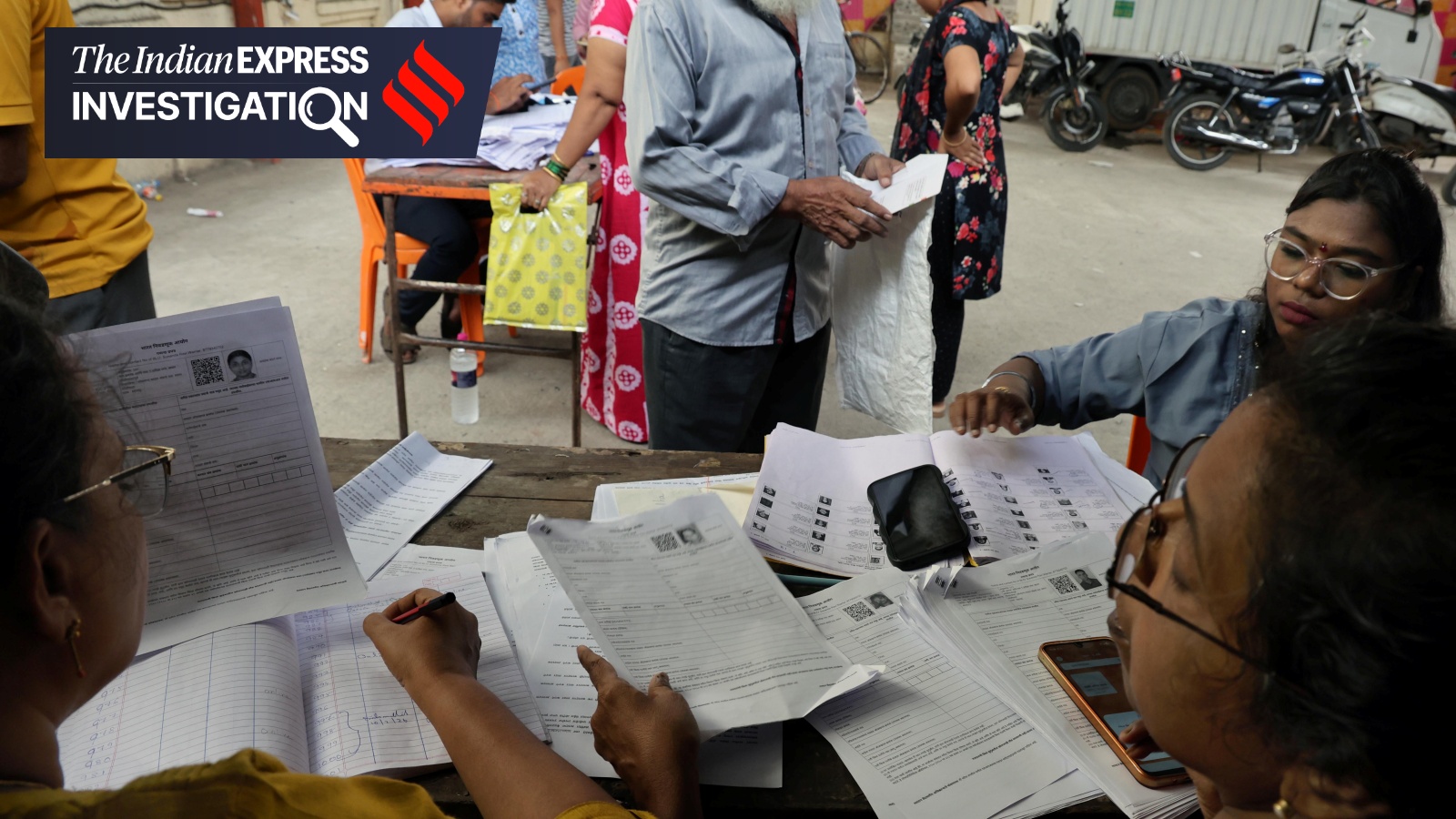
An investigative report by The Indian Express reveals that since the draft roll was published on August 5, Booth Level Officers (BLOs) in at least four booths have flagged irregularities. They reported that Booth Level Agents (BLAs) associated with the BJP have submitted numerous Form 7 applications—the legal mechanism to request the removal of a voter's name. Crucially, many of these applications are reportedly not in the prescribed format and disproportionately target members of the minority community.
Why This Matters
BozokMedia analysis shows that this situation transcends mere administrative updates. When the process of maintaining electoral rolls becomes a tool for demographic scrutiny, it strikes at the heart of social cohesion. The fear of being 'un-personed' from the national identity can have devastating psychological and socio-economic consequences for marginalized groups.
The integrity of the electoral roll is the bedrock of democracy; any perception of targeted exclusion can undermine public trust in the entire electoral machinery.
For 70-year-old Abdul Mannan Khan, the threat is personal. His family has inhabited Maheshtikri for generations, and his name has been present in the electoral rolls since at least 2003. "This is our home and we are Jharkhandi too," he stated, expressing his bewilderment at the sudden challenge to his existence. Similarly, 50-year-old Mohammad Naushad expressed concern that losing his voter status would strip him of essential state welfare benefits.
Local administration has acknowledged the tension. Block Development Officer (BDO) Sriman Marandi confirmed receiving complaints from several booths, including Maheshtikri and Pachua Kita. While the state's Chief Electoral Officer, K Ravi Kumar, noted that bulk deletion requests are legally permissible, he emphasized that every claim must be substantiated through a probe. Currently, the SIR exercise in Jharkhand has seen the exclusion of approximately 16.48 percent of voters, totaling nearly 43 lakh deletions across the state.
Historical Background
Electoral roll revisions in India are periodic and intended to ensure accuracy. However, in states like Jharkhand, where land rights (Khatian) and ethnic identity are deeply intertwined, the revision process often becomes a flashpoint for political and communal tensions. The 2026 SIR is one of the most significant and controversial exercises in recent years.
Frequently Asked Questions
Question 1: What is a Form 7 application?
Answer: It is an official form used to request the removal of a name from the electoral roll or to object to a name being included.
Question 2: Does removal from the voter list mean loss of citizenship?
Answer: Legally, no; however, it removes a person's right to vote and can complicate their ability to access various government-subsidized services.