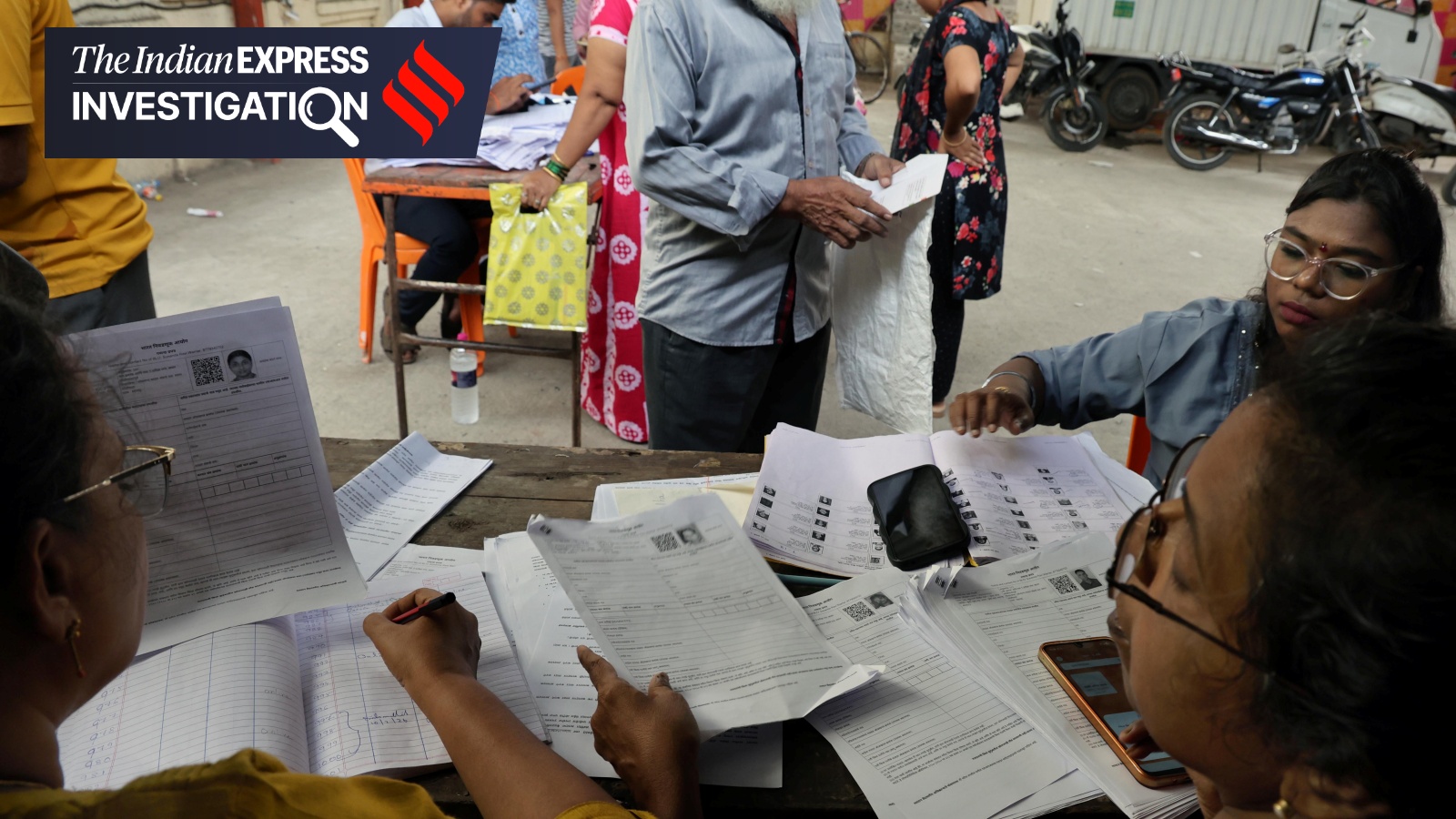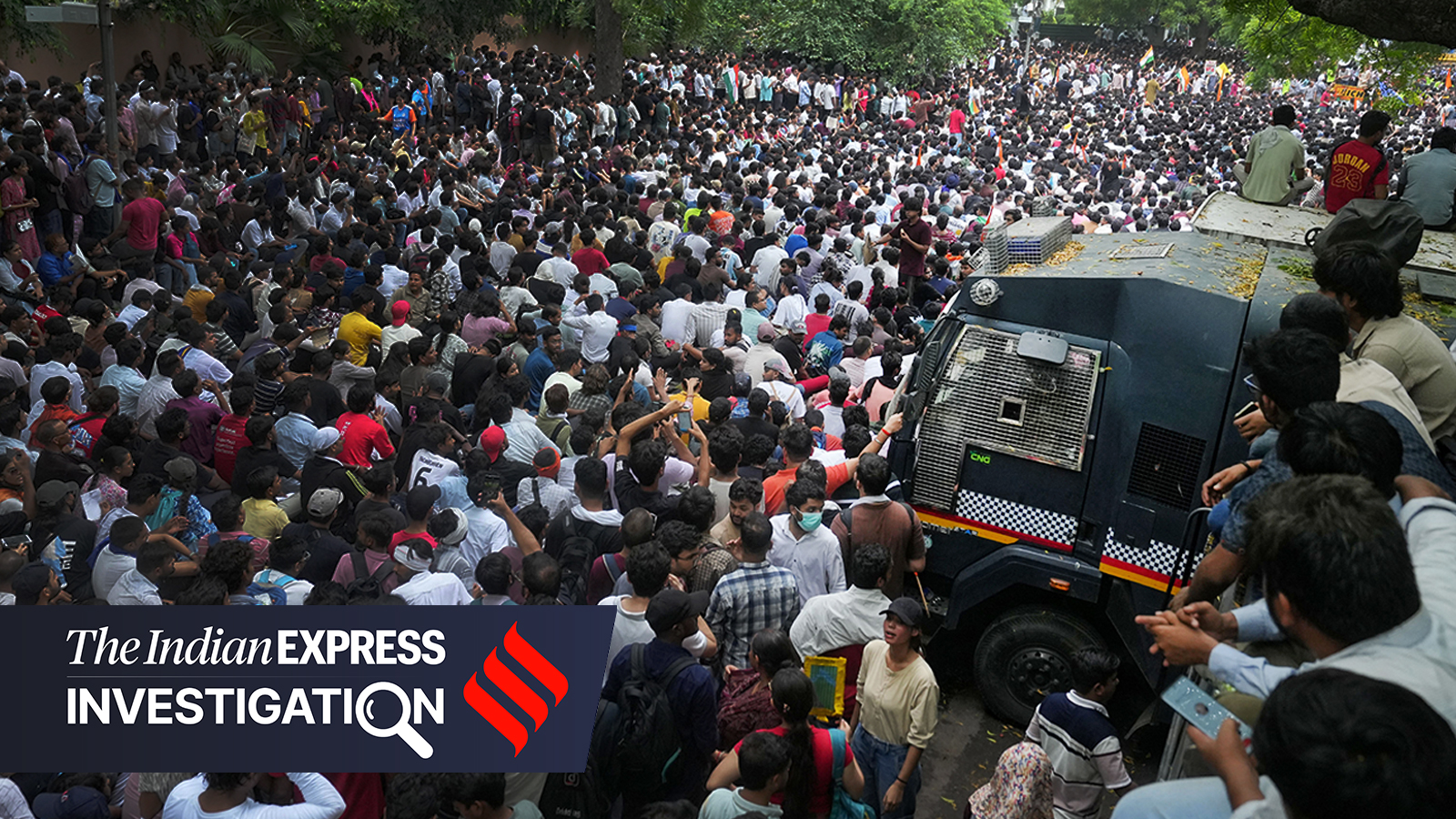
An investigation reveals that at least 25 individuals flagged by Delhi Police's facial recognition software at Jantar Mantar were actually already in jail facing serious charges like murder and rape. This discrepancy raises critical questions about the accuracy of AI-driven policing.
- Delhi Police's Facial Recognition System (FRS) flagged 2,873 individuals with criminal antecedents during Jantar Mantar protests.
- Investigation shows at least 25 of those flagged—facing murder, rape, and child abuse charges—were already incarcerated in Delhi prisons.
- The police maintain that no action will be taken without thorough 'field verification.'
A significant technical discrepancy has emerged in the deployment of surveillance technology by the Delhi Police. While the force claimed its facial recognition software identified thousands of individuals with criminal records during the Jantar Mantar protests between July 20 and 26, an investigation by The Indian Express reveals that several of these 'protesters' were actually behind bars at the time of the incident.
The controversy stems from an affidavit submitted to the Supreme Court, where police stated that their system flagged 2,873 people whose particulars matched official criminal databases. However, a deep dive into the profiles of those accused of heinous crimes—including murder, rape, and POCSO offenses—shows that a significant number were already serving time in Tihar, Mandoli, or Rohini prisons.
The Discrepancy in Numbers
Out of the 205 individuals identified with serious charges, the investigation found that 17 people accused of murder, 4 accused of rape (including two POCSO cases), and 4 accused of attempted murder were actually in jail when the FRS flagged them at the protest site. These individuals were identified on various dates between July 24 and July 26, 2026.
BozokMedia analysis shows that this mismatch points to a critical failure in the synchronization between real-time facial recognition data and the current status of inmates in the prison database. If the software cannot distinguish between a person on the street and a person in a cell, the reliability of the entire surveillance apparatus is compromised.
The reliance on automated facial recognition without real-time database synchronization can lead to massive systemic errors and potential civil rights violations.
Why This Matters
As law enforcement agencies globally move toward AI-driven policing, the margin for error must be near zero. The ability of the Delhi Police to flag incarcerated individuals as active participants in a protest suggests a profound flaw in the 'Crime Kundli' database or the FRS integration. For citizens, this raises the specter of 'false positives' where innocent individuals could be misidentified as criminals due to similar facial features or outdated data.
| Offense Category | Total Flagged | Actually in Jail |
|---|---|---|
| Murder | 101 | 17 |
| Rape/POCSO | 67 | 4 |
| Attempt to Murder | 37 | 4 |
Frequently Asked Questions
1. What is the police's response to these findings?
The Delhi Police stated that while 2,873 individuals were identified, further field verification is pending before any formal action is taken.
2. How does the software identify criminals?
The FRS compares live facial scans against the police's biometric database, known as Crime Kundli.