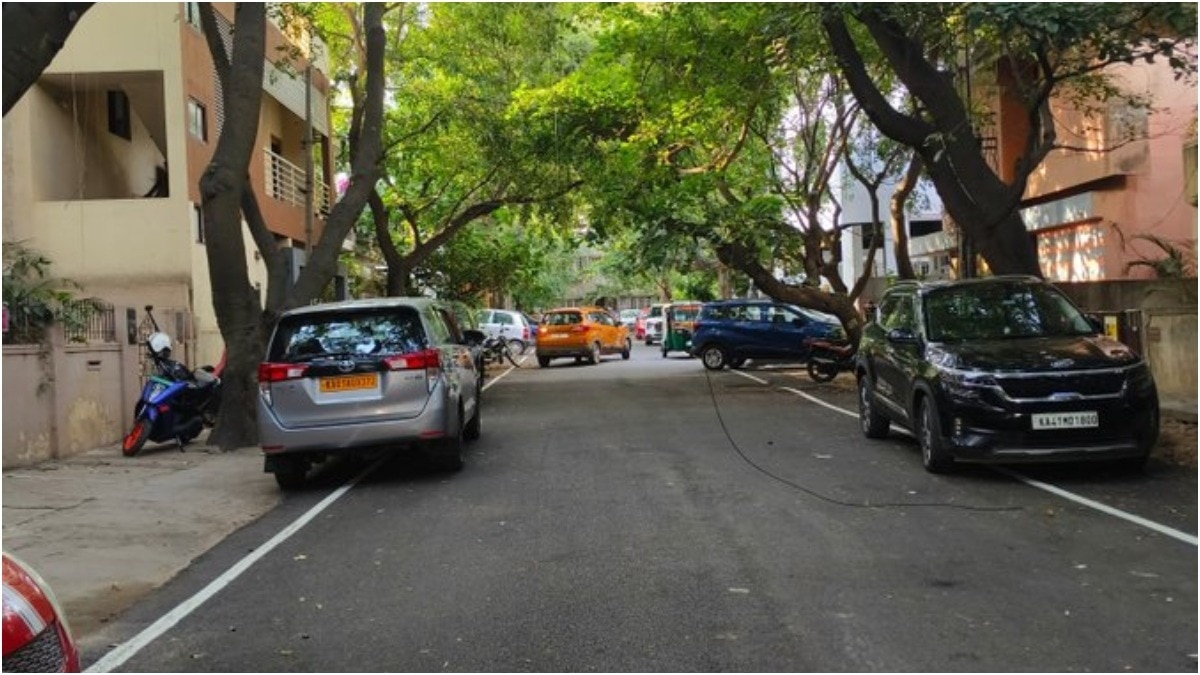
During monsoon, parts of Bengaluru turn into waterlogged zones, while Indiranagar’s 100‑Foot Road thrives like a European boulevard. A viral X post highlighted this stark contrast, sparking fresh debate on the city’s uneven development.
Key Takeaways
- Bengaluru showcases a stark divide between flood‑prone neighborhoods and well‑planned avenues.
- Indiranagar’s 100 Foot Road is praised as a model of urban design.
- Social‑media discussion may reshape future city‑wide planning strategies.
Bengaluru has long been described as a paradoxical metropolis. In the monsoon, neighborhoods such as Bellandur, Jayanagar and Hosur become waterlogged, with clogged drains, traffic snarls and daily life grinding to a halt. The root causes are aging drainage infrastructure, haphazard construction and a rapidly rising vehicle count.
Indiranagar’s 100‑Foot Road: A Beacon of Planning
Just a few kilometres away, Indiranagar’s iconic 100 Foot Road paints a completely different picture. The wide carriageway, generous sidewalks, orderly parking spaces and a canopy of trees make it feel like the ground floor of a sprawling mall rather than a typical Indian street. The corridor hosts startups, cafés, bars and restaurants, turning the area into a vibrant evening hub that rivals many European city centres.
Viral X Post Sparks Conversation
On X, user Aaditya Aanand labeled Bengaluru a “paradox”, contrasting flood‑prone Bellandur with the immaculate 100 Foot Road. He wrote, “Bangalore is a paradox. Parts of this city turn into a slum the moment it rains (sorry, Bellandur). Then there is Indiranagar, which can beat an old European city on a good evening.” The post, accompanied by a striking photo, resonated widely. While many praised the walkability and ambiance of Indiranagar, some critics cautioned against over‑romanticising the comparison to Europe.
Implications for Urban Policy
The debate underscores a core question for planners: can the design principles that make Indiranagar thrive be replicated across the entire city? Urban experts argue that a city‑wide overhaul of drainage, sidewalk standards, and road widths is essential. If policymakers adopt Indiranagar’s blueprint, even flood‑prone districts could achieve comparable livability.
In essence, the viral post does more than spotlight Bengaluru’s contradictions—it signals a potential shift toward equitable, resilient urban design that could turn the “Silicon Valley of India” into a uniformly livable metropolis.