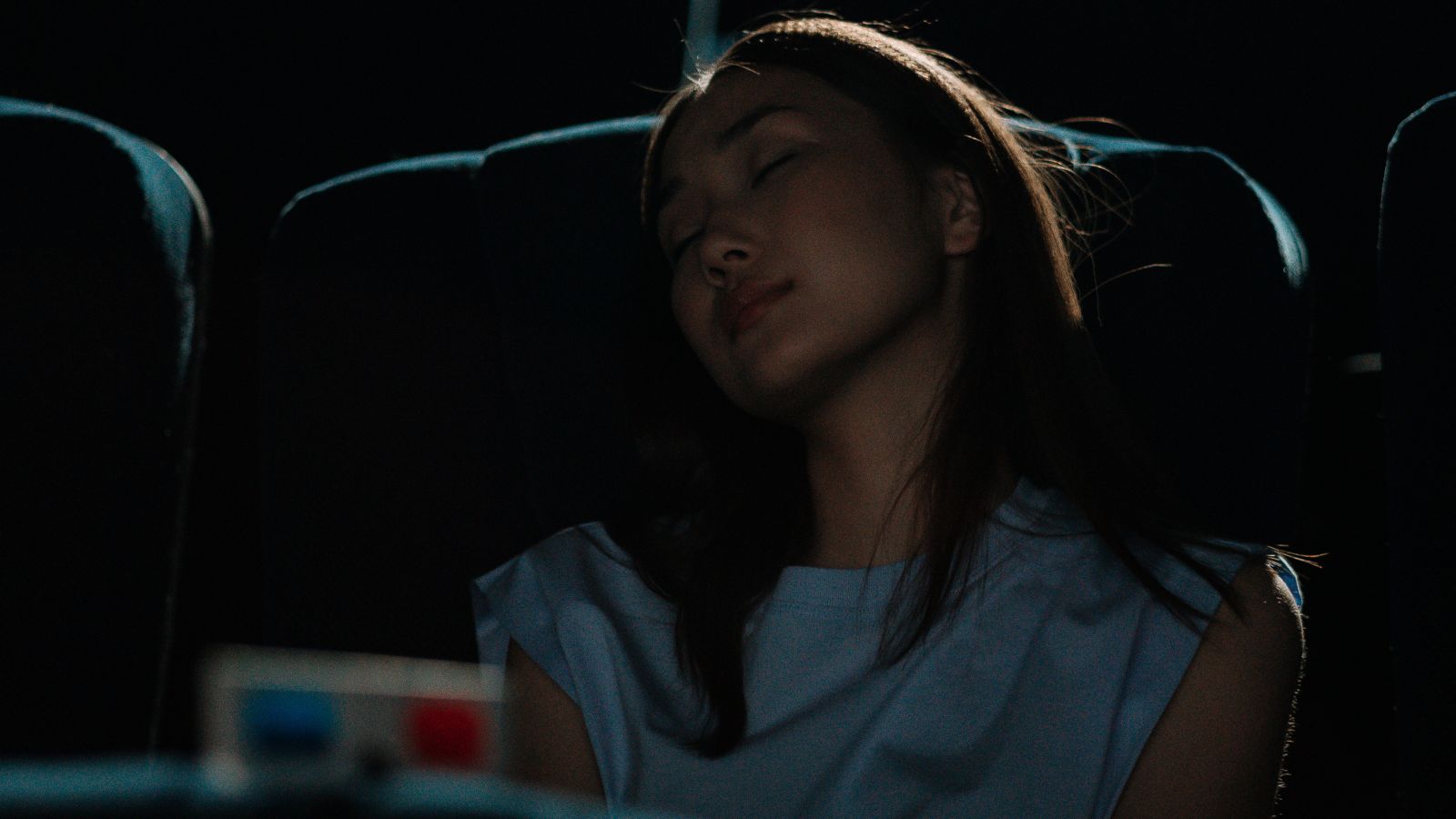
New reports reveal that Gen Z workers are increasingly using secluded spaces like cinemas and fitting rooms to escape overwhelming workplace pressure. This trend highlights a growing crisis of burnout and mental exhaustion among young professionals.
Key Takeaways
- Gen Z employees are utilizing cinemas, fitting rooms, and parks as makeshift mental health retreats.
- Nearly 40% of Gen Z office workers report crying due to workplace stress.
- Drivers include AI anxiety, rising cost of living, and toxic management styles.
- Psychologists warn that these behaviors may indicate a transition from fatigue to clinical burnout.
The modern workplace is undergoing a silent revolution of escapism. Gen Z employees are increasingly turning to unconventional, secluded spaces—such as movie theaters, subway stations, and clothing store fitting rooms—to nap, cry, or simply decompress. What might seem like a viral TikTok trend is actually a profound symptom of a deepening mental health crisis within the corporate world.
A recent report highlighted the case of Ben Sanderson, a New York worker who purchased a movie ticket solely to utilize a reclining theater seat for a 90-minute nap. This sentiment has resonated widely online, with many young professionals identifying specific urban locations, including Zara fitting rooms and public bridges, as 'safe zones' to release emotional tension during the workday.
Why This Matters
BozokMedia analysis shows that this phenomenon is not merely about individual emotional regulation but reflects a systemic failure in modern organizational culture. The shift toward 'soul-sucking' 9-to-5 roles and the rise of return-to-office mandates have created a pressure cooker environment. When the physical office becomes a source of anxiety, the search for 'temporary refuges' becomes a survival mechanism.
"The behavior itself isn't the problem; the frequency, intensity, and underlying cause are what matter." — Gurleen Baruah, Organizational Psychologist.
The drivers of this exhaustion are multifaceted. From the existential threat of Artificial Intelligence (AI) replacing entry-level roles to the relentless connectivity provided by smartphones, the boundaries between professional and personal life have effectively vanished. This constant state of 'on-call' readiness is leading to unprecedented levels of emotional detachment.
Historical Background
Historically, the concept of 'work-life balance' was a luxury discussed in later career stages. However, for Gen Z, the digital age has integrated work into every waking hour. Unlike previous generations who could leave their work at the office, today's workforce carries their stressors in their pockets via mobile devices, making true disconnection nearly impossible.
Frequently Asked Questions
1. What is the difference between stress and burnout?
Stress is often situational and can be managed with rest; burnout is a state of chronic emotional, physical, and mental exhaustion that persists even after rest.
2. How can companies help prevent this?
Implementing mental health days, fostering inclusive and non-toxic management, and respecting boundaries regarding after-hours communication are key steps.