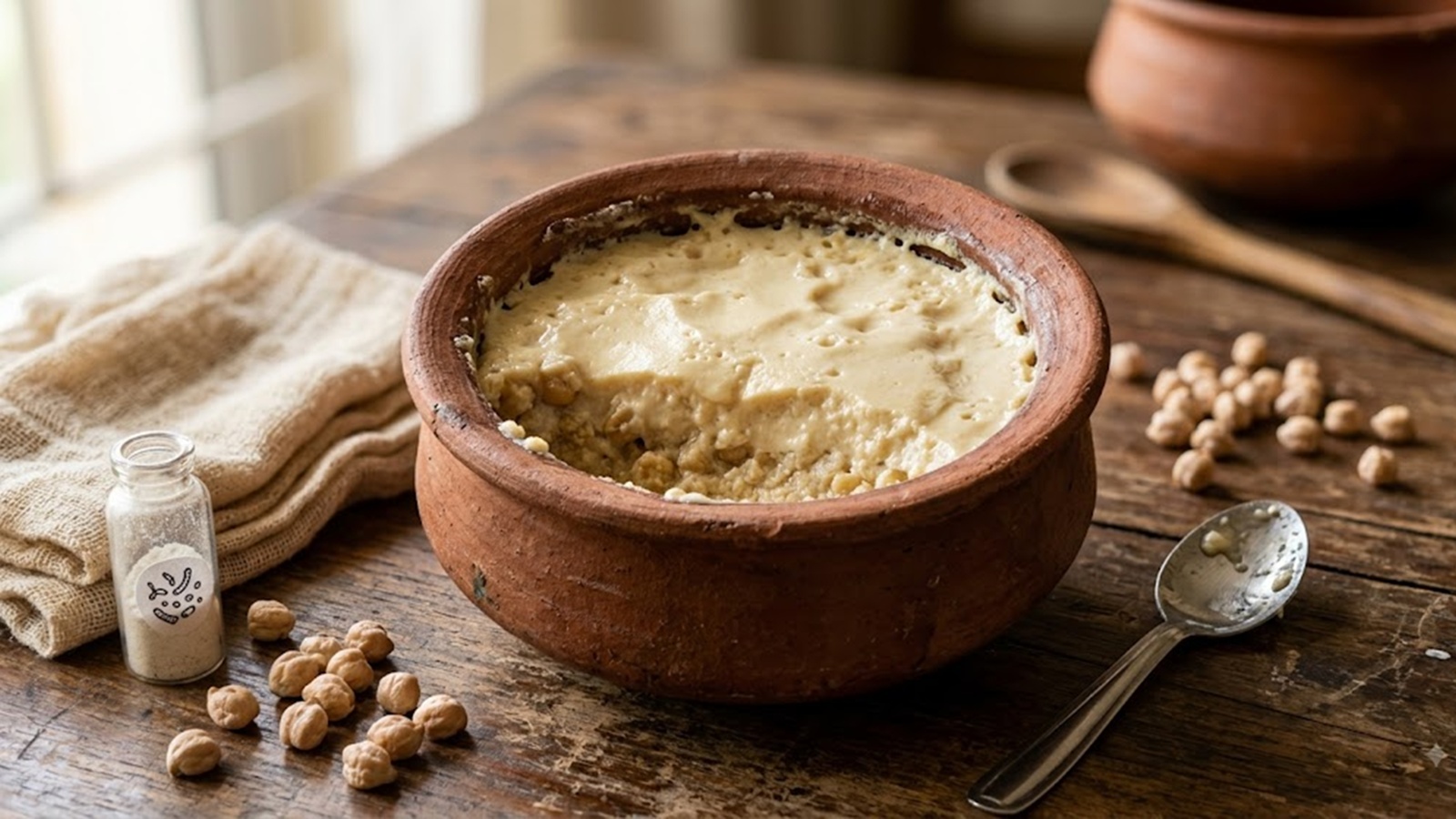
A viral culinary hack claims that chickpeas can be used as a starter for curd culture. Experts break down the science of fermentation and the nutritional differences between plant-based and dairy curd.
- Soaking chickpeas triggers natural fermentation, encouraging the growth of Lactobacillus bacteria.
- While it serves as a dairy-free alternative, it is not nutritionally equivalent to traditional dairy curd.
- Strict hygiene is mandatory to prevent contamination and spoilage during home fermentation.
Social media is frequently flooded with culinary 'hacks' that promise innovative shortcuts in the kitchen. The latest trend involves using chole (chickpeas) as a starter or culture to set curd. To verify the legitimacy of this claim, we consulted culinary and health professionals.
Chef Swapnil Mule, Director of Culinary at Bawa Group of Hotels, confirmed that a chickpea-based curd starter is possible. He explained that soaking chickpeas overnight initiates a fermentation process, converting them into synbiotics. This environment allows naturally occurring fibers to stimulate the growth of beneficial bacteria, specifically Lactobacillus.
The Process of Creating the Starter
The method involves soaking chickpeas overnight, then grinding them into a paste with a small amount of water. According to Dt Amreen Sheikh, Chief Dietitian at KIMS Hospitals, Thane, this mixture must be kept in a clean container at room temperature. Once it develops a mildly sour smell and taste, it can be used to inoculate another batch.
Why This Matters
BozokMedia analysis shows that while this hack provides a viable alternative for those with lactose intolerance or those following a vegan lifestyle, it lacks the standardized microbial profile of commercial yogurt. The unpredictability of wild fermentation means that the resulting probiotic strength can vary significantly between batches.
"Chickpea fermentation does not automatically make it equivalent to dairy curd regarding calcium, protein quality, or specific probiotic content."
From a nutritional standpoint, chickpeas offer plant protein, fiber, iron, and folate. Fermentation further enhances these benefits by reducing anti-nutritional factors found in legumes, making them easier to digest.
| Feature | Dairy Curd | Chickpea-based Culture |
|---|---|---|
| Primary Nutrients | Calcium, Animal Protein | Fiber, Plant Protein, Iron |
| Bacterial Source | Established Lactic Acid Bacteria | Naturally Occurring Microorganisms |
| Dietary Fit | Standard Dairy Diet | Dairy-Free / Vegan Diet |
Frequently Asked Questions
Q1: Is home-made chickpea culture as safe as commercial probiotics?
A: Not necessarily. Commercial products use identified cultures, whereas home-made versions are less predictable and carry a higher risk of contamination.
Q2: How do I know if the mixture has gone bad?
A: If you notice an unpleasant smell, unusual color, or visible mold, the mixture should be discarded immediately.