The essence of pilgrimage is shifting from asceticism to high-end comfort. Explore how religious tourism is transforming into a premium lifestyle experience.
- Pilgrimage is evolving from a journey of penance to a high-end lifestyle experience.
- Demand for luxury trains, five-star accommodations, and VIP services is skyrocketing.
- The intersection of faith and luxury is reshaping religious tourism economies.
For centuries, pilgrimage in India and across the world was synonymous with sacrifice, simplicity, and physical endurance. Devotees often braved harsh terrains and lived with minimal comforts to seek divine blessings. However, a significant paradigm shift is occurring: pilgrimage is increasingly becoming a luxury experience.
The Commercialization of Sacred Spaces
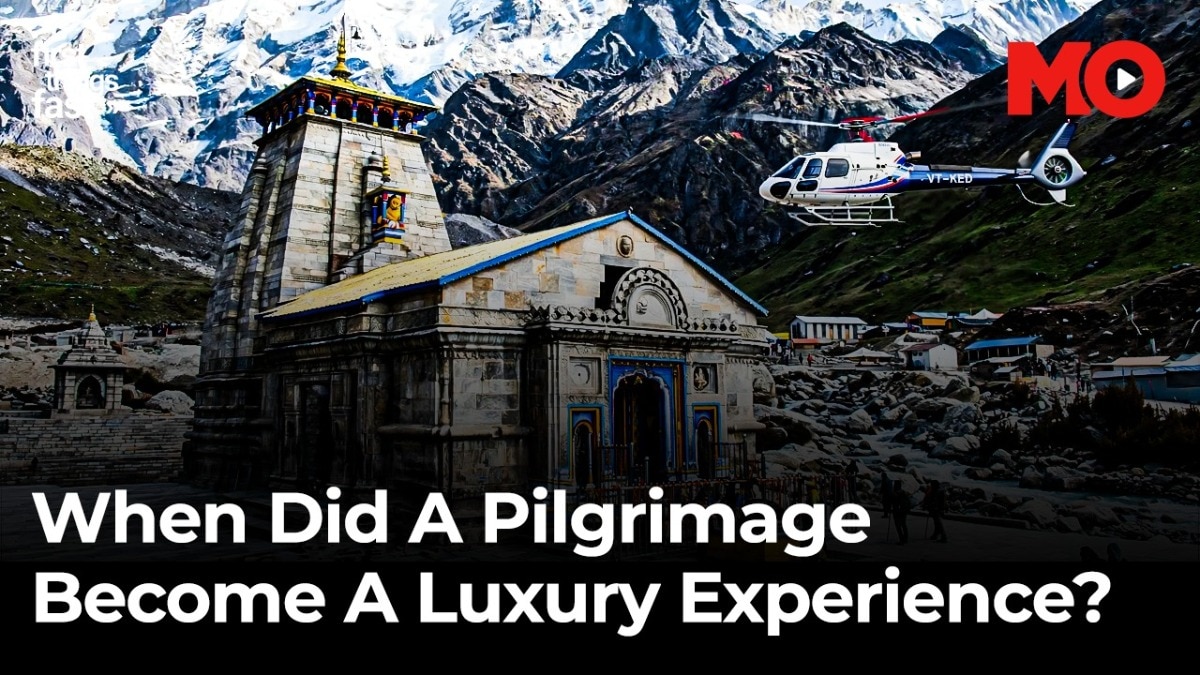
As religious tourism expands, the infrastructure surrounding sacred sites is undergoing a massive transformation. In hubs like Varanasi, Ayodhya, and Kedarnath, the traditional dharamshalas are being joined by international hotel chains and luxury resorts. Devotees are no longer just seeking darshan; they are seeking comfort, exclusivity, and premium hospitality.
Why This Matters
BozokMedia analysis shows that while this 'luxury model' of religious tourism injects massive capital into local economies and improves infrastructure, it creates a socio-spiritual divide. The accessibility of sacred sites may become increasingly gated by economic status.
The fusion of spirituality and luxury is a double-edged sword; it drives economic growth but risks diluting the core essence of ascetic devotion.
This trend is fueled by rising disposable incomes and the 'Instagrammability' of travel. Modern pilgrims often desire experiences that are not only spiritually fulfilling but also visually prestigious, leading to a surge in demand for high-end pilgrimage packages.
Historical Background
Historically, a pilgrimage was considered a form of tapasya (penance). The hardships faced during the journey were seen as essential to purifying the soul. The physical struggle was as much a part of the ritual as the prayer itself. Today, technology and wealth have eliminated these obstacles, making the journey seamless but arguably less transformative in a traditional sense.
Frequently Asked Questions
1. Does luxury diminish the spiritual value of a journey?
While comfort makes travel easier, the loss of austerity may change the meditative quality of the experience.
2. How does luxury pilgrimage affect local economies?
It significantly boosts local employment, hospitality sectors, and regional infrastructure development.