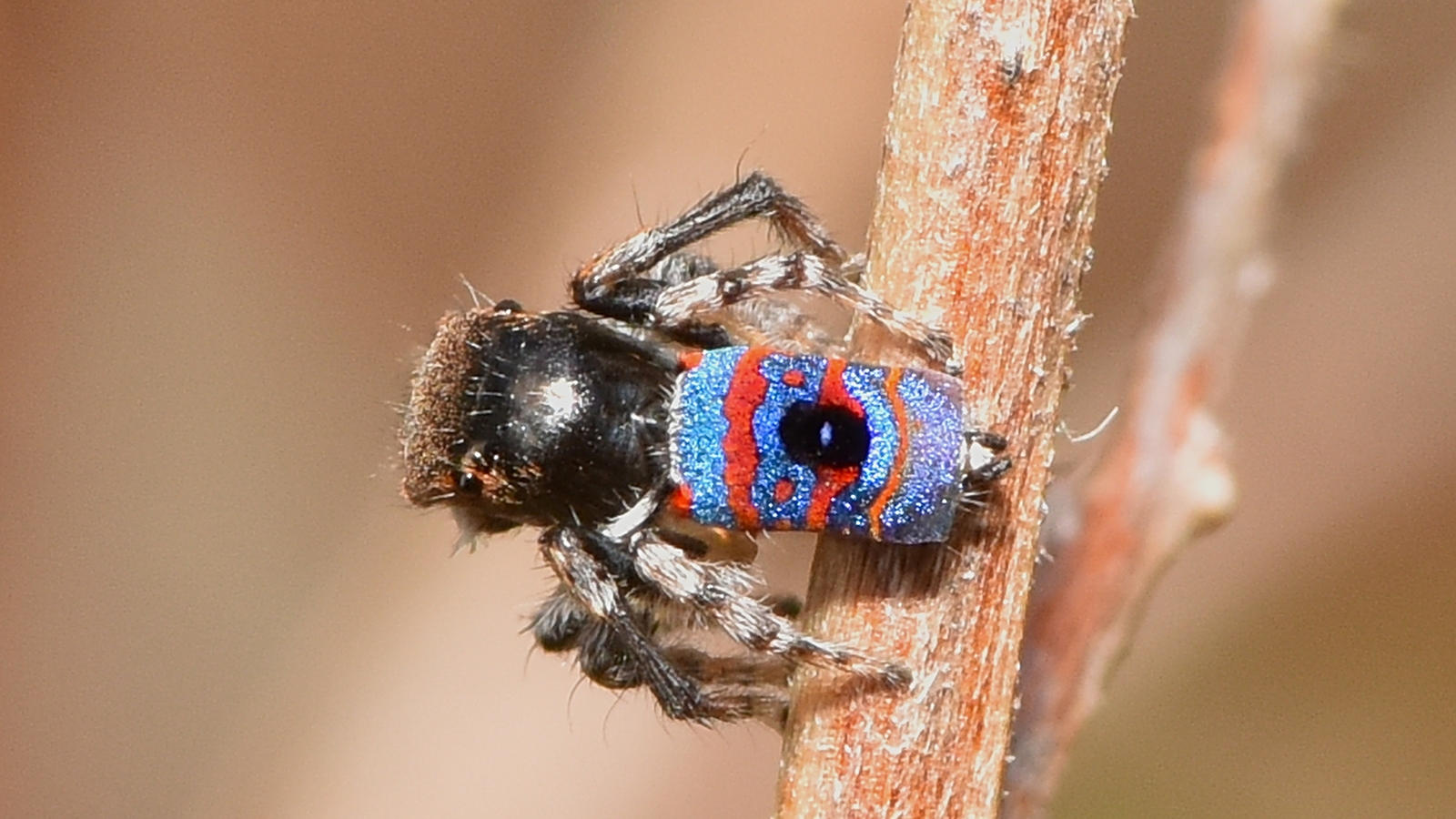
From the precision of honeybee navigation to the rhythmic grooves of cockatoos, discover how dance serves as a vital tool for survival and romance in the animal kingdom.
- Honeybees use the 'Waggle Dance' to communicate food locations.
- Cockatoos demonstrate high intelligence by syncing movements to rhythm.
- Animal dance is a multi-purpose tool for communication, courtship, and survival.
When we think of dancing, our minds often drift to crowded clubs, professional studios, or viral TikTok trends. However, in the wild, dance is far more than a rhythmic pastime; it is a sophisticated language of communication, instinct, and survival.
The Rhythms of Survival and Romance
The world of insects offers one of the most precise examples of biological choreography. The Honeybee does not just fly aimlessly; she performs a highly technical 'Waggle Dance'. By moving in a figure-eight pattern, a worker bee provides her hive-mates with precise data regarding the angle of the sun and the distance to a nectar source. It is, quite literally, nature's most efficient GPS system.
Why This Matters
BozokMedia analysis shows that these rhythmic displays are not mere coincidences but are deeply ingrained evolutionary traits. These movements facilitate complex social structures, allowing species to thrive through collective intelligence and coordinated action.
In the predator-prey dynamic, the Stoat performs what is known as the 'dance of death.' By leaping and spinning around its prey, the stoat engages in a bizarre, spontaneous display that experts believe is an instinctual hunting mechanism designed to disorient the target.
Biological dance serves as a critical bridge between individual instinct and species-wide survival strategies.
The avian world takes performance to an entirely new level. The Birds of Paradise in Papua New Guinea engage in elaborate, high-stakes choreography. Males clear 'dance floors' and use intricate wing displays and head tilts to win over females. If the routine fails, they simply tweak the steps and try again—a true testament to avian persistence.
Comparison of Animal Dance Styles
| Animal | Dance Type | Primary Purpose |
|---|---|---|
| Honeybee | Waggle Dance | Navigation/Food Location |
| Cockatoo | Rhythmic Bobbing | Social Bonding/Pleasure |
| Peacock Spider | Vibrational Display | Courtship |
| Manakin | Moonwalk | Mating Ritual |
Perhaps most surprising is the Cockatoo. Unlike many animals that move purely on instinct, certain cockatoos, like the famous Snowball, have shown the ability to synchronize their movements to the beat of music. This ability to perceive and respond to rhythm is a hallmark of advanced cognitive function.
Frequently Asked Questions
1. Do animals dance for fun?
While most dances have survival purposes like mating or feeding, some species, like cockatoos, appear to dance simply for social enjoyment.
2. What is the purpose of the peacock spider's dance?
The male peacock spider uses colorful, rhythmic vibrations to attract a female mate.