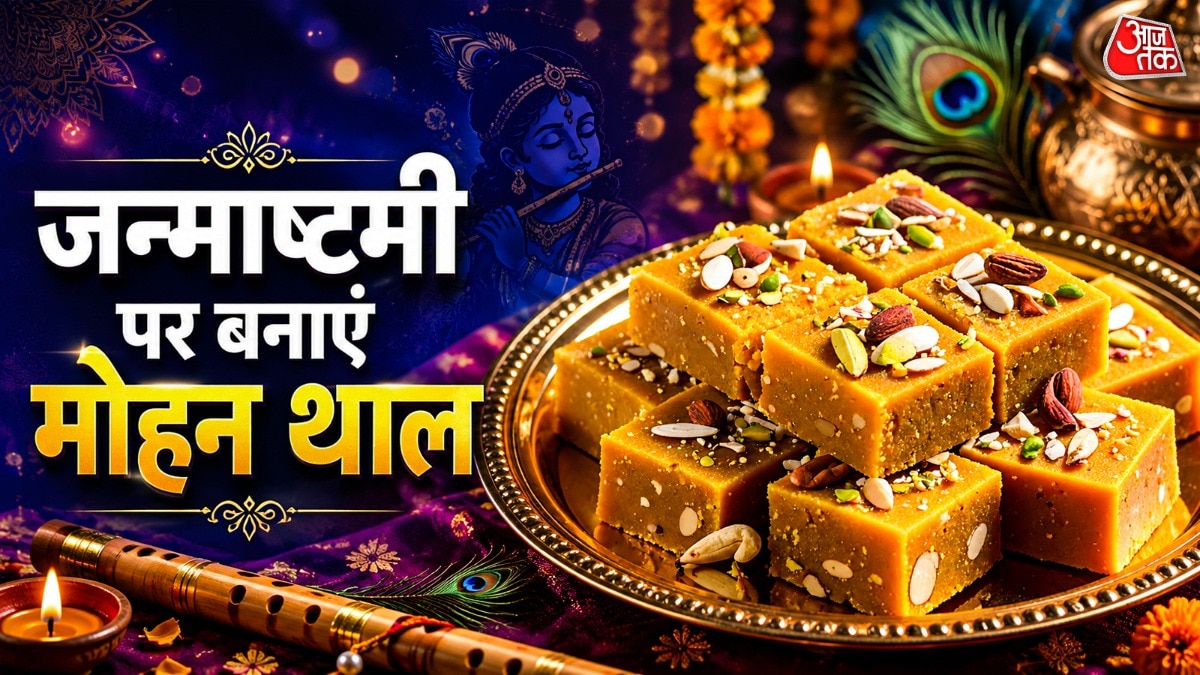
Celebrate Janmashtami by skipping store‑bought sweets and preparing a pure, grain‑y Mohanthal at home using just besan, ghee and saffron. This step‑by‑step guide ensures a flawless offering for baby Krishna.
- Use only besan, desi ghee and saffron for a pure Mohanthal
- Prepare grain‑y besan base in 12‑15 minutes
- Three‑step process for a perfect bhog offering
Introduction
Janmashtami 2026 sees millions across India preparing special bhog for Lord Krishna. Instead of buying commercial sweets, making Mohanthal at home guarantees purity, tradition, and a personal touch that resonates with the festive spirit.
Historical Background
Originating in the Braj region of Madhya Pradesh, Mohanthal has long been offered alongside butter‑milk as a divine delicacy. Over centuries it spread to Rajasthan and North India, but the core ingredients—besan, ghee and saffron—have remained unchanged, preserving its authentic flavor.
Ingredients
Besan (gram flour): 2 cups
Desi ghee: 3/4 cup for roasting + 3 tbsp for flavoring
Milk: 3 tbsp for grain‑y texture + 1/4 cup
Sugar: 1 cup
Water: 1/2 cup
Cardamom powder: ½ tsp
Saffron: 8‑10 strands (soaked in warm milk)
Finely chopped nuts: almonds, pistachios for garnish
Method
1. In a large bowl combine besan, 3 tbsp melted ghee and 3 tbsp warm milk. Rub between palms until the mixture becomes grain‑y.
2. Cover and rest for 10‑15 minutes, then sieve through a coarse strainer to ensure uniform granules.
3. Heat 3/4 cup ghee in a heavy‑bottomed pan, add the grain‑y besan and roast on low flame, stirring continuously for 12‑15 minutes until golden‑brown and fragrant.
4. Gradually drizzle 1/4 cup milk, continue roasting for 2 more minutes, then switch off the heat.
5. In a separate saucepan, bring 1 cup sugar and 1/2 cup water to a boil. Add saffron‑infused milk and cardamom powder, simmer until a single‑thread syrup forms.
6. Pour the hot syrup into the roasted besan, stir on low heat for 1‑2 minutes until the mixture leaves the pan’s sides.
7. Grease a tray with ghee, spread the mixture evenly, sprinkle chopped nuts, press lightly, and let set for 1‑2 hours before cutting into squares or diamond shapes.
Why This Matters
BozokMedia analysis shows that home‑cooked festive sweets like Mohanthal not only preserve culinary heritage but also reduce reliance on commercially processed foods, which often contain hidden preservatives. This shift supports healthier celebrations and strengthens community bonds during Janmashtami.
"A Mohanthal made with pure ghee and fresh saffron elevates the spiritual energy of Kanha’s bhog," says renowned food scholar Dr. Richa Verma.
Frequently Asked Questions
Q1: Can I substitute sugar with jaggery or honey?
A: Yes, but the texture and colour will change slightly, giving a richer, caramel note.
Q2: How long can Mohanthal be stored?
A: When kept in an airtight container, it stays fresh for 5‑7 days at room temperature.