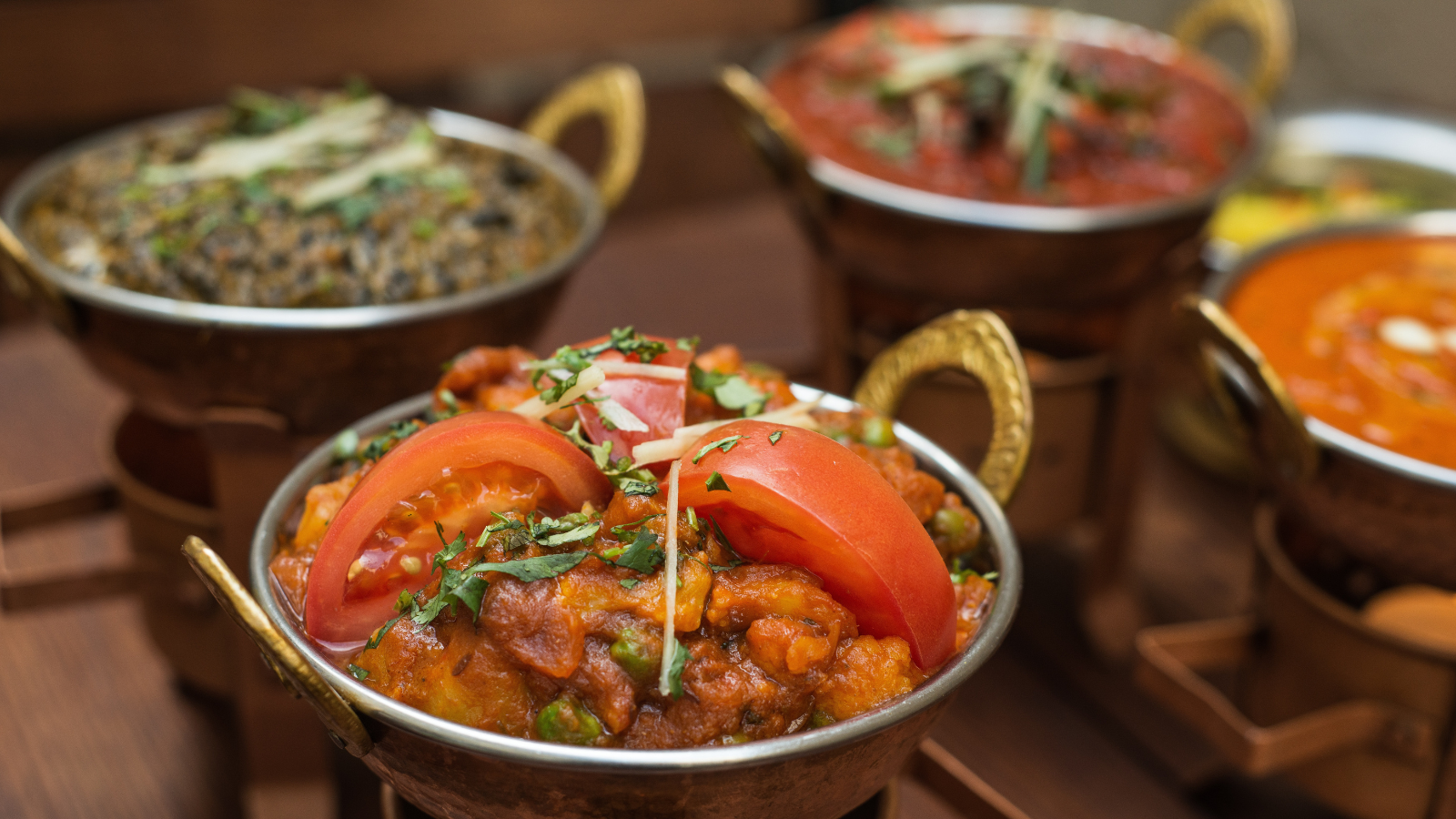
Ever wondered why home-cooked curry lacks that professional punch? Expert chefs share the critical techniques of masala layering and slow-browning to elevate your home cooking.
- Patience in browning onions and cooking masala until oil separates is non-negotiable.
- Layering spices (whole $ ightarrow$ powdered $ ightarrow$ fresh) creates a complex flavor profile.
- Always use hot water or stock to maintain temperature and consistency.
The disparity between a home-cooked curry and a restaurant masterpiece isn't usually due to a 'secret ingredient,' but rather a combination of patience, specific techniques, and the strategic layering of flavors. Leading culinary experts, including Chef Bharat Sharma, Chef Sunil Dasila, and Chef Prashant Kumar Singh, highlight that the magic lies in the details of the process.
The Foundation: Fat and Tempering
A rich gravy begins with the correct amount of fat. According to Chef Bharat Sharma of Sufiaana by Cherish, heating oil or ghee properly is essential to release the fat-soluble aromas of spices. This ensures the flavors are distributed evenly, giving the gravy a luxurious, velvety texture. The process starts with tempering whole spices like cumin, bay leaves, and cinnamon in hot fat to build an aromatic base.
The Art of the Masala
The most significant difference is the patience applied to the masala. Chef Prashant Kumar Singh emphasizes that onions, ginger, and garlic must be cooked until they release their natural oils. Adding liquid too early is a common home-cooking mistake that results in a 'raw' or flat taste. Chef Sunil advises sautéing onions until they are deeply caramelized, providing the savory, sweet foundation typical of high-end eateries.
BozokMedia analysis shows that the professional 'restaurant taste' is largely a result of the Maillard reaction—the browning of sugars and proteins. While home cooks often rush to the boiling stage, professional chefs spend more time in the frying/sautéing stage, which creates the deep, umami-rich flavor profiles that define commercial Indian cuisine.
"Restaurants don't rely on a single spice for flavor; they build it in layers—whole spices for aroma, powdered spices for depth, and fresh herbs for the finishing touch."
Controlling the liquid is the final step in achieving professionalism. Chef Bharat suggests adding hot water or stock gradually. Cold water shocks the masala and halts the cooking process, diluting the flavor. To achieve that final professional sheen, chefs recommend finishing the dish with a final tadka, a swirl of fresh cream, or a touch of pure ghee just before serving.
| Feature | Typical Home Method | Professional Restaurant Method |
|---|---|---|
| Onion Cooking | Translucent/Light Pink | Deeply Caramelized/Browned |
| Liquid Choice | Cold Tap Water | Hot Water or Rich Stock |
| Spice Application | All-at-once | Layered (Whole $ ightarrow$ Powder $ ightarrow$ Fresh) |
Frequently Asked Questions
Q1: Do I need to use excessive oil to get the restaurant taste?
A: Not necessarily, but you need enough fat to ensure the spices fry properly without burning, which is key to the emulsion of the gravy.
Q2: Why should I use hot water instead of cold water?
A: Hot water maintains the temperature of the pan, allowing the fats and spices to continue melding together without breaking the emulsion.
