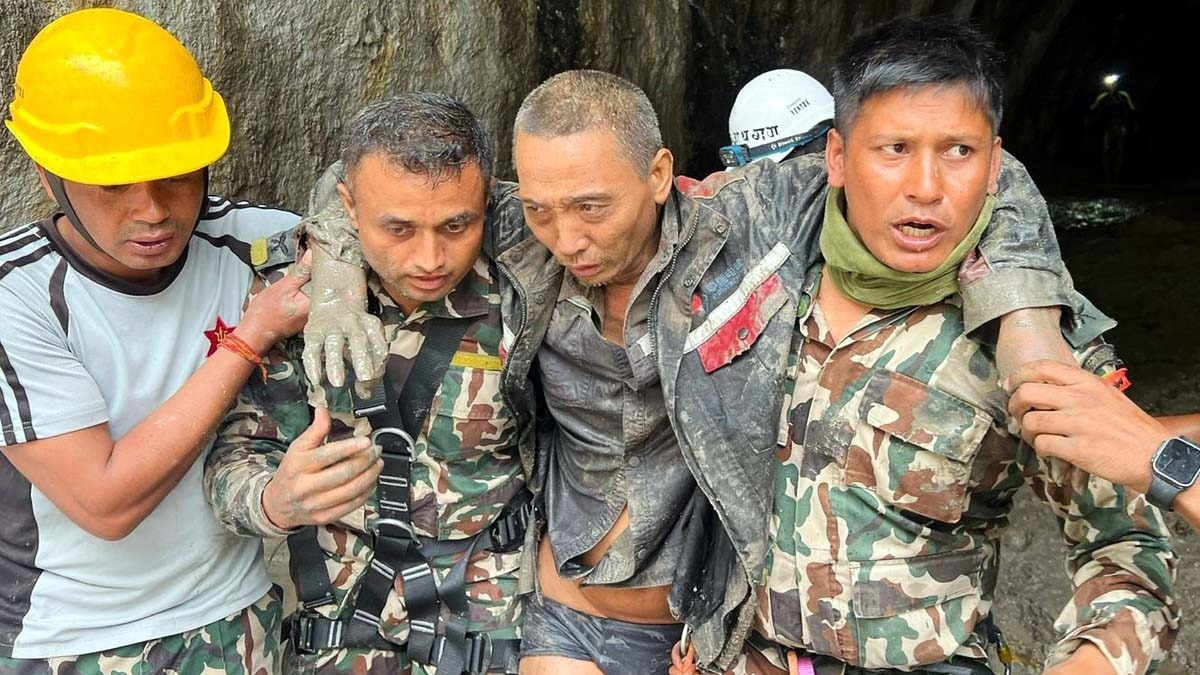
Following the devastating Bhotekoshi flash floods, Nepal has launched the 'Nepal Calling' campaign to reassure international travelers that major trekking routes and tourist hubs remain fully operational.
- 'Nepal Calling' campaign launched to counter tourism decline after Bhotekoshi floods.
- Major destinations like Pokhara, Annapurna, and Kathmandu remain safe and open.
- Tourism contributes 6.7% to Nepal's GDP and supports over 1 million jobs.
- The government is considering visa incentives and hotel discounts to boost arrivals.
In a strategic move to protect its vital autumn tourism season, the Government of Nepal has officially launched the 'Nepal Calling' campaign. This initiative follows the recent Bhotekoshi flash floods, which triggered fears among international travelers regarding the safety of the country's trekking infrastructure. Tourism Minister Khadak Raj Poudel is leading the charge, using social media to communicate that the heart of Nepal's tourism—its Himalayan trails—remains open and ready for visitors.
In a direct appeal to the global community, Minister Poudel stated, "Nepal is still open... Our Himalayan trekking routes are still waiting for you." He emphasized that visiting Nepal during this recovery phase is more than just a holiday; it is a significant contribution to a nation rebuilding after a natural disaster. With tourism accounting for approximately 6.7% of Nepal's GDP and providing livelihoods for over a million people, the stakes for this campaign could not be higher.
Why This Matters
BozokMedia analysis shows that the timing of the floods is critical. The disaster occurred just before the peak September-November season, which typically accounts for 40% of Nepal's annual foreign tourist arrivals. With booking cancellations reportedly rising by up to 20% in certain districts like Thamel, the government is racing against time to prevent a long-term economic downturn that could follow the post-pandemic recovery phase.
The flood damage was geographically localized to northern regions; major hubs like Kathmandu, Pokhara, and Chitwan are functioning normally.
The floods were triggered by an ice-rock avalanche near the Nepal-Tibet border, causing the Bhotekoshi River to swell and damage roads, bridges, and hydropower projects in northern sectors. However, Foreign Minister Shishir Khanal has been proactive in briefing diplomatic missions, ensuring that the message is clear: the disruption is limited. Key destinations including Lumbini, Janakpur, Annapurna, and Sagarmatha remain unaffected and operational.
To further bolster confidence, the Nepal Tourism Board is exploring a comprehensive revival package. This may include free visas, significant discounts on hotel stays, and reduced airfares. The goal is to counter the negative visual impact of flood imagery on social media and replace it with a narrative of resilience and accessibility.
| Feature | Status Post-Flood |
|---|---|
| Major Trekking Routes | Open & Safe |
| Kathmandu Valley | Fully Operational |
| Pokhara & Chitwan | Fully Operational |
| Northern Border Areas | Impacted/Restricted |
Frequently Asked Questions
1. Are the trekking routes in the Annapurna region safe?
Yes, according to official government statements, the major trekking circuits remain safe and open for tourists.
2. How can I get discounts for visiting Nepal now?
The government is currently discussing incentive packages including hotel discounts and potential visa concessions to encourage travel.