Recent reports of survivors emerging from debris in Nepal after several days have sparked scientific curiosity. Discover how the human body fights to stay alive without sustenance.
- The human body utilizes stored glycogen and fat to survive periods of starvation.
- Dehydration is significantly more lethal and faster-acting than hunger.
- The presence of 'air pockets' within debris is critical for long-term survival.
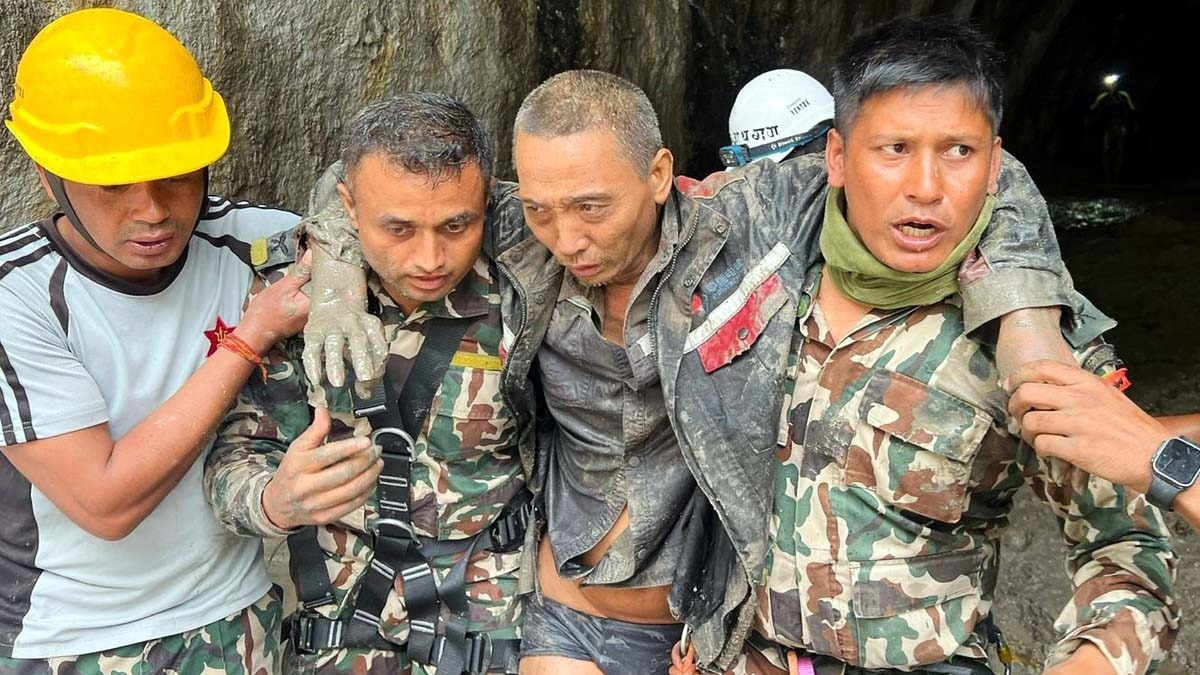
The recent floods and landslides in Nepal have brought forth stories that seem to defy the laws of biology. The survival of individuals like 64-year-old Chandrika Kumari Shrestha, who was rescued after 11 days trapped under her collapsed home, has raised profound questions about human endurance. While it appears miraculous, science explains it through the body's complex survival mechanisms.
The Body's Energy Management: Fighting Hunger
When food intake ceases, the body does not immediately shut down. According to medical data from NCBI, the body first taps into glycogen stored in the liver for quick energy. Once these reserves are depleted—usually within 24 hours—the body shifts to metabolizing stored body fat. In extreme, prolonged cases, the body may even begin breaking down muscle protein to sustain vital functions, leading to severe weakness.
Why This Matters
BozokMedia analysis shows that understanding the 'survival window' is crucial for search and rescue operations. Assuming a victim is deceased simply because they have been trapped for several days without food is scientifically inaccurate, as the body can enter a state of metabolic conservation.
For a person trapped under rubble, it is not just the rescue team fighting for them, but their own body fighting an internal battle for survival.
Dehydration: The True Silent Killer
While hunger can be endured for longer periods, water deprivation is far more catastrophic. The WHO indicates that even a 5% loss in body water can lead to headaches and diminished cognitive function, while a 10% loss can be fatal. Dehydration causes blood volume to drop, forcing the heart to work harder and eventually leading to organ failure.
| Factor | Physiological Impact | Survival Window |
|---|---|---|
| Lack of Food | Utilization of glycogen and fat stores | Weeks (depending on body fat) |
| Lack of Water | Rapid dehydration and organ failure | Days (highly critical) |
| Lack of Oxygen | Immediate brain and heart failure | Minutes (extremely short) |
The Role of Air Pockets in Survival
In the Nepal rescue operations, many survivors were found within small 'air pockets'—void spaces within the debris. These pockets are vital because they provide a localized source of oxygen and help prevent the rapid loss of body heat. By remaining still and minimizing movement, victims can significantly reduce their metabolic rate, thereby conserving precious energy and moisture.
Frequently Asked Questions
1. Why is it dangerous to assume someone trapped is dead?
Because the body can enter a low-energy state and survive as long as there is air and minimal moisture.
2. How does the body use fat for survival?
Once glucose is gone, the body undergoes ketosis, burning fat stores to provide fuel for the brain and organs.