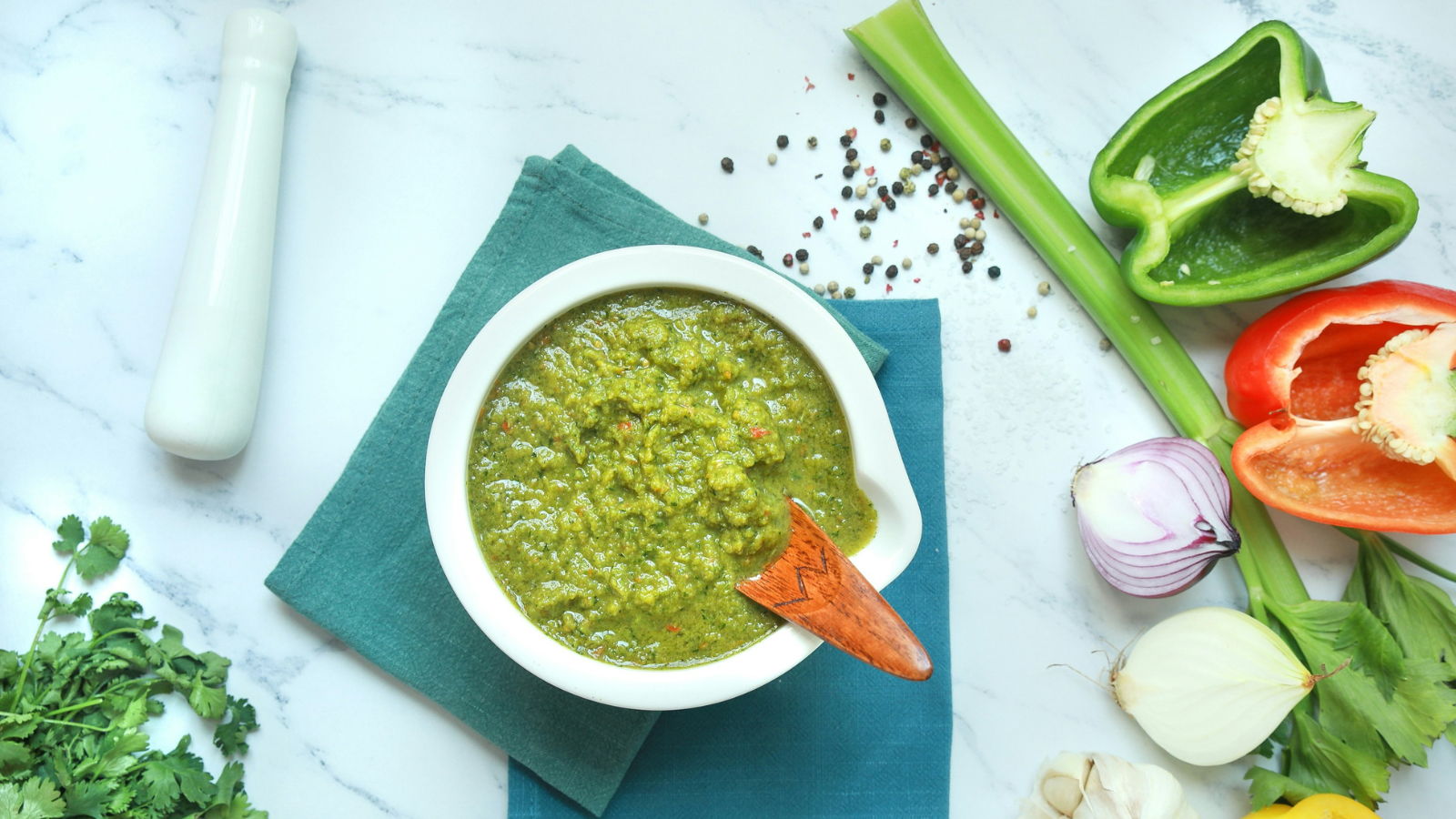
Ever wondered why restaurant chutney tastes superior? Top chefs reveal the critical mistakes in ingredient ratios and grinding techniques that ruin your homemade dip.
- Maintain a 3:1 ratio of coriander to mint.
- Use ice-cold water to prevent oxidation and color loss.
- Add a pinch of sugar to balance acidity and bitterness.
- Avoid over-blending to prevent friction heat.
There is a distinct, vibrant magic in restaurant-style green chutney that homemade versions often lack. Whether it is paired with sizzling kebabs or crispy samosas, that perfect balance of tang, spice, and freshness is hard to replicate. If your chutney consistently falls flat, you aren't alone—and it isn't just about the recipe.
Common Mistakes in Homemade Chutney
Chef Shailesh Acharya, Corporate Chef at The House of Makeba, identifies the primary culprit as 'tired herbs.' Many home cooks use wilted coriander or mint and strip away the stems, which actually contain significant flavor. Furthermore, the heat generated during the blending process often turns the bright green chutney into a dull, brownish paste.
Why This Matters
BozokMedia analysis shows that culinary success lies in the nuances of temperature control and ingredient chemistry. Understanding how friction heat affects volatile oils in herbs can elevate a home cook to a professional level of excellence.
The secret lies in moisture control and the precise ratio of herbs to ensure a balanced flavor profile.
The Professional Method
Vibhanshu Mishra, CEO of Banaraswala, emphasizes that the coriander-to-mint ratio is vital. To prevent bitterness and maintain that striking emerald color, chefs follow a specific protocol:
| Feature | Home Method | Chef's Method |
|---|---|---|
| Herb Ratio | Equal parts | 3 parts Coriander : 1 part Mint |
| Liquid Used | Room temp water | Ice-cold water or ice cubes |
| Flavor Balance | Just salt/chilli | Salt, Sugar, Lemon, & Cumin |
Step-by-Step Guide: Start with fresh, washed, and dried herbs. Blend the coriander, mint, chilies, and ginger using ice-cold water bit by bit. This prevents the 'friction heat' mentioned by experts. Finally, add lemon juice and a pinch of sugar at the very end to brighten the acidity and round out the flavors.
Historical Background of Indian Chutneys
Chutneys have been a staple of the Indian subcontinent for centuries, originally used not just for flavor but for their medicinal properties. The use of digestive aids like cumin, ginger, and mint has been documented in ancient culinary traditions, evolving from simple herb pastes to the complex dips we enjoy globally today.
Frequently Asked Questions
1. Why does my chutney turn dark?
Over-blending causes heat buildup, which oxidizes the herbs and changes the color.
2. Can I use dried herbs instead?
No, for restaurant-style chutney, fresh, chilled herbs are essential for the volatile aromatic oils.