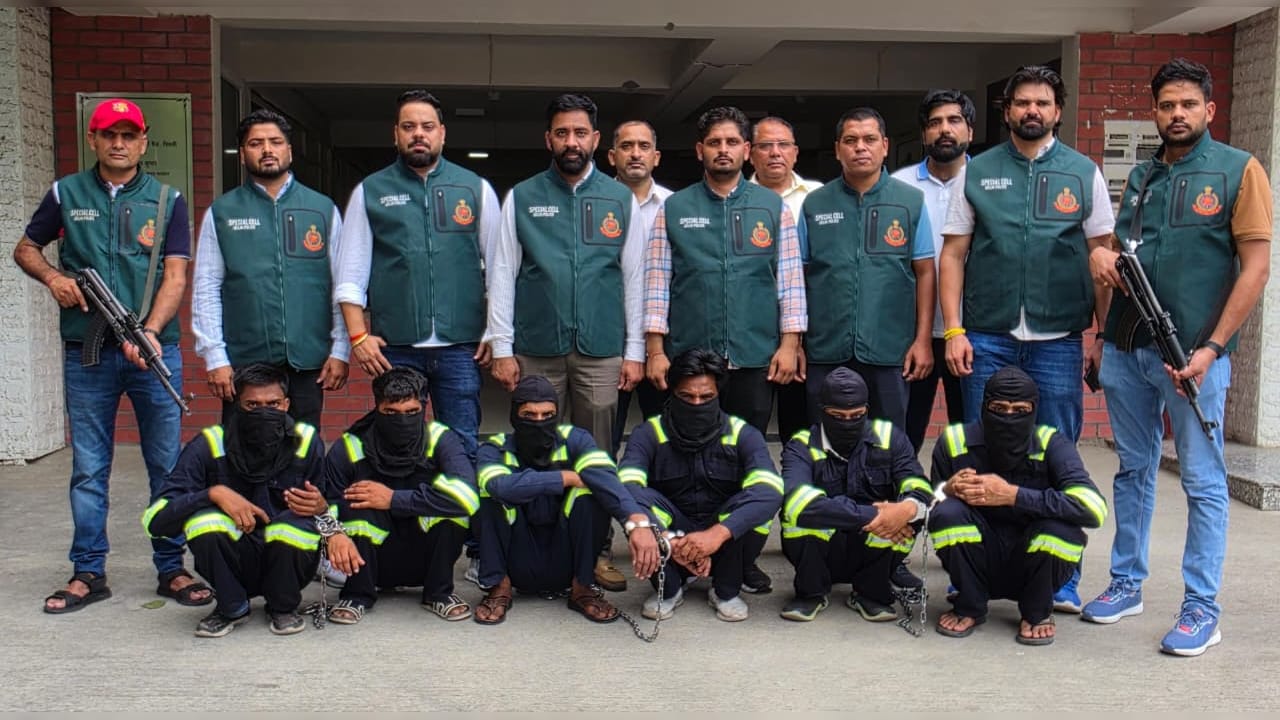
Delhi Police uncovered a terror conspiracy directed by ISI handler Shahzad Bhatti from Pakistan, leading to the arrest of six suspects. The planned targets included New Police Lines, Anand Vihar bus terminal, railway stations and several crowded markets across the capital.
The New Police Lines in Civil Lines, Anand Vihar Bus Terminal and the railway station, along with a string of densely populated markets, were on the terror cell's hit list, according to Delhi Police. The plot was orchestrated under the instructions of Shahzad Bhatti, a senior ISI handler based in Pakistan, whose communications were traced through sophisticated electronic surveillance.
Arrests and Evidence
During a coordinated night‑time operation, Delhi police teams swept through four strategic locations, detaining six individuals – two armed operatives, two bomb‑making specialists, and two local facilitators. Forensic analysis of their mobile devices revealed encrypted messages from Bhatti containing detailed maps, logistical blueprints and timing instructions for the attacks.
Pakistani Intelligence Nexus
Shahzad Bhatti, operating from a covert ISI hub near Lahore, has been linked to a series of cross‑border terror activities over the past two decades, including the 2008 Mumbai attacks, the 2016 Varanasi train bombing, and the 2023 Kashmir insurgency flare‑up. This time his objective was to cripple Delhi’s economic pulse by striking high‑traffic commercial zones.
Learning from Past Incidents
Delhi’s security apparatus has previously foiled several high‑profile threats – the 2005 Central Landmark blast, the 2010 Kabuliya market shooting, and the 2019 pre‑bombing warning at Ambedkar Stadium. Each incident reinforced the need for rapid intelligence sharing and proactive counter‑terror measures. The recent bust demonstrates that a swift, data‑driven response can neutralize even well‑coordinated plots before they materialise.
Future Security Posture
Police officials announced the rollout of cutting‑edge tools such as AI‑powered signal intelligence, city‑wide CCTV integration, and real‑time mobile tracking. In parallel, the Ministry of External Affairs is intensifying diplomatic pressure on Pakistan to dismantle cross‑border terror networks. Security analysts argue that curbing such transnational threats hinges on a blend of domestic vigilance and sustained international cooperation.
Authorities urged citizens to stay alert, report any suspicious activity or unattended objects, and contribute to a culture of safety. This episode underscores that the specter of cross‑border terrorism remains a pressing challenge, demanding both tactical readiness and strategic diplomacy to safeguard democratic life.